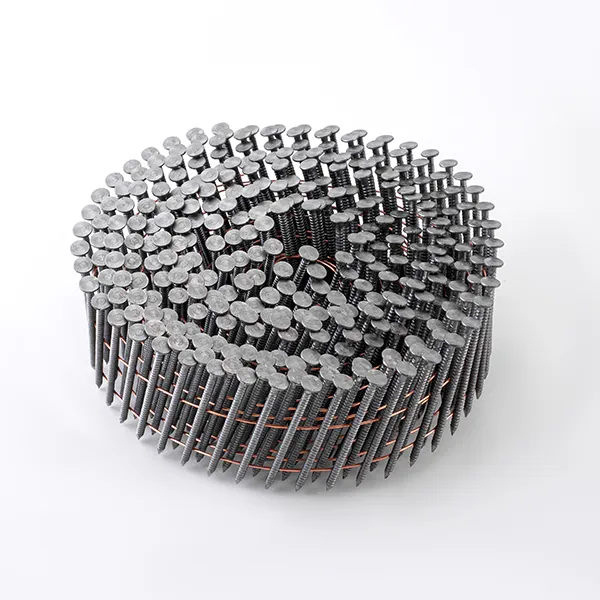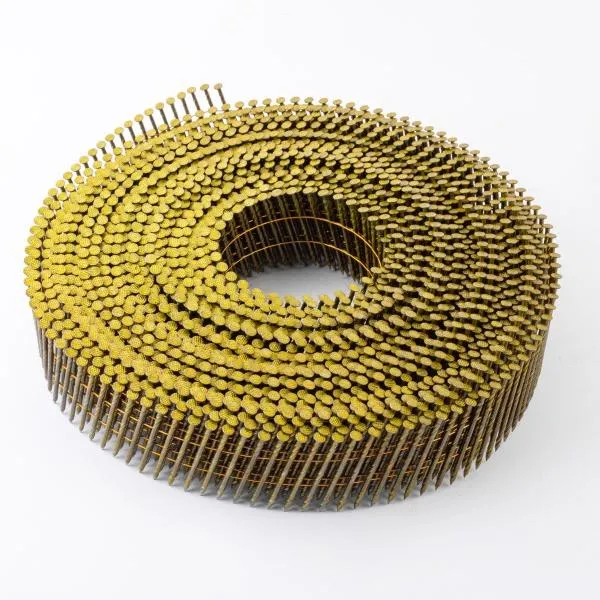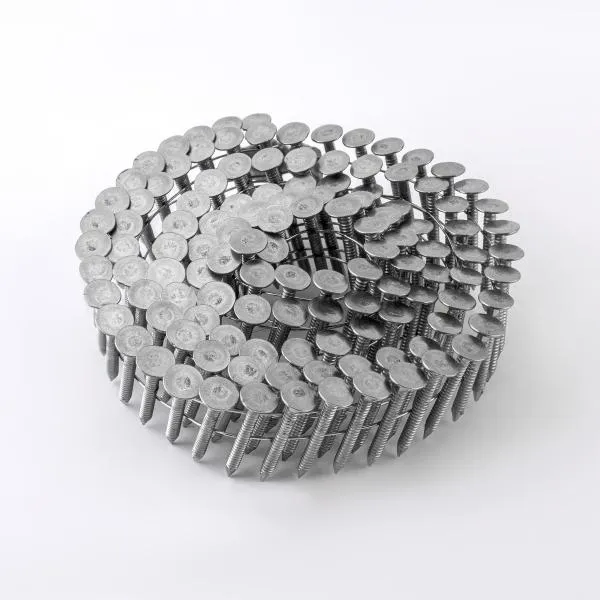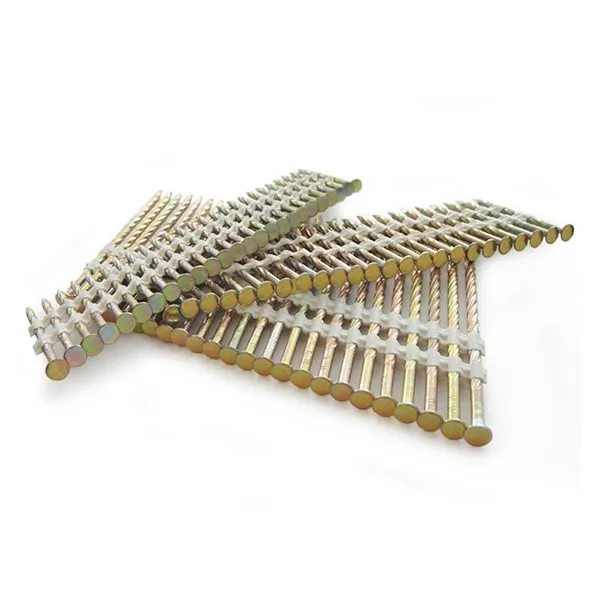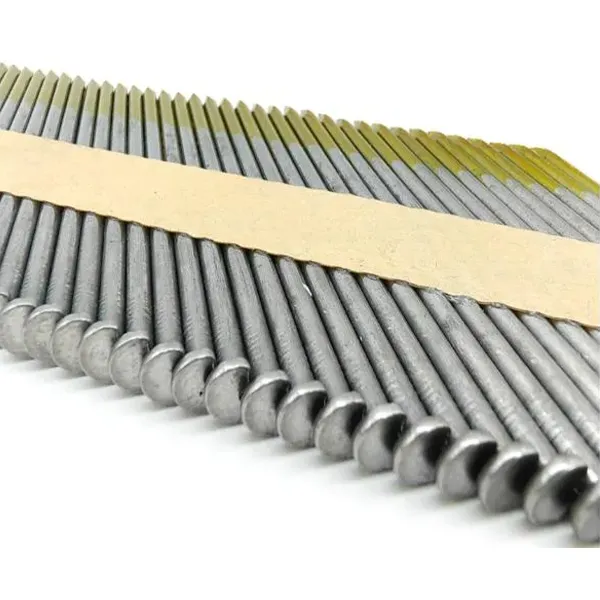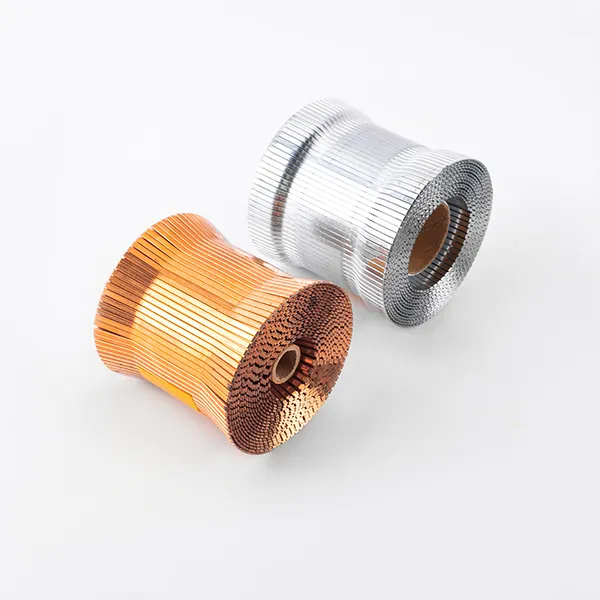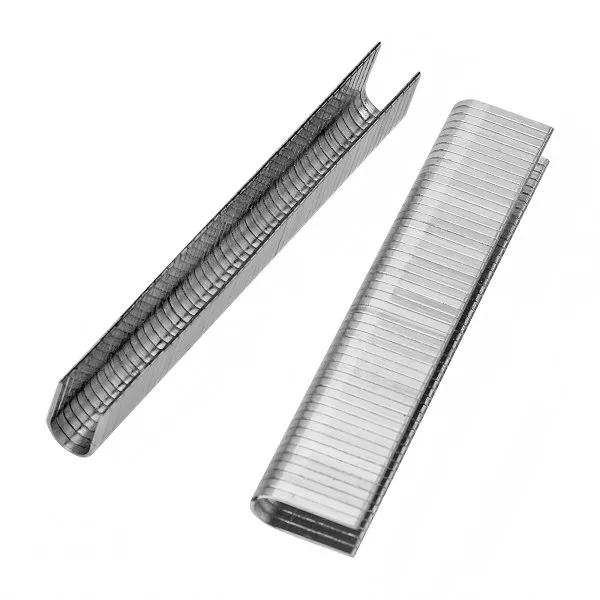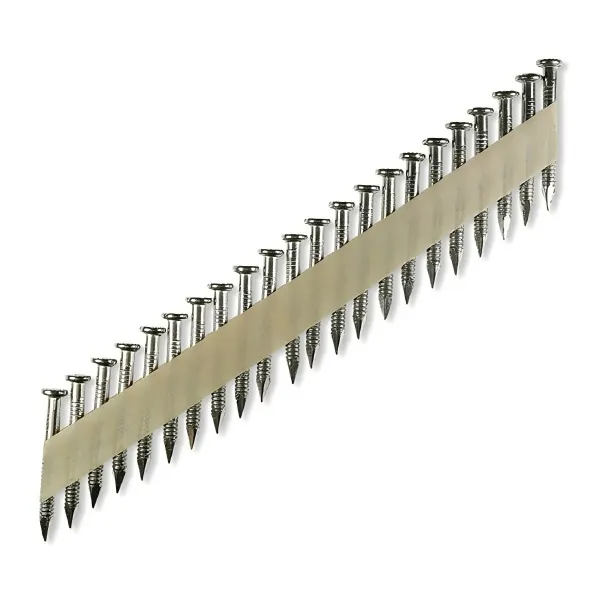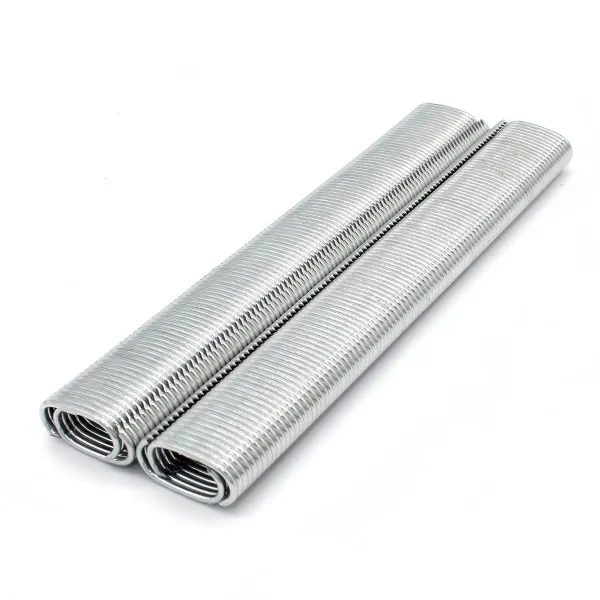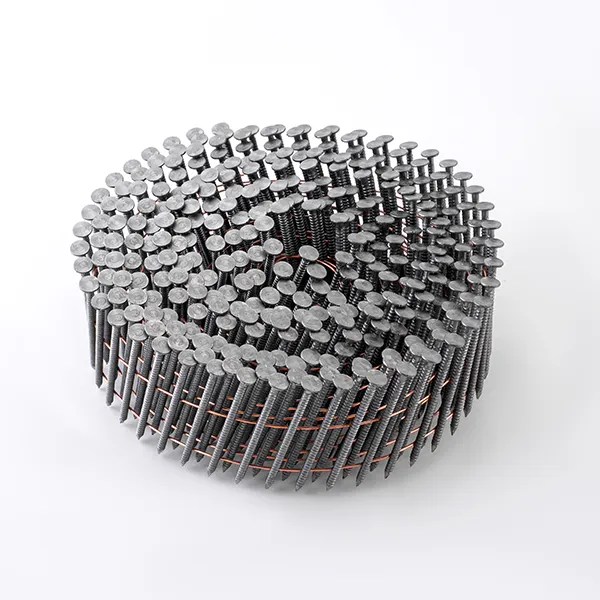
Choosing the right fasteners is one of the highest-leverage decisions in a pallet plant. 15 degree coil nails for pallet manufacturing are the dominant format on automated and semi-automated pallet lines because they feed continuously from a wire-collated coil, reload far less often than strip collations, and hold up under the stacking, racking and transport loads export pallets must survive. This guide explains what 15 degree coil nails are, how they differ from 30 degree options, and what to specify when you source them in volume.
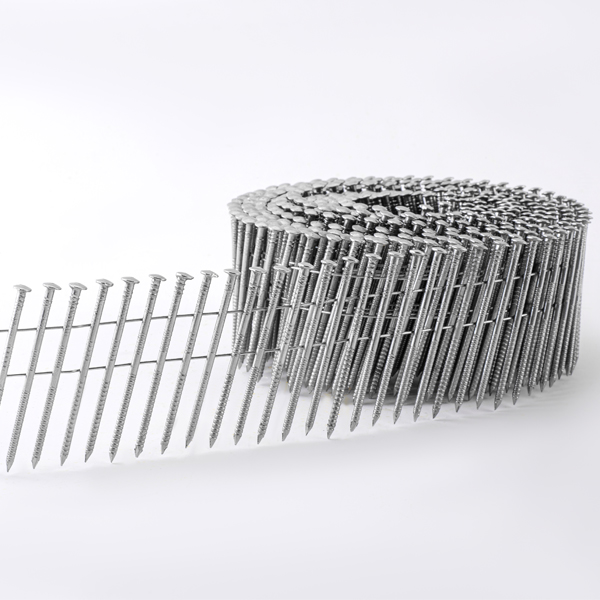
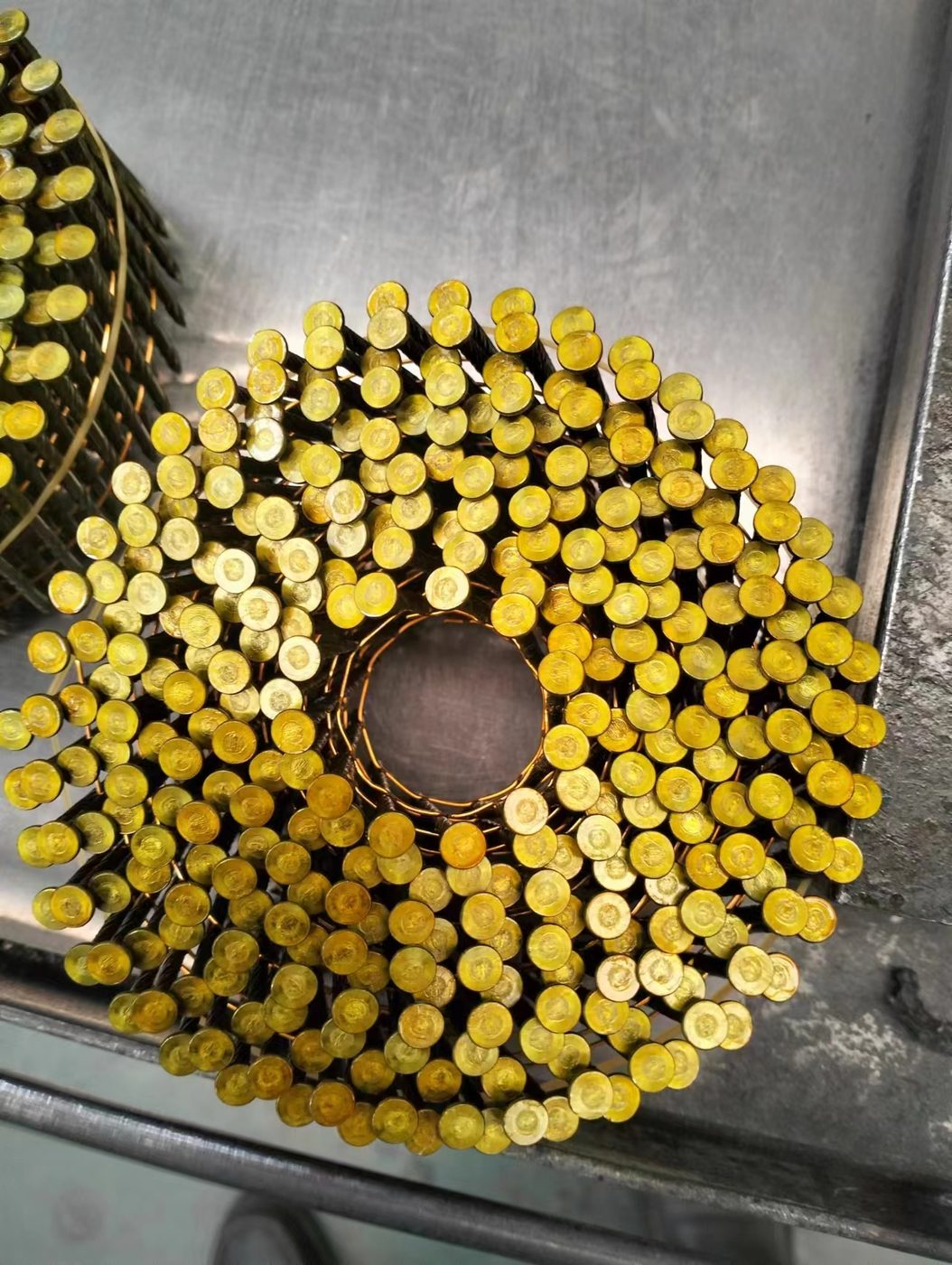
15 degree coil nails are collated on a flexible wire coil, 150–300 nails per load depending on size. The 15° refers to the feed angle of the coil magazine on the nailer — the angle at which the nails sit as they are driven into the work piece.
Because the collation is a continuous coil rather than a rigid strip, a magazine holds several times more fasteners. On a pallet line, that means fewer reload stops, less downtime and a steadier production rhythm.
The feed angle must match the nailer you run. It is not a quality ranking — it is a compatibility spec.
| Aspect | 15° coil nails | 30° coil nails |
|---|---|---|
| Collation | Wire collated, flexible coil | Wire or paper collated coil |
| Nails per load | High (typically 150–300) | High (typically 150–300) |
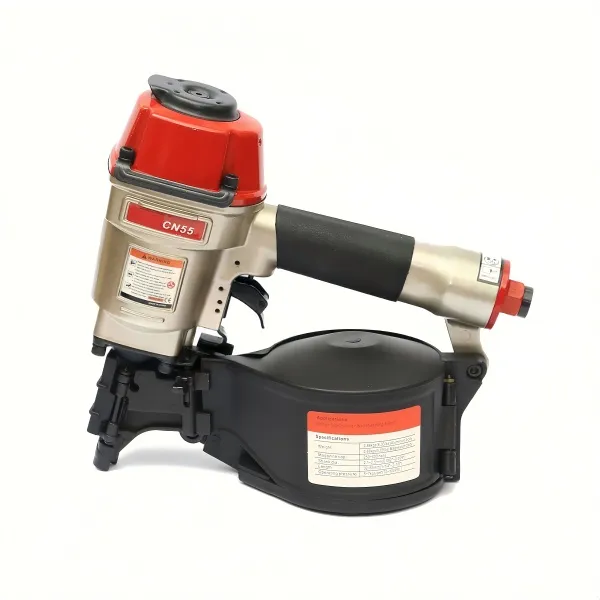
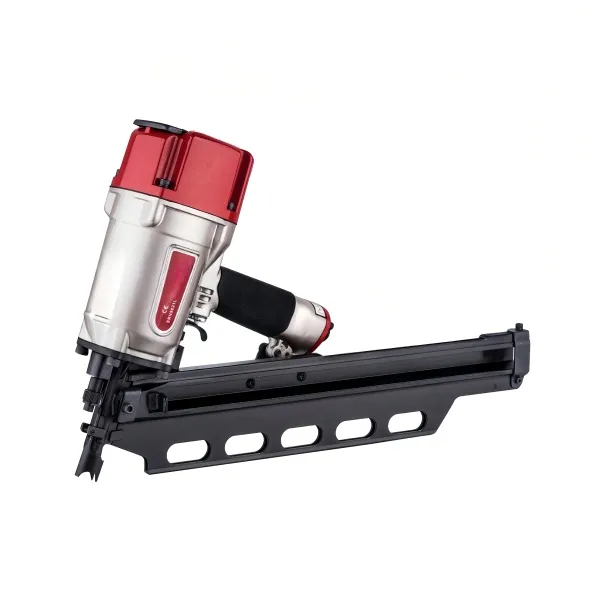
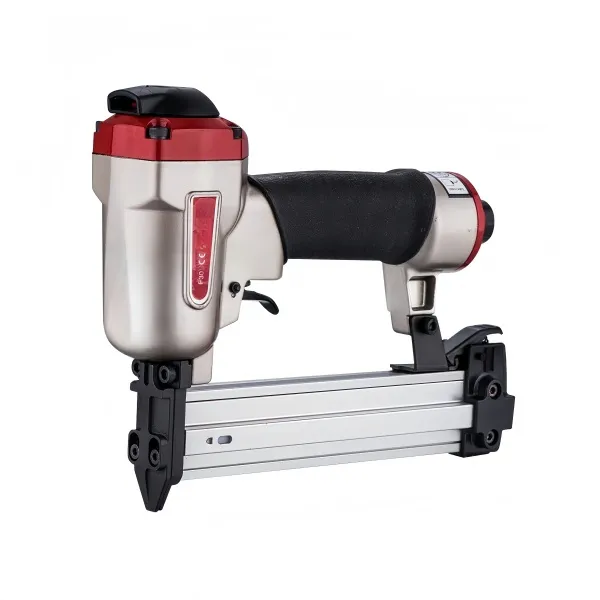
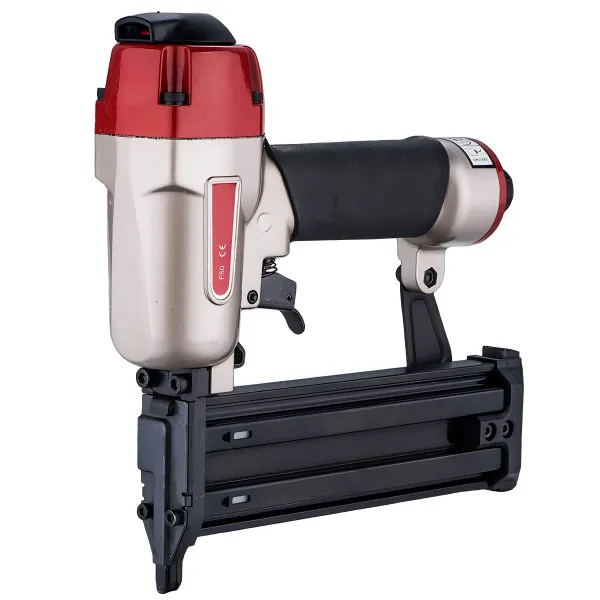
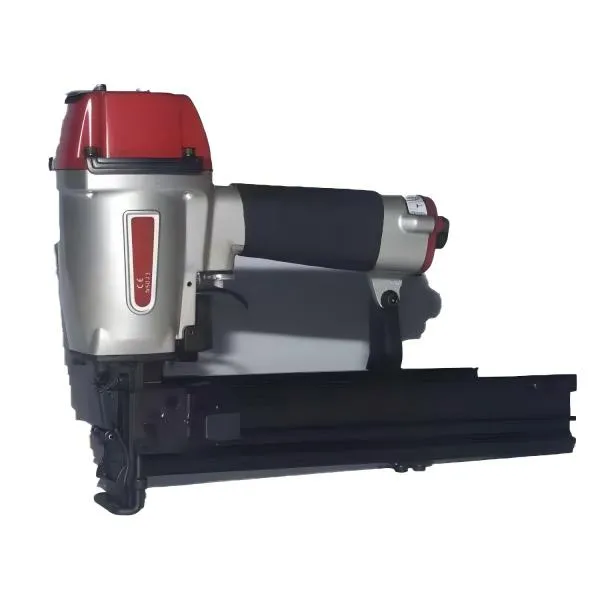
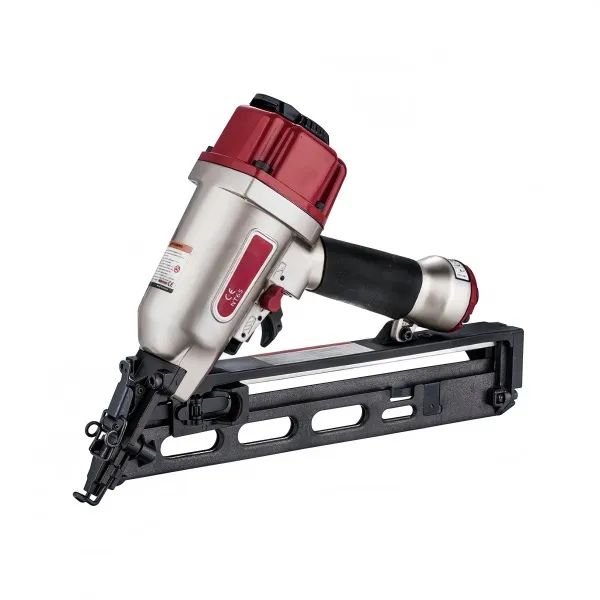
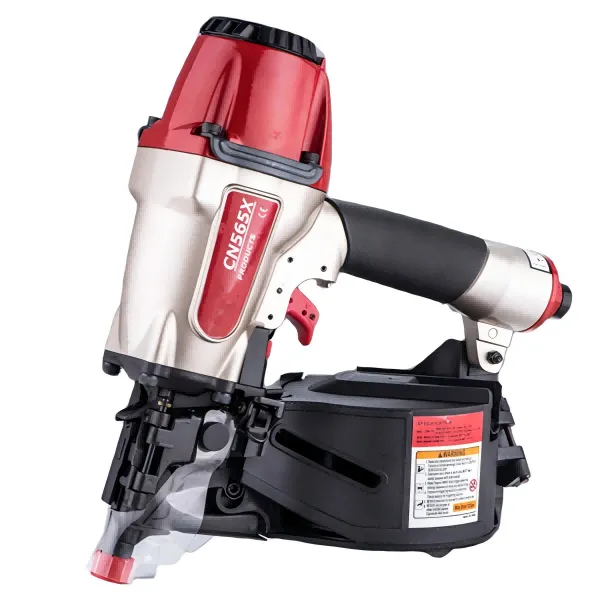
| Typical nailers | CN80, CN90, CN100 and similar coil nailers | Coil nailers designed for 30° magazines |
| Typical work | Pallets, crates, heavy framing | Roofing, framing, general construction |
| Interchangeability | Not interchangeable with 30° tools | Not interchangeable with 15° tools |
Check the feed angle printed on your nailer before ordering. Mixing angles is the most common (and most avoidable) sourcing error we see from first-time importers.
The shank type decides how hard the nail is to pull out — the single most important property for pallets that get stacked, strapped and shipped.
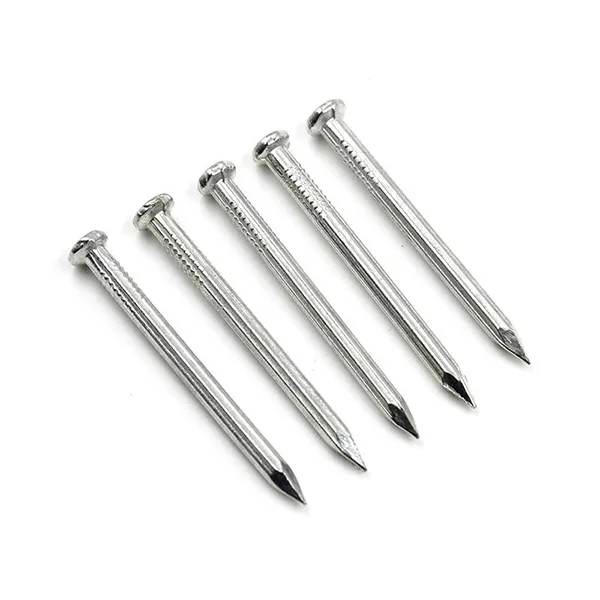
Ring shank (annular rings). The rings grip wood fibres and resist withdrawal under vibration and handling. The standard choice for pallets and crates.
Screw shank. A twisted shank that “screws” into the wood, giving the highest withdrawal resistance of the two. Preferred where pallets face rough handling or heavy loads.
For export pallets bound for humid routes, pair the shank choice with a corrosion-resistant coating — see below.
| Environment | Recommended coating |
|---|---|
| Dry, indoor pallets, standard handling | Bright or electro-galvanized |
| Humid warehouses, occasional outdoor exposure | Hot-dip galvanized |
| Coastal shipping, high humidity, corrosive cargo | Stainless steel or hot-dip galvanized |
If your pallets travel by sea container, remember that condensation inside the container is a real rust risk. Buyers who ignore this discover it at the claim stage, not at the factory.
Wire-collated 15 degree coils are the format most automatic pallet nailing machines are built around. Two factors keep an automated line running:
Collation quality. Consistent wire collation and even spacing prevent jams. West Yosen holds collation variance tight and runs a documented jam rate below 0.5%.
Dimensional consistency. Shank diameter and length must be uniform across the whole coil — automatic feeds have zero tolerance for drift.
These two points are why buyers who have been burned by cheap coils usually move to a supplier with in-house forming, collating and QC, rather than a trading house.
West Yosen manufactures these coil nails in its own factory, so the forming, collating and QC are ours rather than a third party's.
What to confirm before you commit to a container:
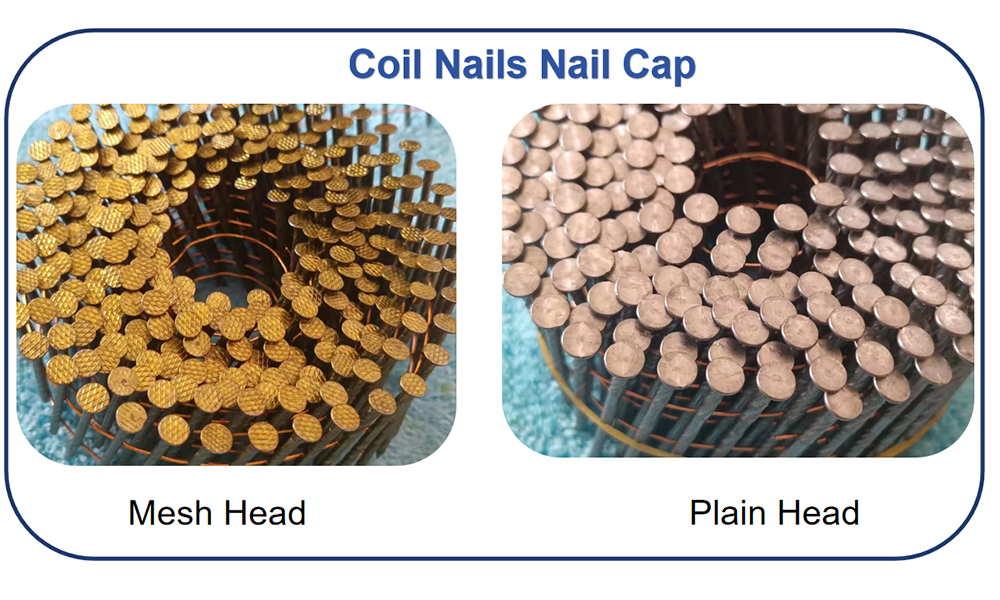
Specification match. Gauge, length, shank type, head and coating — against your nailer’s rated range.
Standards. West Yosen is ISO 9001 certified and production complies with ASTM standards; test reports are available on request.
MOQ. One pallet per size is a common starting point; trial orders are negotiable.
Samples. Free samples — you only pay the shipping.
OEM. Fully customized packaging and labelling is standard, not an upsell.
What is the difference between 15 and 30 degree coil nails?
The number is the feed angle of the coil magazine. 15 degree nails feed from a shallower magazine and are typical for pallet and heavy framing nailers (CN80/CN90/CN100 class); 30 degree nails suit tools built for that magazine. Always match the angle to your nailer.
How many nails are on one 15 degree coil?
Typically 150–300 per coil depending on the nail size; smaller diameters pack more per coil.
Are 15 degree coil nails suitable for automatic pallet lines?
Yes — wire-collated coils are the standard format for automatic nailing machines because they feed continuously and minimise downtime, provided collation quality and dimensional consistency are controlled.
Can I get OEM packaging for resale?
Yes. Custom branding, packaging and labelling are standard at West Yosen, with full export documentation support.
See the pallet coil nails page for the full dimension table and specification details, or the main coil nails range for other collation types and coatings. Need a specification matched to your nailer and pallet design? Contact our technical team — a wrong spec is far cheaper to fix on paper than in a container.