What Is a Hog Ring Gun?
A hog ring gun is a fastening tool that closes C-shaped metal rings — hog rings — around wire, mesh, fabric or foam to hold the materials together. Because the ring wraps all the way around the joint and is then crimped shut, the connection resists pull-out far better than a staple driven through the surface, and it will not tear through thin wire or soft fabric.
Hog ring guns are used wherever wire has to be joined to wire, or fabric has to be pulled tight onto a frame: wire cages and mesh fencing, gabion baskets, mattress and automotive seating assembly, and upholstery. This guide covers the types of hog ring guns, how they work, the ring parameters you need to specify before ordering, and how to match a tool and a ring to your production line.
Hog ring gun, hog ring pliers, and the C ring
Three terms appear together and are often confused:
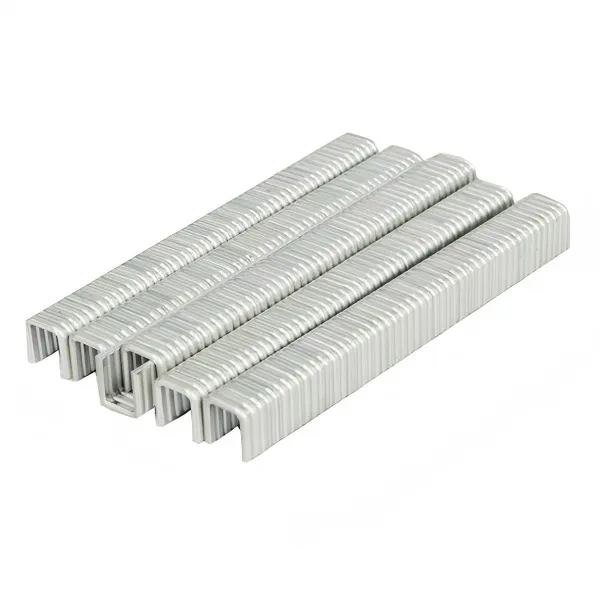
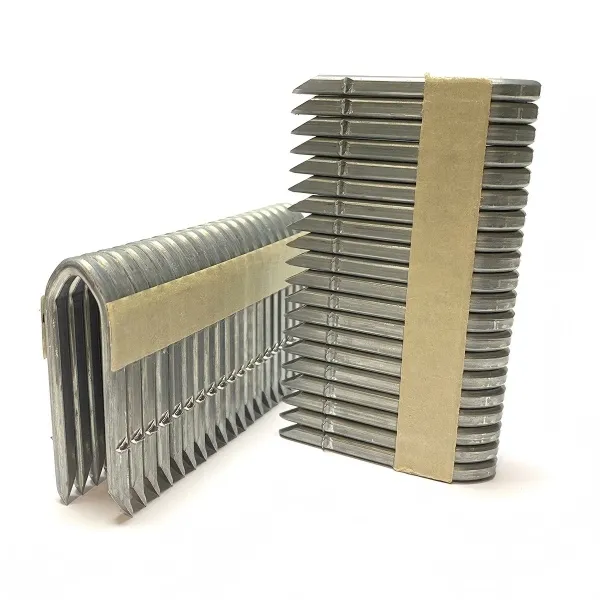
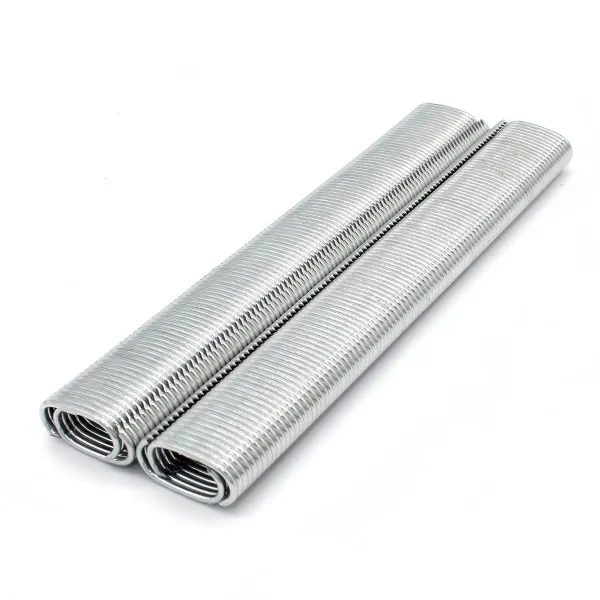
Hog ring (also written hog ring staple, C ring, or C-clip) — the consumable. A C-shaped piece of wire with pointed or blunt tips. It is the thing that actually holds the joint.
Hog ring pliers — a manual, hand-squeezed tool. Cheap and portable, but slow and inconsistent over a long shift.
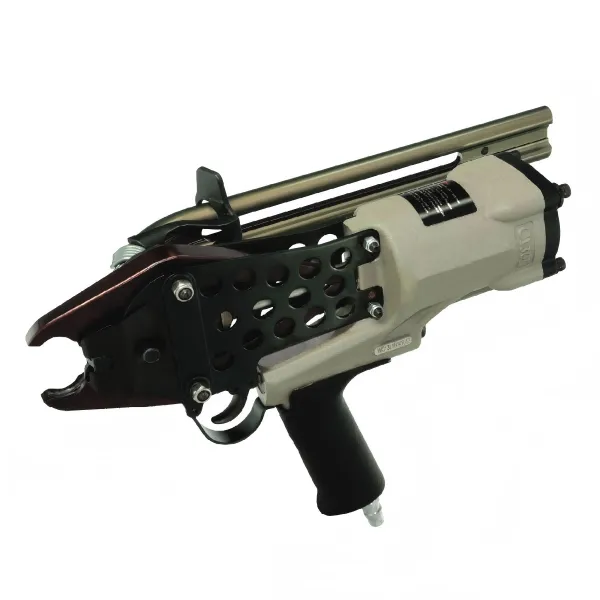
Hog ring gun (also called a hog ringer, hog ring stapler, or hog ring fastener) — a powered tool that feeds rings from a magazine and crimps them in one trigger pull. Air-powered models are the standard choice for any production line.
How a Hog Ring Gun Works
The tool holds a magazine of rings, either as a loose stack or collated into a stick. On each trigger pull a ring is pushed into the jaw, the jaws close around the material, and the ring is crimped to its closed diameter. The magazine then indexes the next ring into position.
Because the jaw geometry and the crimping stroke are fixed, every ring closes to the same diameter at the same force. That repeatability is the main reason pneumatic hog ring guns replaced manual pliers in manufacturing: an operator with pliers varies the closure from ring to ring, while a gun cannot.
Types of Hog Ring Guns
Manual hog ring pliers
Hand-operated, no air supply needed. Suitable for repair work, low-volume assembly, and site work where a compressor is not available. Not practical for high-volume production.
Pneumatic (air) hog ring gun
Driven by compressed air and the most common type in manufacturing. One trigger pull feeds and closes a ring, so cycle time is short and operator fatigue stays low across a full shift. Air hog ring guns are what we supply — see our pneumatic hog ring gun specification and applications.
Hog ring guns by closure and feed style
C-ring closure — the classic hog ring. The ring closes to a rounded C around the joint. Most tools on the market, including ours, are C-ring tools.
Strip-collated rings — rings glued into a stick so the tool feeds them in sequence. Fastest reloading; the rings and the tool must be matched to each other.
Loose rings — fed from a stack or a hopper. More flexible on ring size, slower to load.
Hog ring guns by application
| Application | What is being joined | Typical tool |
| Mattress and bedding | Springs to wire frames and border rods | Pneumatic hog ring gun |
| Automotive seating | Seat covers, cushions and foam to seat frames | Pneumatic hog ring gun |
| Wire cages and animal enclosures | Mesh panels to frame wire | Pneumatic hog ring gun |
| Fencing and mesh | Fencing wire and mesh rolls to line wire | Pneumatic or manual |
| Gabion baskets | Wire mesh panels at the basket edges and diaphragms | Pneumatic hog ring gun |
| Upholstery and furniture | Fabric and foam to frames and springs | Pneumatic or manual |
Hog Ring vs Staple vs Nail: Which Fastener to Use
| Fastener | How it holds | Best for | Weak point |
| Hog ring (C ring) | Wraps fully around the joint and is crimped closed | Wire to wire, wire to fabric, foam to frame | Needs access around the back of the joint |
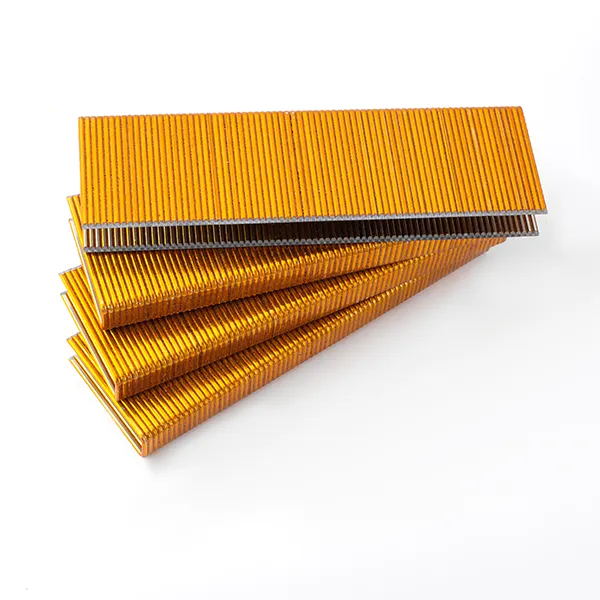
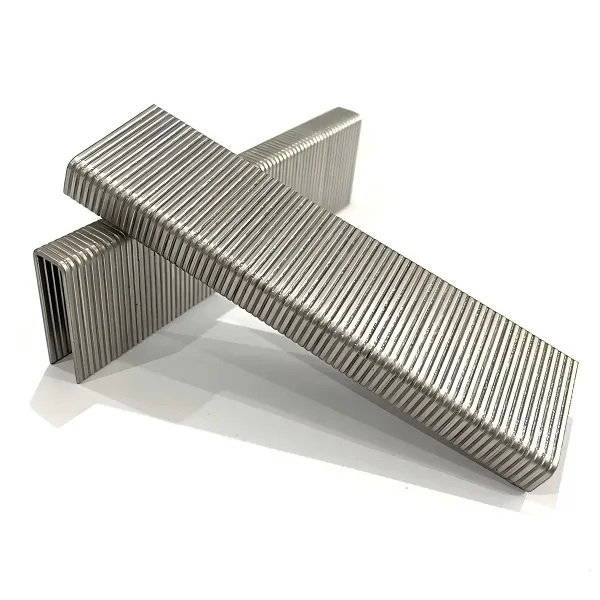
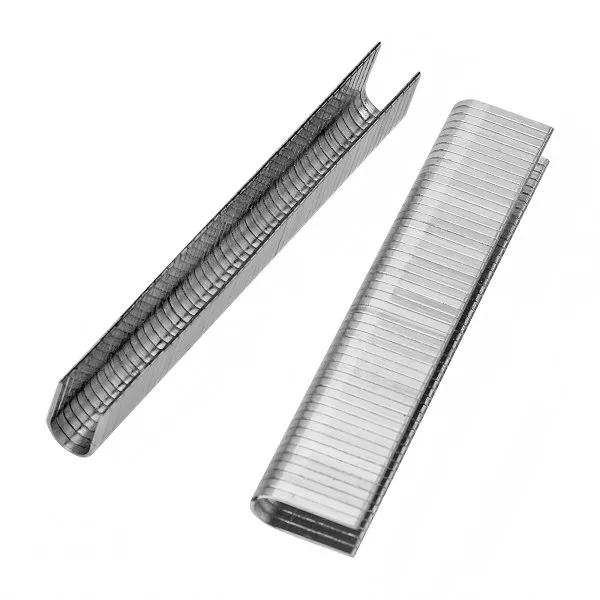
| Staple | Two legs driven through the material | Fabric or mesh onto a solid backing, cartons | Can tear thin wire or pull out of soft material |
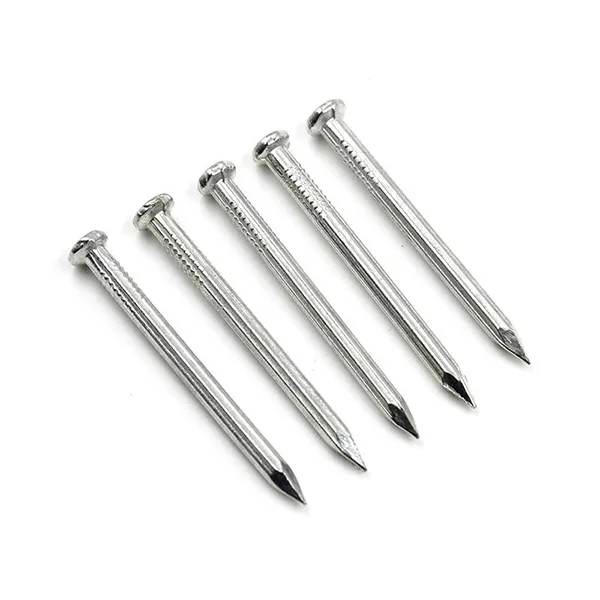
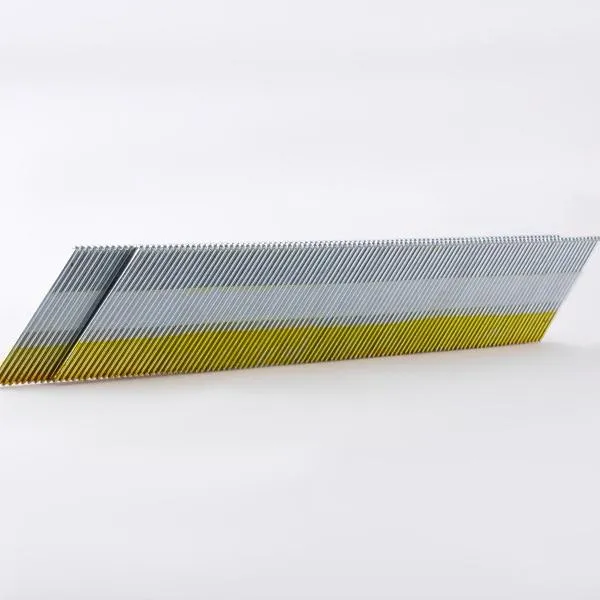
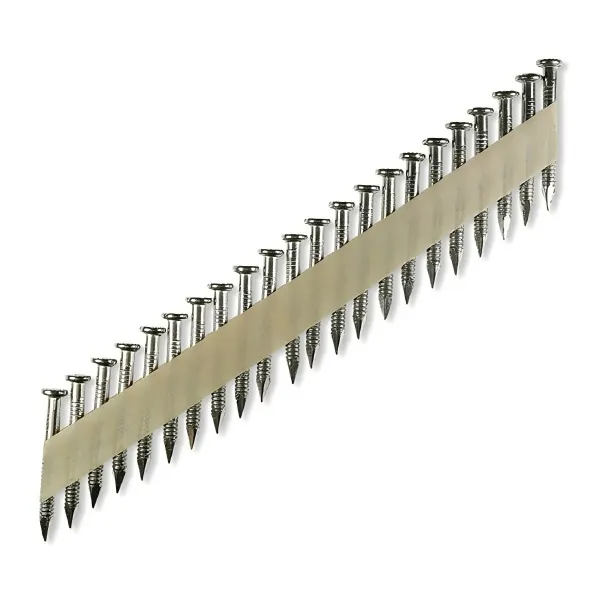
| Nail | Driven into solid material, holds by friction | Wood to wood, pallets and crates, framing | Not suitable for joining round wire |
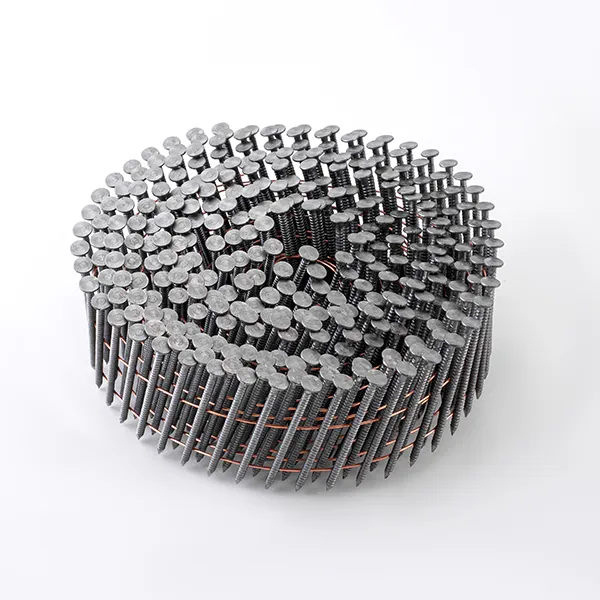
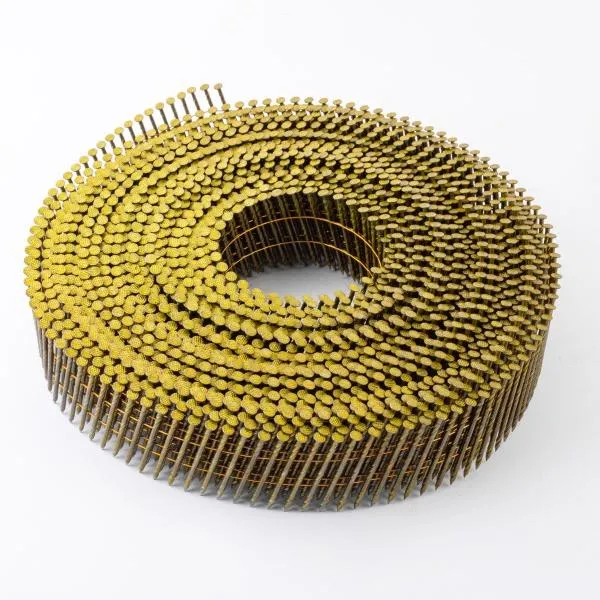
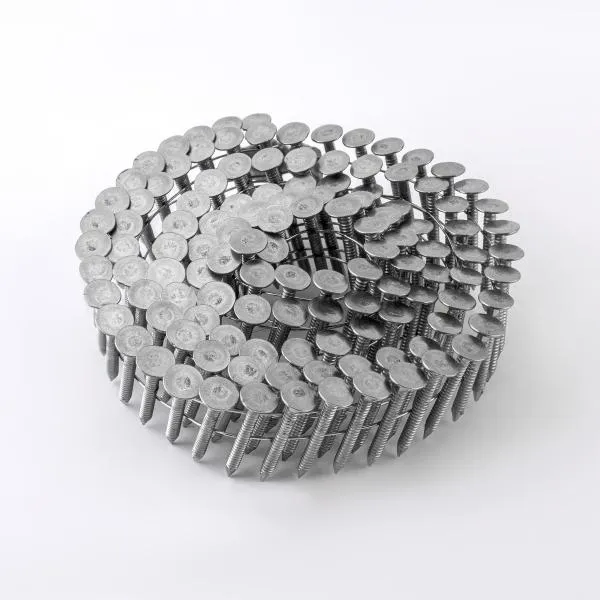
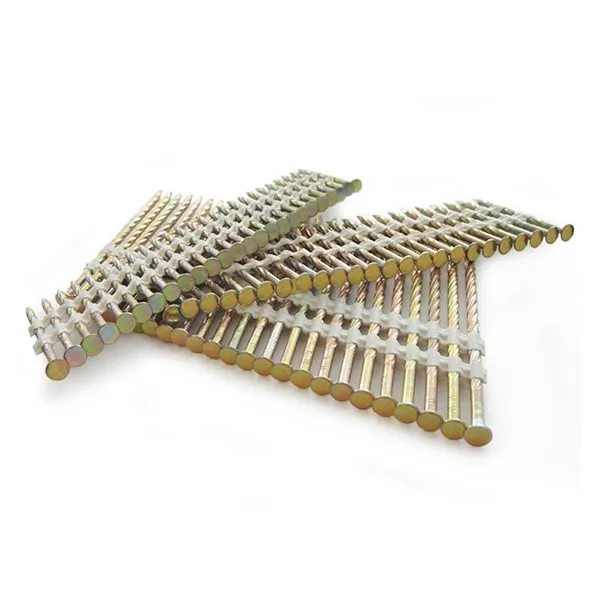
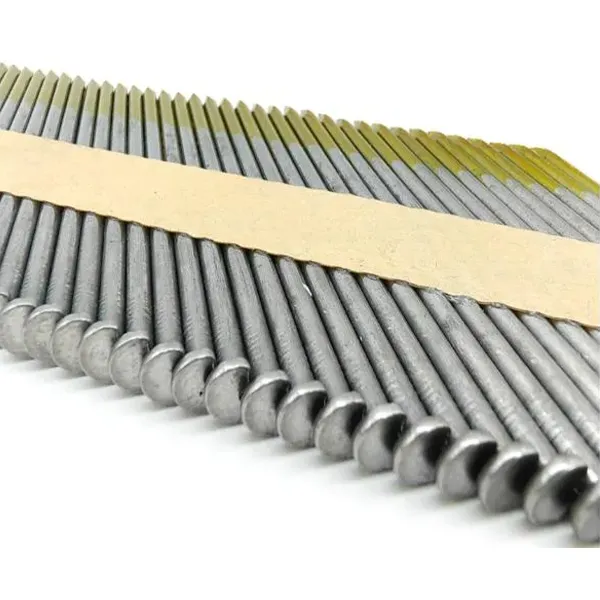
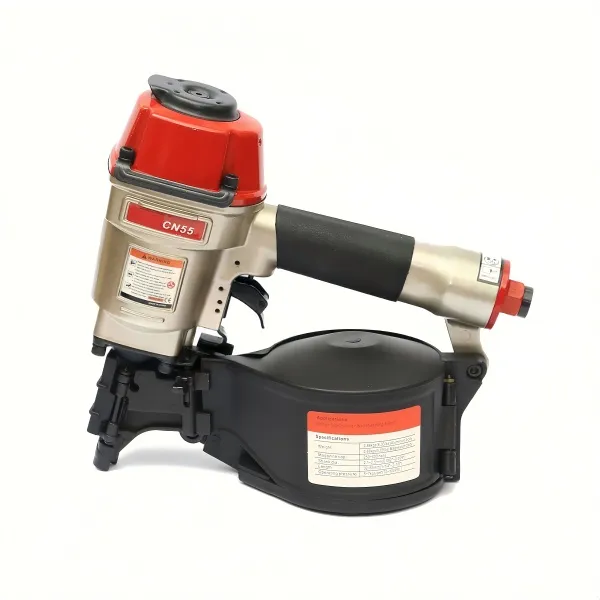
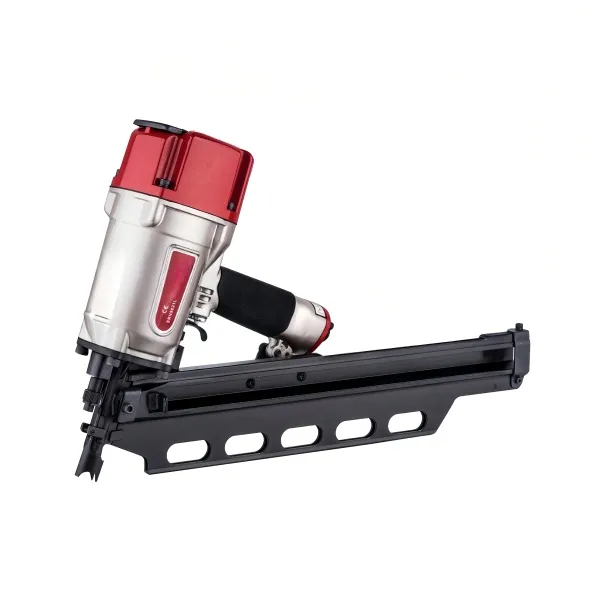
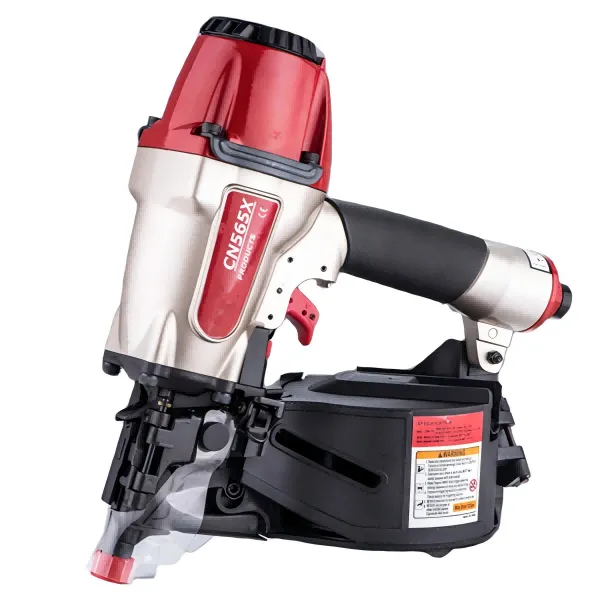
The rule of thumb: if the joint is wire crossing wire, or fabric stretched over a wire frame, use a hog ring. If you are fastening to a flat solid surface, a staple usually does the job. If you are building a wooden pallet or crate, you want coil nails and a coil nailer instead.
Ring and Tool Parameters to Confirm Before Ordering
Hog rings are not one universal size. A ring that fits one gun will not feed through another, and a ring that closes too loosely will let the joint slip. There are five parameters to pin down, and they have to be agreed together — the tool and the ring are a matched pair.
| Parameter | What it controls | Why it matters |
| Ring wire gauge | The thickness of the wire the ring is made from | Sets the joint strength. A tool is normally built for one gauge band, so this decides which gun you can use. |
| Crown width | The span across the back of the ring, before closing | Must be wide enough to straddle the wire or material being joined. |
| Closure (inside) diameter | The inside diameter the ring is crimped down to | Must match the combined thickness of the two parts being joined. Too large and the joint is loose; too small and the ring will not crimp shut cleanly. |
| Tip type | Sharp tip or blunt tip | Sharp tips pierce fabric and mesh and give a tight closure. Blunt tips are safer where the finished product is handled or comes into contact with people or animals. |
| Material and coating | The base metal and any surface treatment | Decides corrosion life. Outdoor and humid applications need a protected or stainless ring. |
Materials we supply
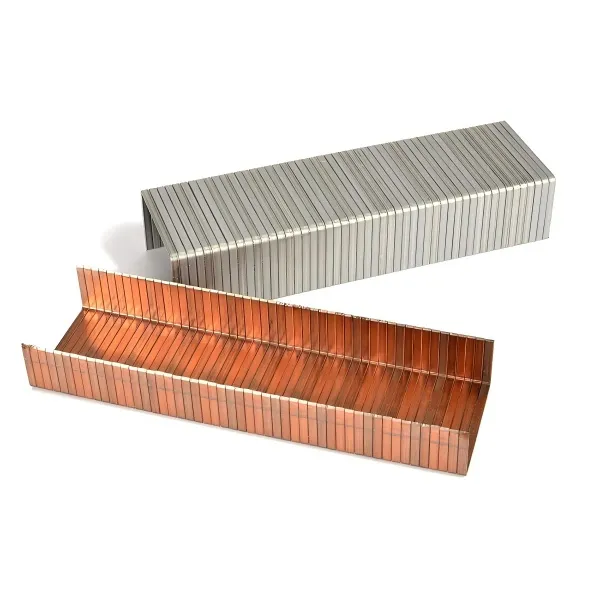
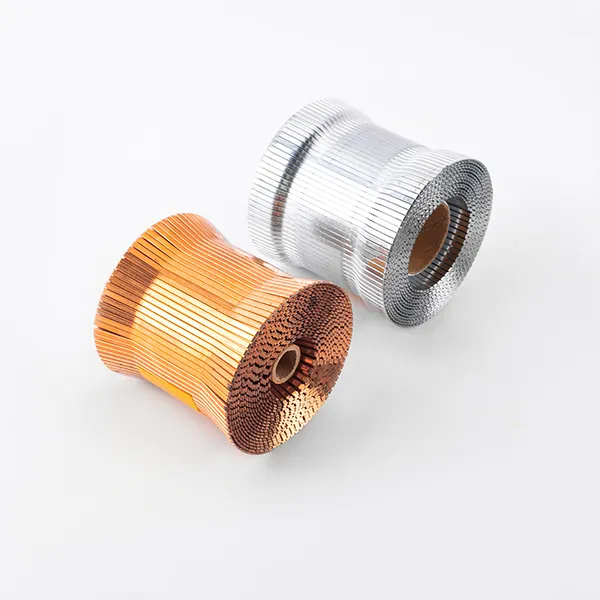
Hog rings are available in stainless steel, polished steel, galvanized steel and aluminum. For specific requirements we can also supply copper-plated rings and vinyl-coated rings in different colors, which is common where the ring is visible in the finished product or where it must not scratch. Both sharp-tip and blunt-tip rings are available. See our hog rings C page for the full material list.
If you tell us the materials you are joining and the finish you need, we will confirm the exact ring gauge, crown width and closure diameter that matches your gun.
How to Choose a Hog Ring Gun
Work through these four questions in order:
What are you joining? Wire to wire, wire to fabric, or foam to frame. This sets the ring type and tip.
What is the combined thickness at the joint? This sets the closure diameter. Measure the compressed joint, not the loose materials.
How many joints per shift? High volume points to a pneumatic gun; low volume and site work can stay with pliers.
What environment will the finished product see? Indoor furniture can use polished or galvanized steel. Outdoor gabion, fencing and humid environments need galvanized, copper-plated or stainless.
Once the first three answers are known, the ring and the tool follow from them. Ordering the gun first and the ring afterwards is the most common mistake — the ring is the part that has to match the job, and the gun is chosen to feed that ring.
Frequently Asked Questions
What is a hog ring gun used for?
Closing hog rings around wire, mesh, fabric and foam. The main production uses are mattress and wire frame assembly, automotive seating, wire cages and mesh fencing, gabion baskets, and upholstery.
Is a pneumatic hog ring gun better than manual pliers?
For production work, yes. A pneumatic gun feeds and crimps a ring in one trigger pull, and every ring closes to the same diameter at the same force. Manual pliers suit repair work and low-volume or site work where no air supply is available.
What is the difference between a hog ring gun and a staple gun?
A staple gun drives two legs through the material; a hog ring gun wraps a single ring around the joint and crimps it closed. A hog ring will not tear through thin wire or pull out of soft material the way a staple can, which is why wire-to-wire and wire-to-fabric joints use hog rings.
How do I know which ring size I need?
Measure the combined thickness of the two parts at the joint — that sets the closure diameter. Then check the wire gauge your gun is built for, and the crown width needed to straddle the material. Send us those three figures and we will confirm the matching ring.
What air pressure does a pneumatic hog ring gun need?
Operating pressure depends on the tool model. Ask us for the recommended pressure for the gun you are considering, and confirm the rating of your compressor and air line can hold it under continuous use.
Do hog rings rust outdoors?
Plain polished steel will corrode outdoors or in humid conditions. For outdoor use — gabion, fencing, exposed structures — choose galvanized or copper-plated rings, or stainless steel where the environment is aggressive or the product needs a long service life.
Can I order hog rings and hog ring guns together?
Yes, and it is the safer way to order. We supply both the pneumatic hog ring gun and the C hog rings it feeds, so the ring and the tool can be matched to your application before you commit to a volume. OEM branding, packaging and product specifications are available.
Talk to Us About Your Fastening Line
Tell us what you are joining, the joint thickness, and your daily volume. We will come back with the ring specification and the tool that matches it, plus pricing and lead time. You can also see how these fit into a full line on our pallet and crate assembly page, browse other pneumatic tools, or contact our team directly.