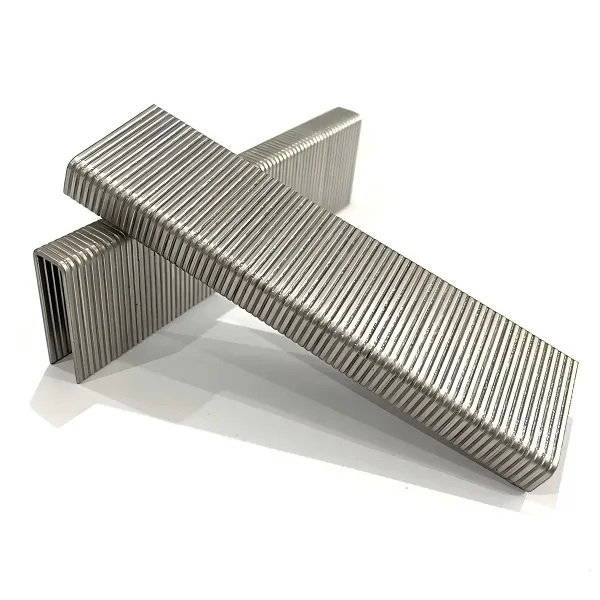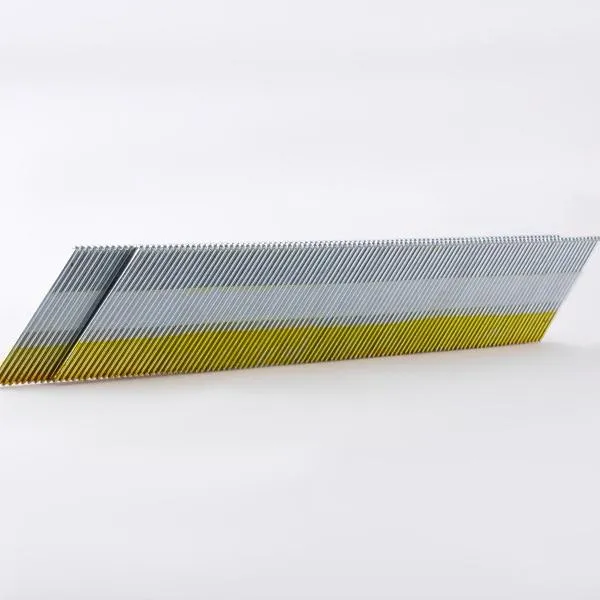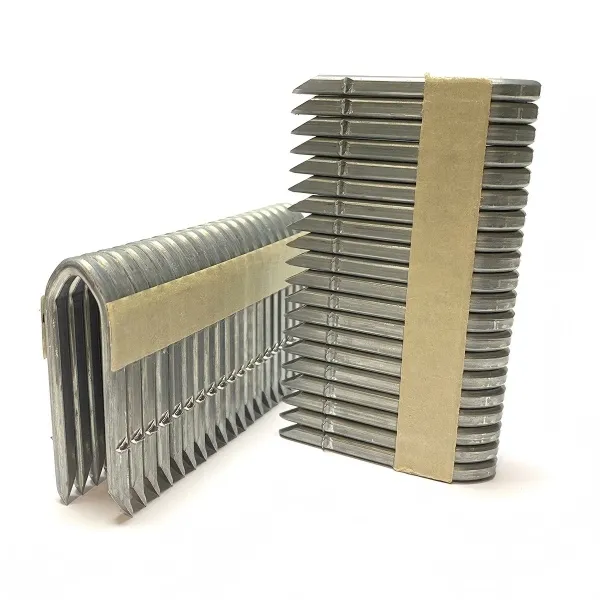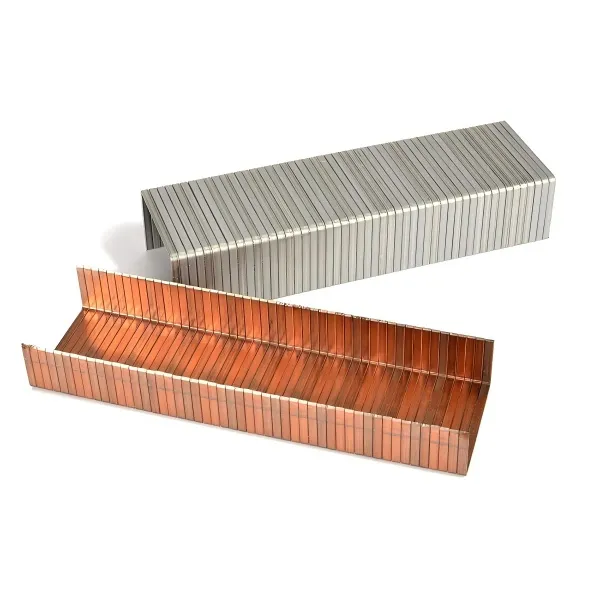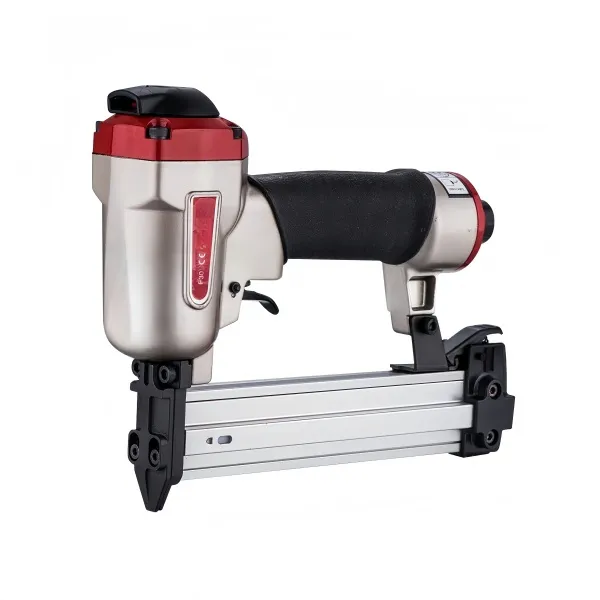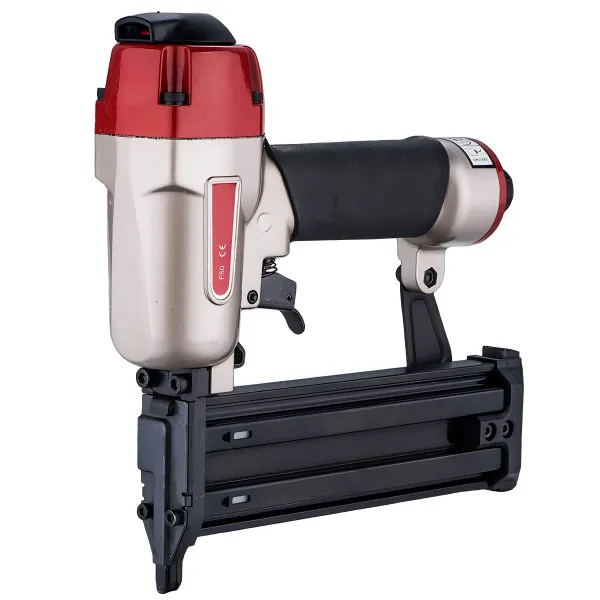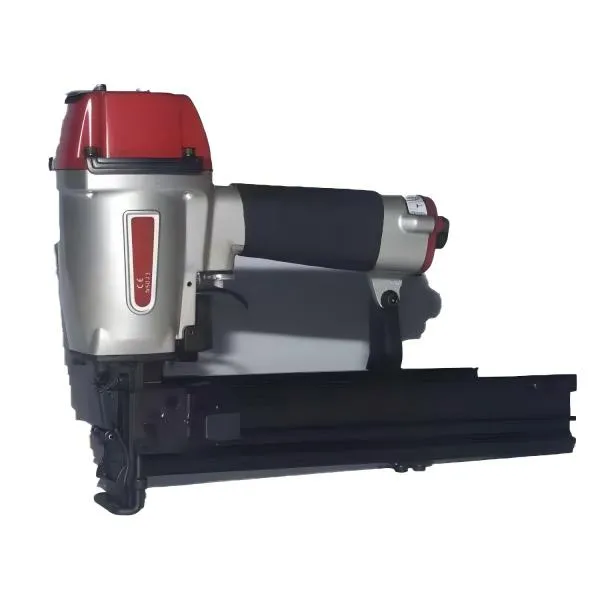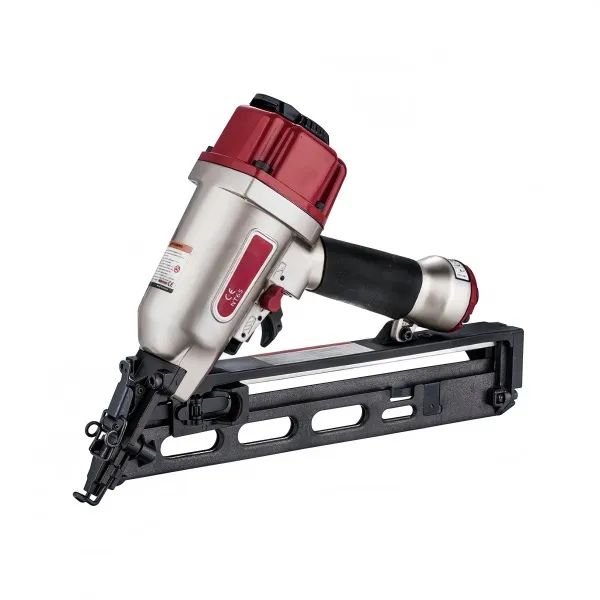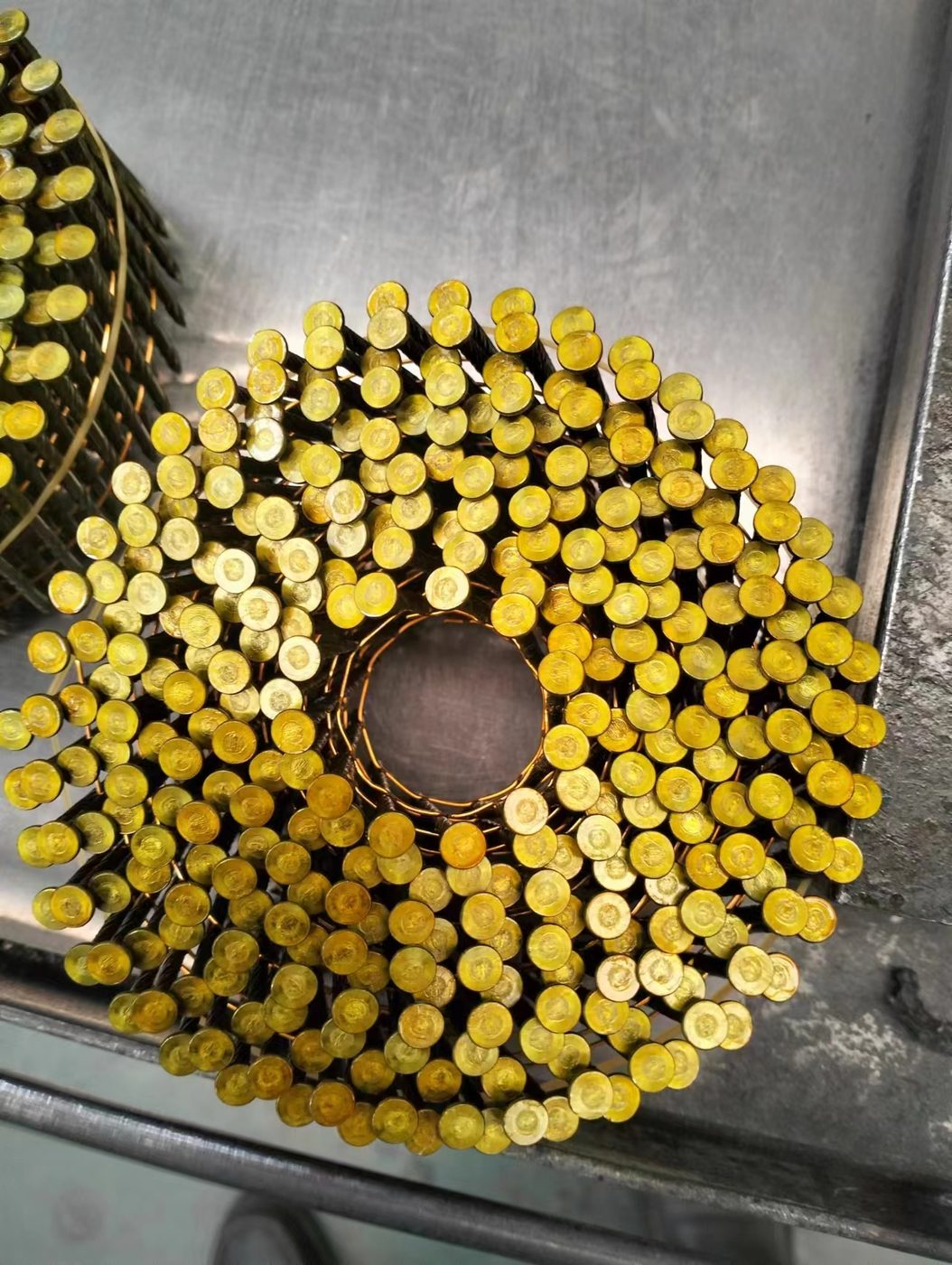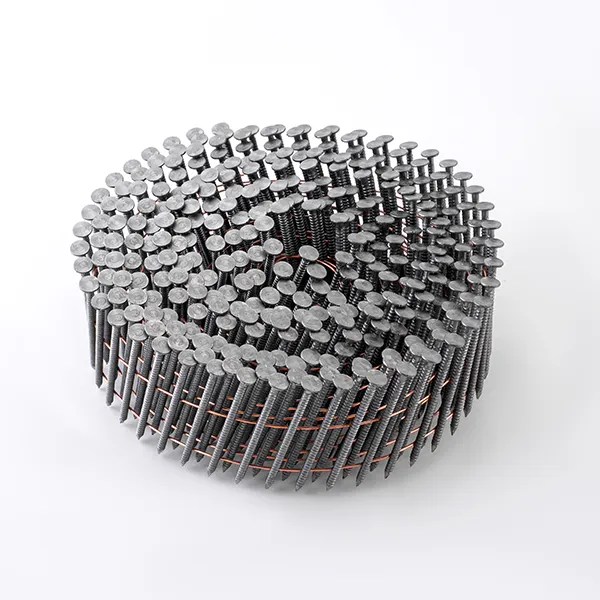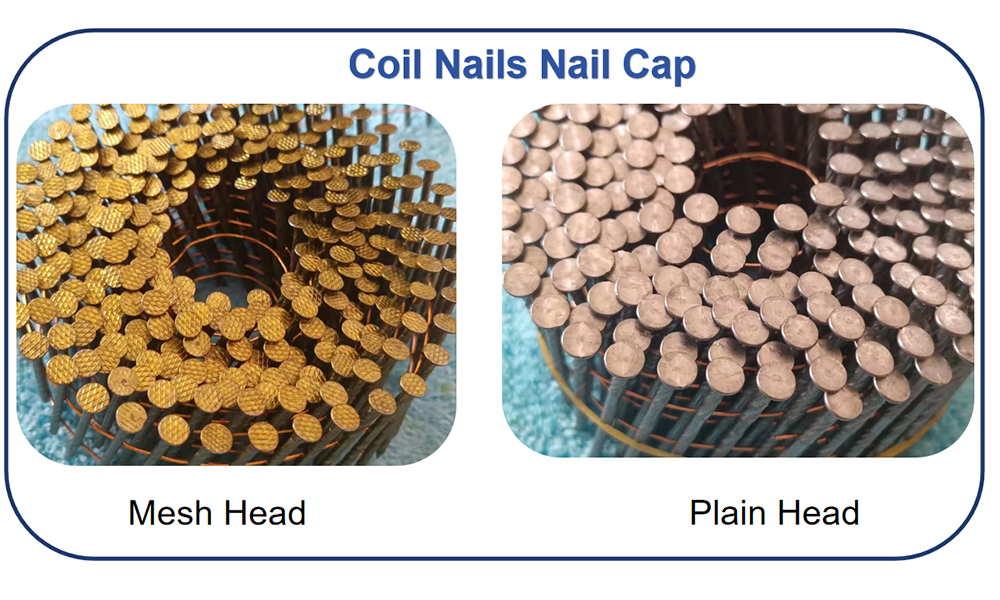
Every fastening operation eventually hits the same fork in the road: coil nails vs strip nails. Both are collated nails designed to keep a pneumatic nailer loaded, but they are built around different production realities. Coil nails maximise nails per load for continuous, high-volume lines; strip nails maximise simplicity for framing and general construction. This guide compares them on the factors that actually affect your cost per pallet, crate or frame — speed, reloads, tool compatibility and reliability — so you can pick the format that fits your line instead of the one that happens to be in your supplier's catalogue.
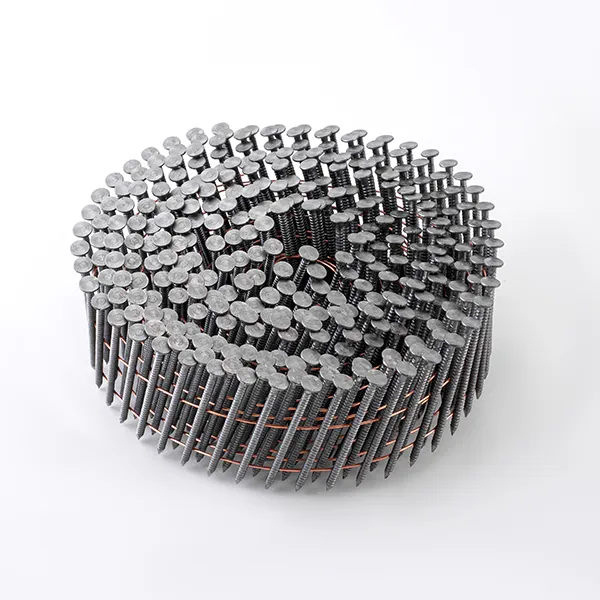
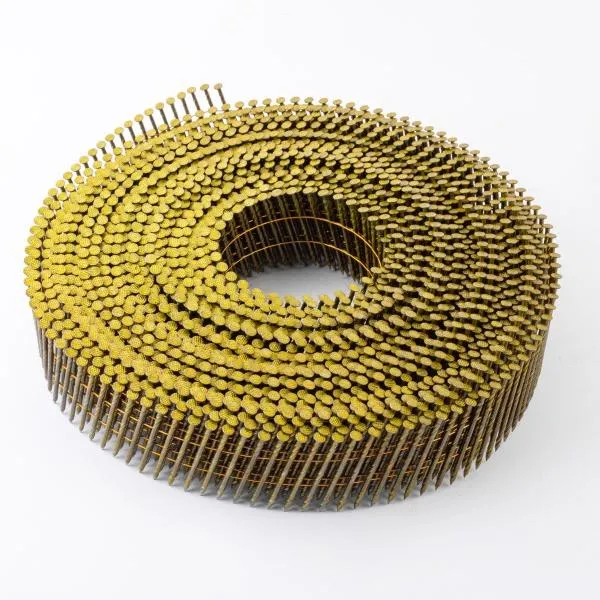
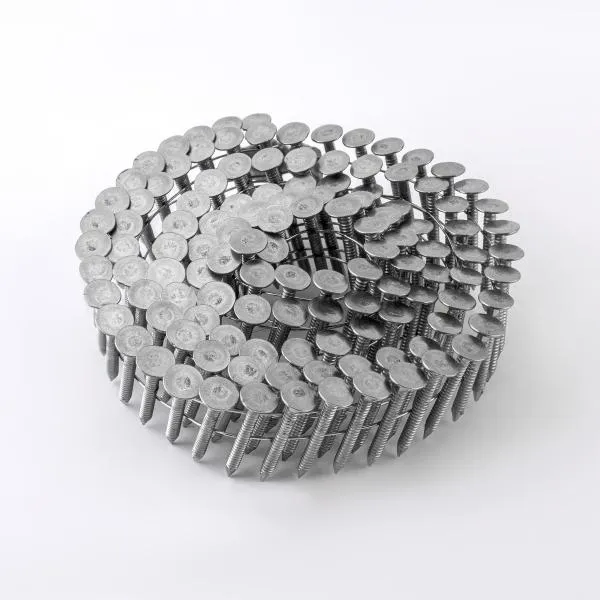
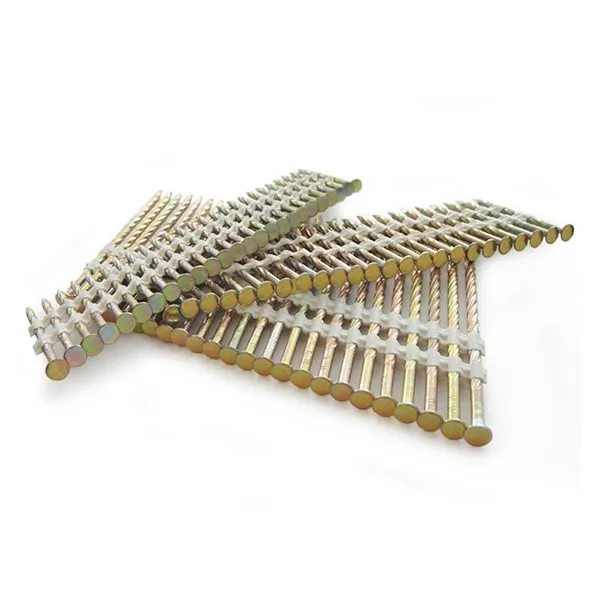
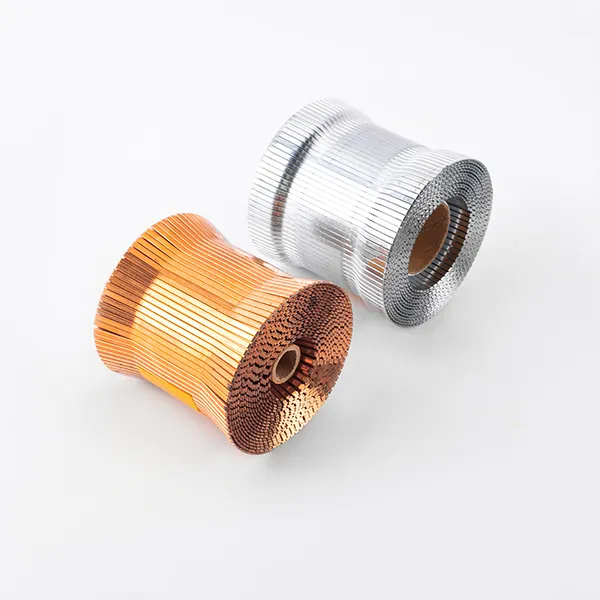
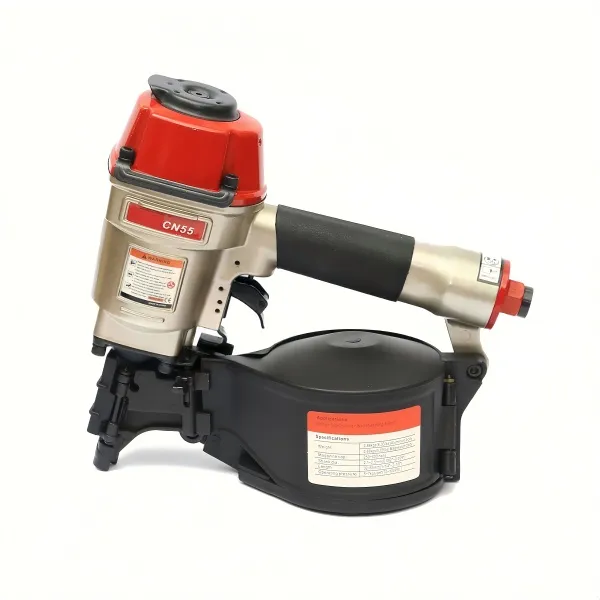
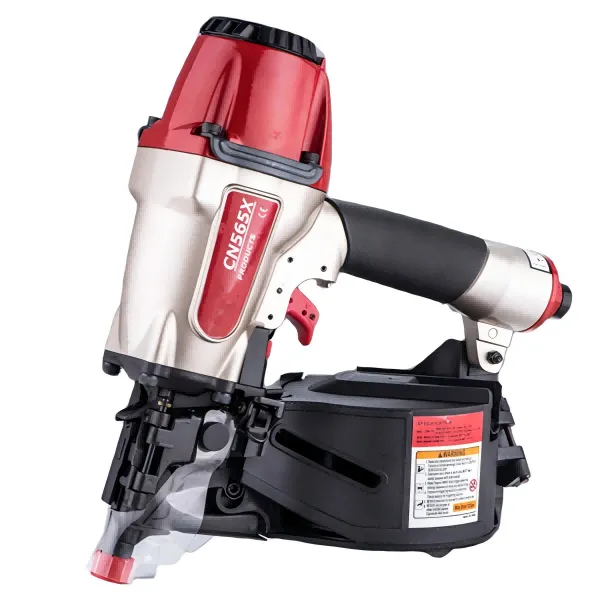
Coil nails are collated on a flexible wire (or paper) coil and hold 150–300 nails per load. They feed from a coil magazine at a 15° or 30° angle.
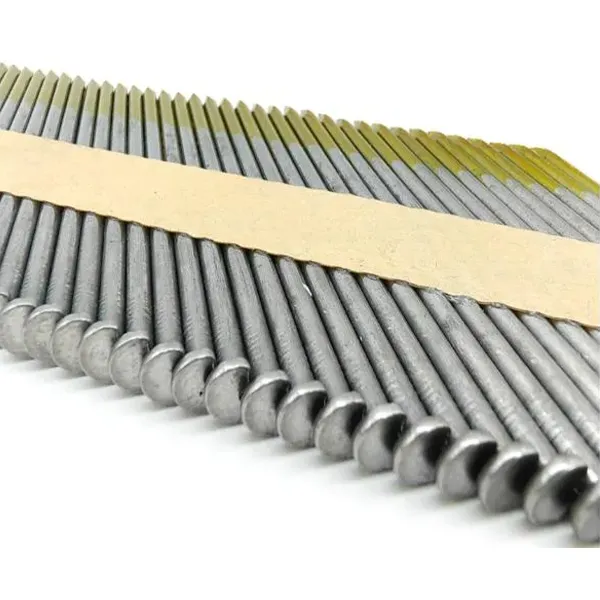
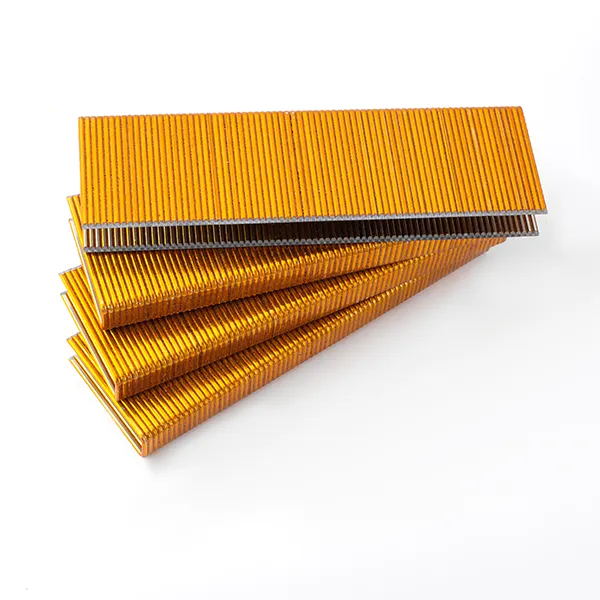
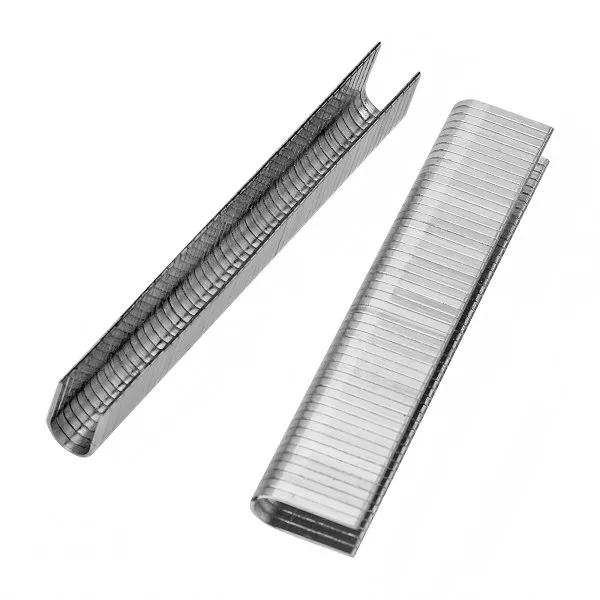
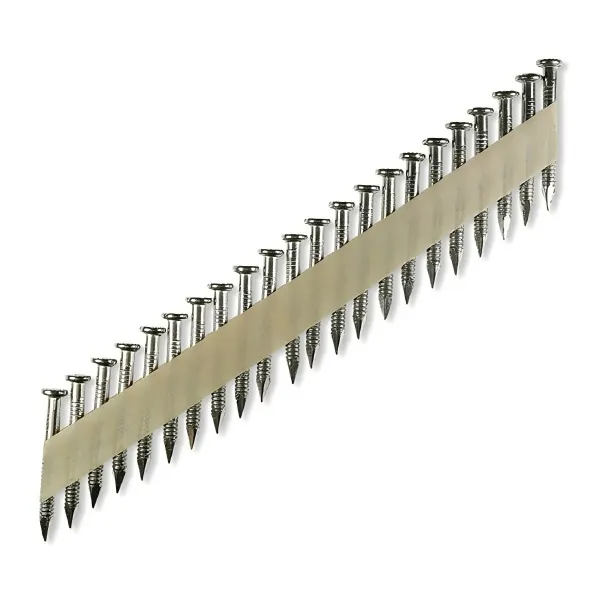
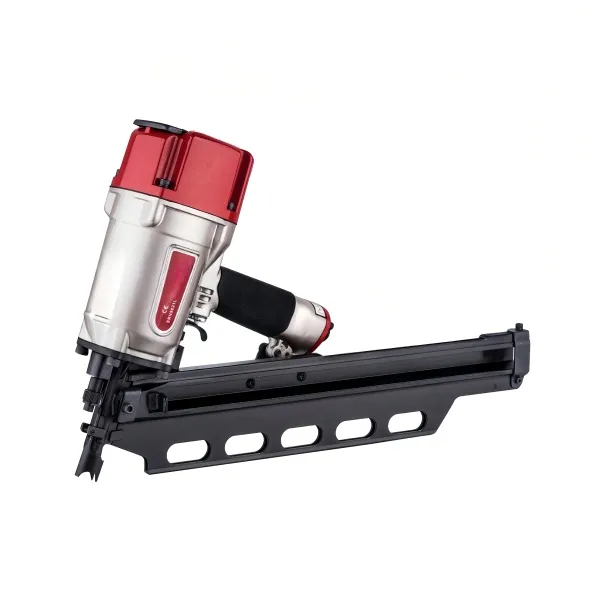
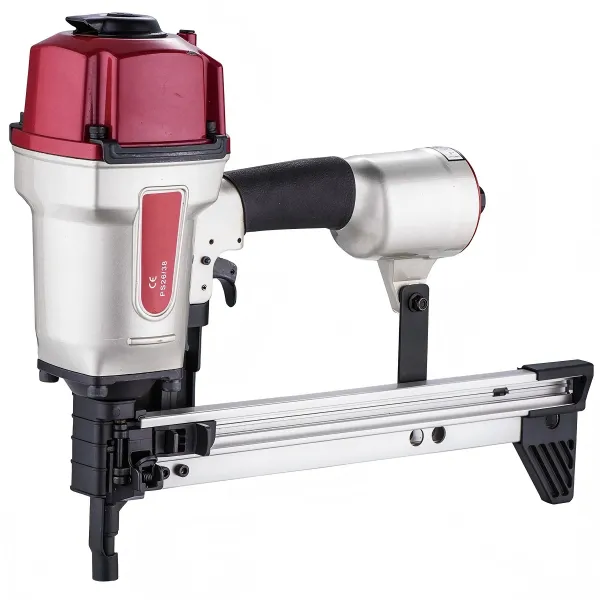
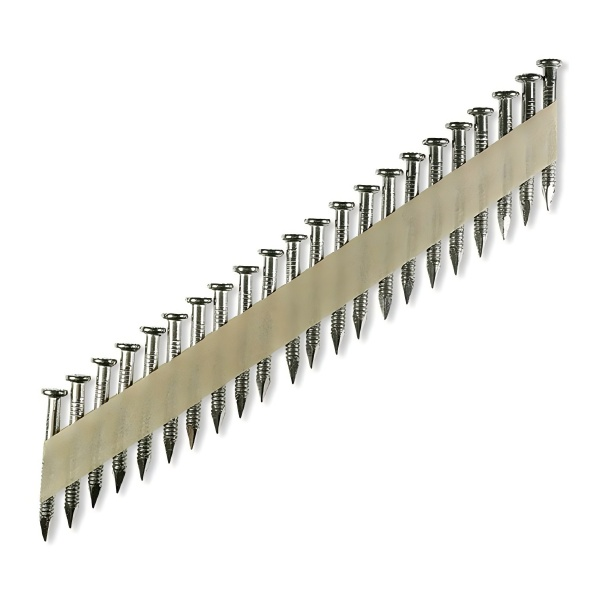
Strip nails are glued on rigid plastic or paper strips and hold roughly 25–60 nails per magazine. They feed from framing and strip nailers at 21°, 28° or 34° angles.
The collation difference drives everything else: reload frequency, tool shape, and the applications each format suits best.
| Aspect | Coil Nails | Strip Nails |
|---|---|---|
| Collation | Wire / paper coil | Plastic / paper strip |
| Nails per magazine | 150–300 | 25–60 |
| Feed angle | 15° / 30° coil | 21° / 28° / 34° strip |
| Reload frequency | Low — suited to high-speed, high-volume lines | Higher — more reload stops |
| Typical tools | Coil nailers (CN80, CN90, CN100) | Framing nailers, strip nailers |
| Best for | Pallets, crates, roofing, continuous production | Framing, fencing, occasional jobs |
| Jamming tendency | Low with quality collation (zero-jam design) | Low, but strip feed debris can occur |
A reload stop costs the same minutes whether you make pallets or frames — but on a pallet line those minutes repeat constantly.
A coil magazine holds roughly five to ten times the nails of a strip magazine. On an automated or high-throughput line, that difference compounds into meaningful runtime per shift. Strip-fed tools spend a larger share of the day being opened and reloaded.
For low-volume or task-switching work — a crew moving from framing to fencing to repairs — the reload difference barely matters, and strip tools' lighter, simpler magazines are perfectly adequate.
The format is locked to the tool:
Coil nails require coil nailers with a coil magazine (15° or 30° — check your tool's rated angle).
Strip nails require framing/strip nailers with a stick magazine (21°, 28° or 34°).
If you already run a fleet of coil nailers, standardising on coil nails protects that investment — and vice versa. Buying "whatever is cheapest this month" across both formats forces you to carry two tool fleets and two collation inventories.
For automated pallet and crate lines, coil nails are usually the first choice:
Fewer reloads. A continuous coil keeps the line running between scheduled stops.
Continuous feeding. Wire-collated coils feed reliably through automatic nailing machines.
Zero-jam design. With quality collation, jam rate stays below 0.5% — the difference between a line that hums and a line that stops.
Strip collation is not "bad" — it is the wrong tool for a role coil nails were built for.
Framing and structural woodwork where 21°–34° strip nailers are the crew standard.
Fencing, decking and job-site work where portability matters more than magazine capacity.
Operations that switch fastener sizes often — strip magazines are quicker to swap.
Are coil nails stronger than strip nails? The nail itself carries the strength — coil and strip nails of the same gauge and shank perform the same. The difference is in feed capacity and reload behaviour, not in the fastener's holding power.
Can I use coil nails in a strip nailer? No. The collation format and feed angle are tool-specific. Coil nails need a coil nailer; strip nails need a strip/framing nailer.
Which is cheaper: coil nails or strip nails? Unit pricing depends on gauge, coating and volume, but the economic question is cost per finished pallet or frame — where coil nails' lower reload downtime usually wins on continuous lines.
Do you supply both formats? Yes. West Yosen manufactures and supplies coil and strip collations with OEM options, so you can standardise either way.
See the full coil nails range for collation types, coatings and the CN55–CN100 nailer compatibility table, or the pallet coil nails page for pallet-specific specifications. Tell us your line speed and tool model and we will recommend the format and spec — a wrong format choice is cheaper to fix before the container ships.