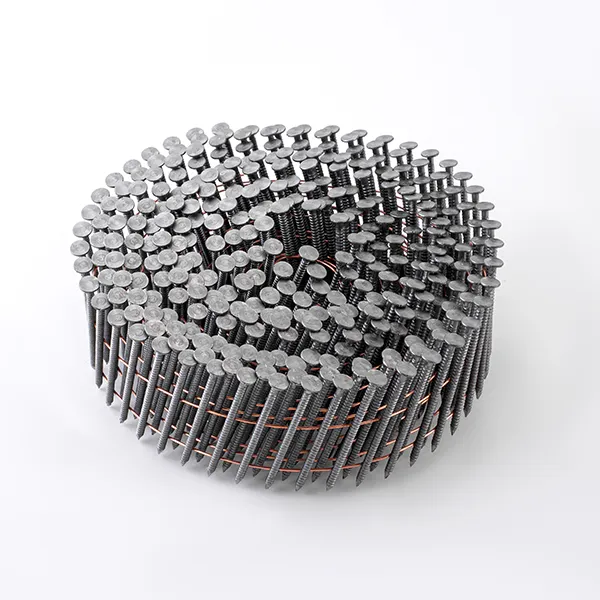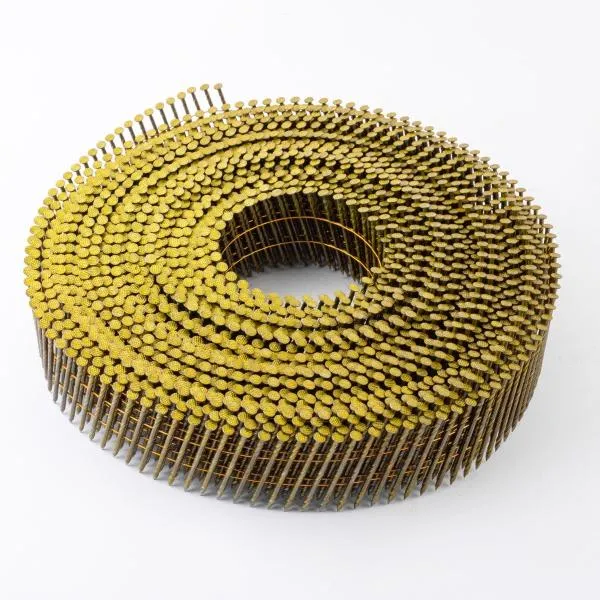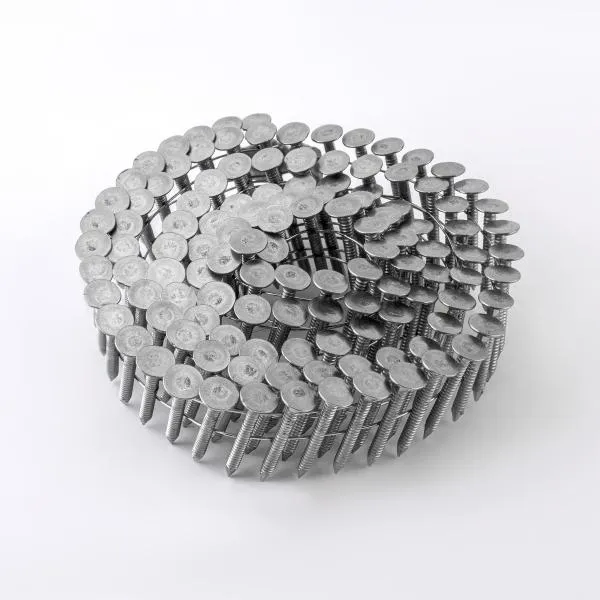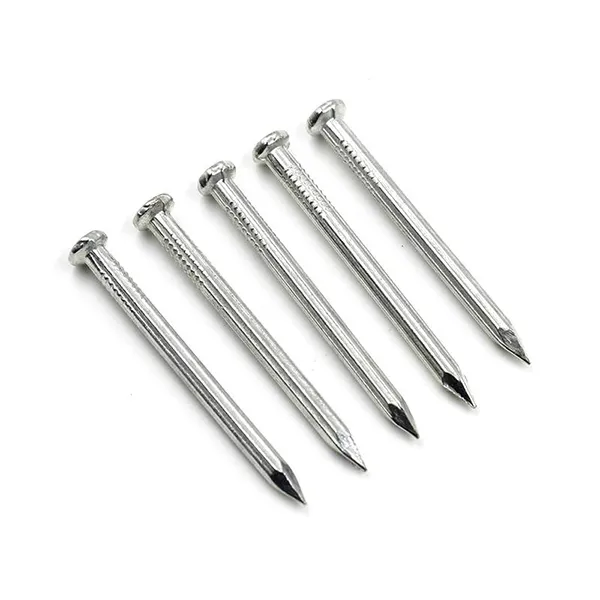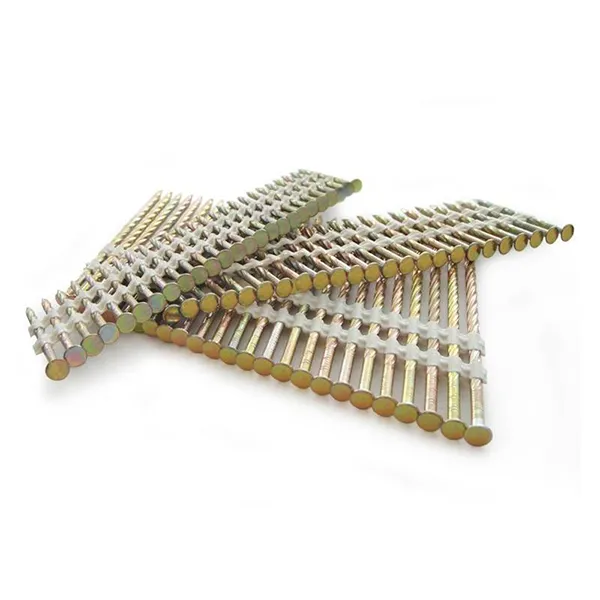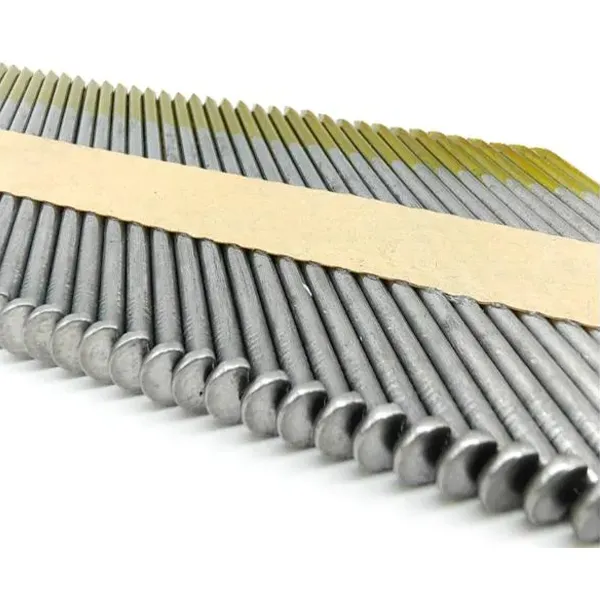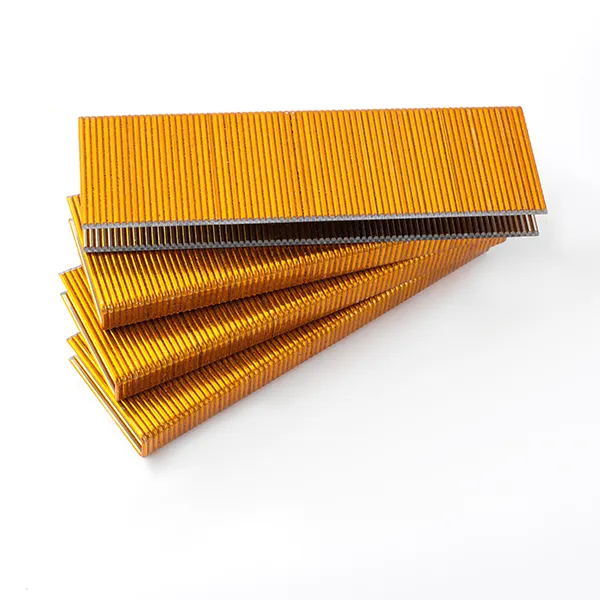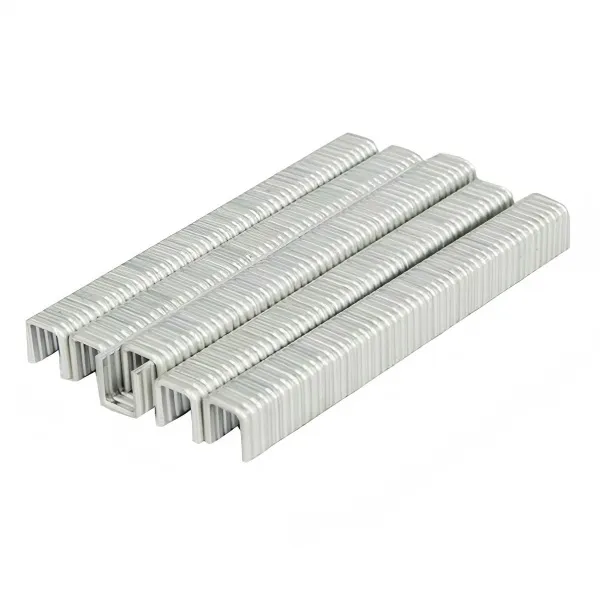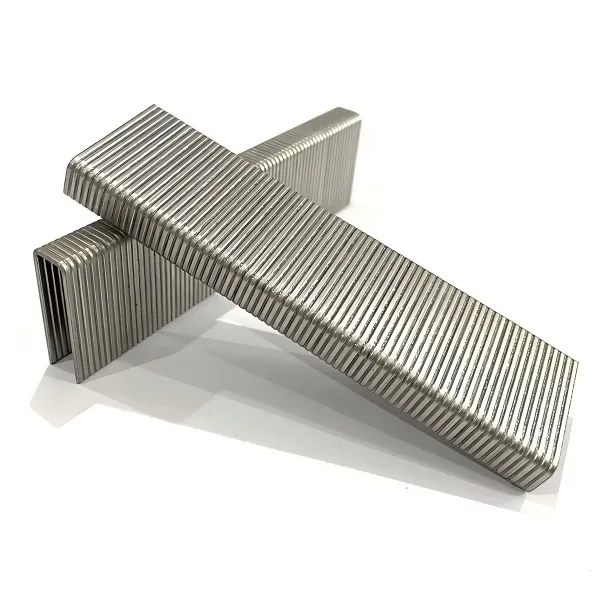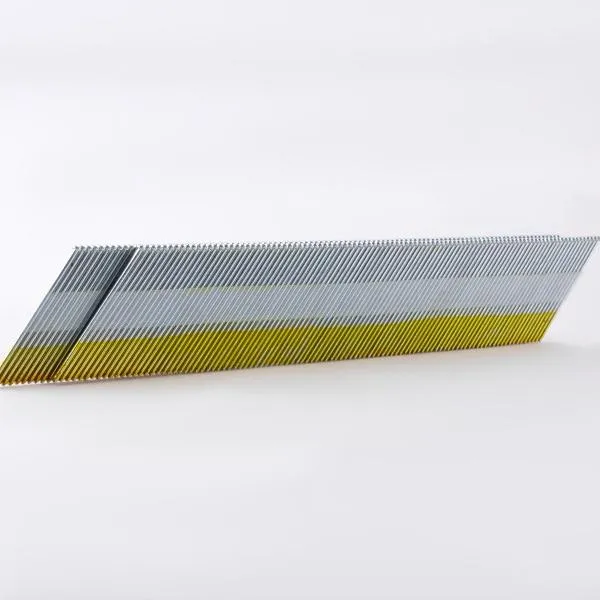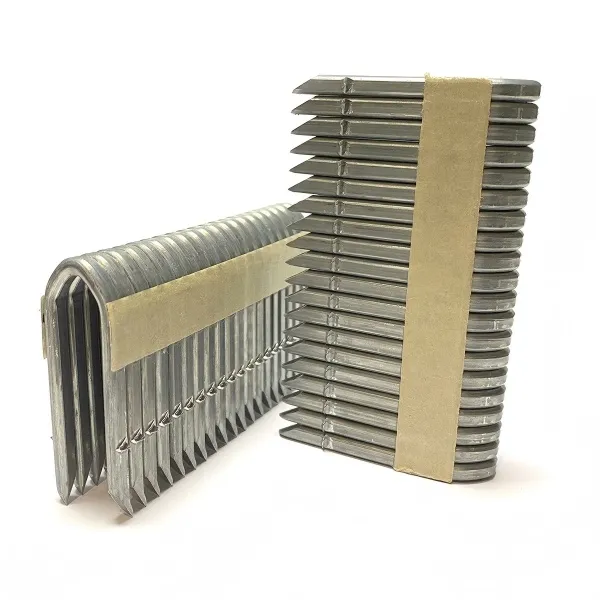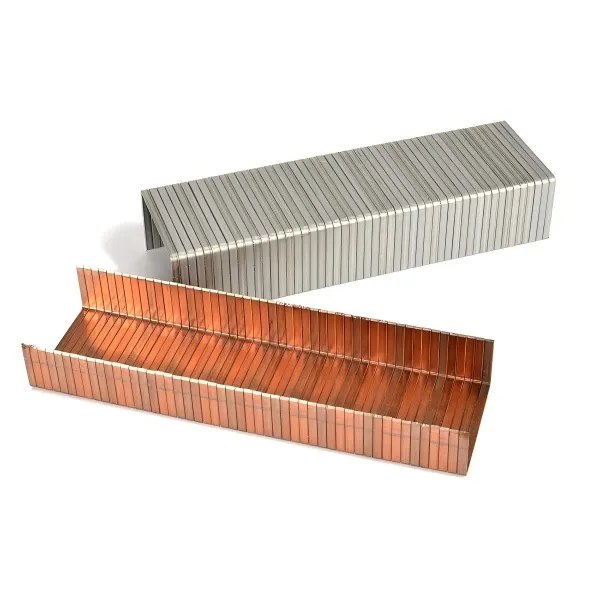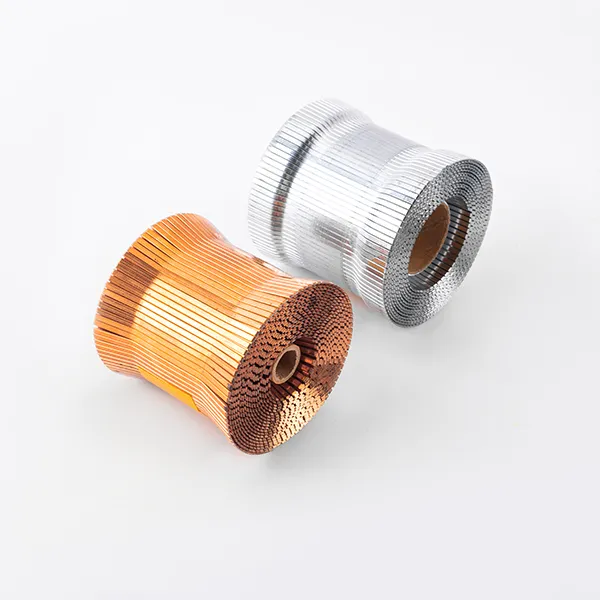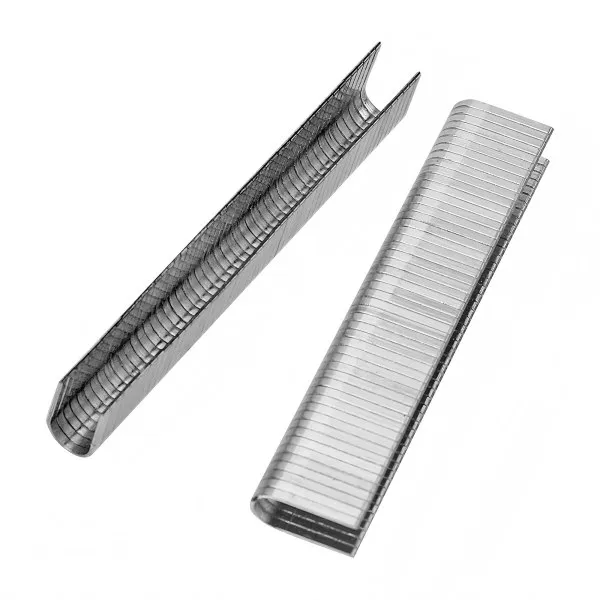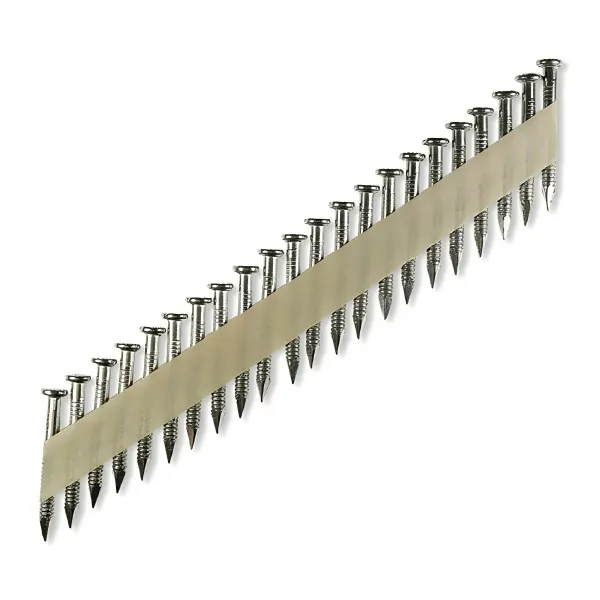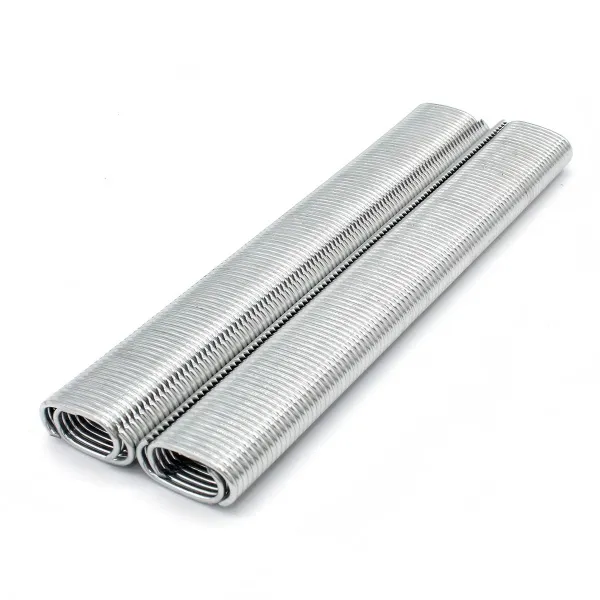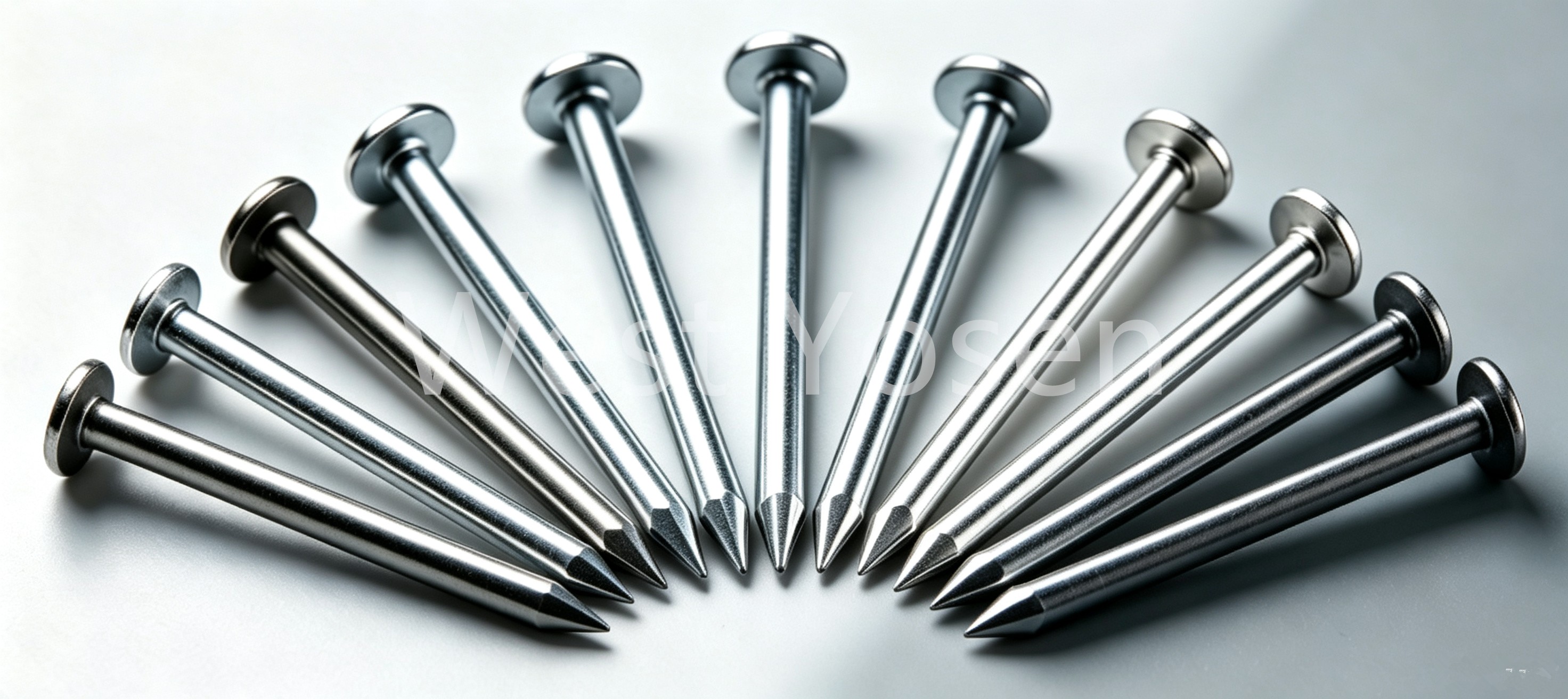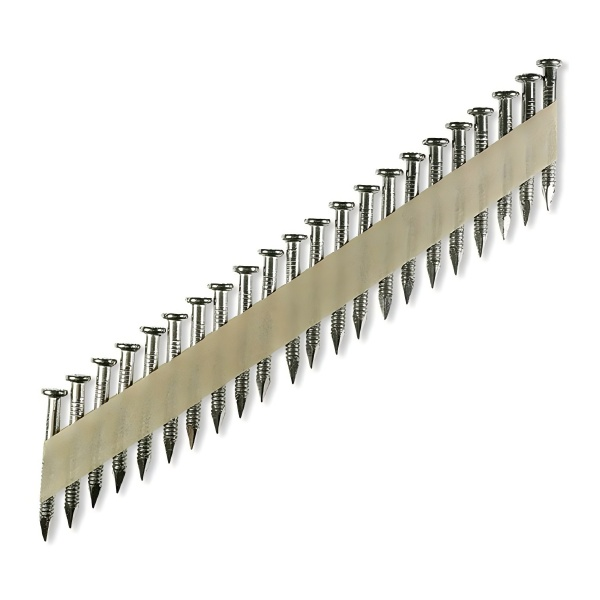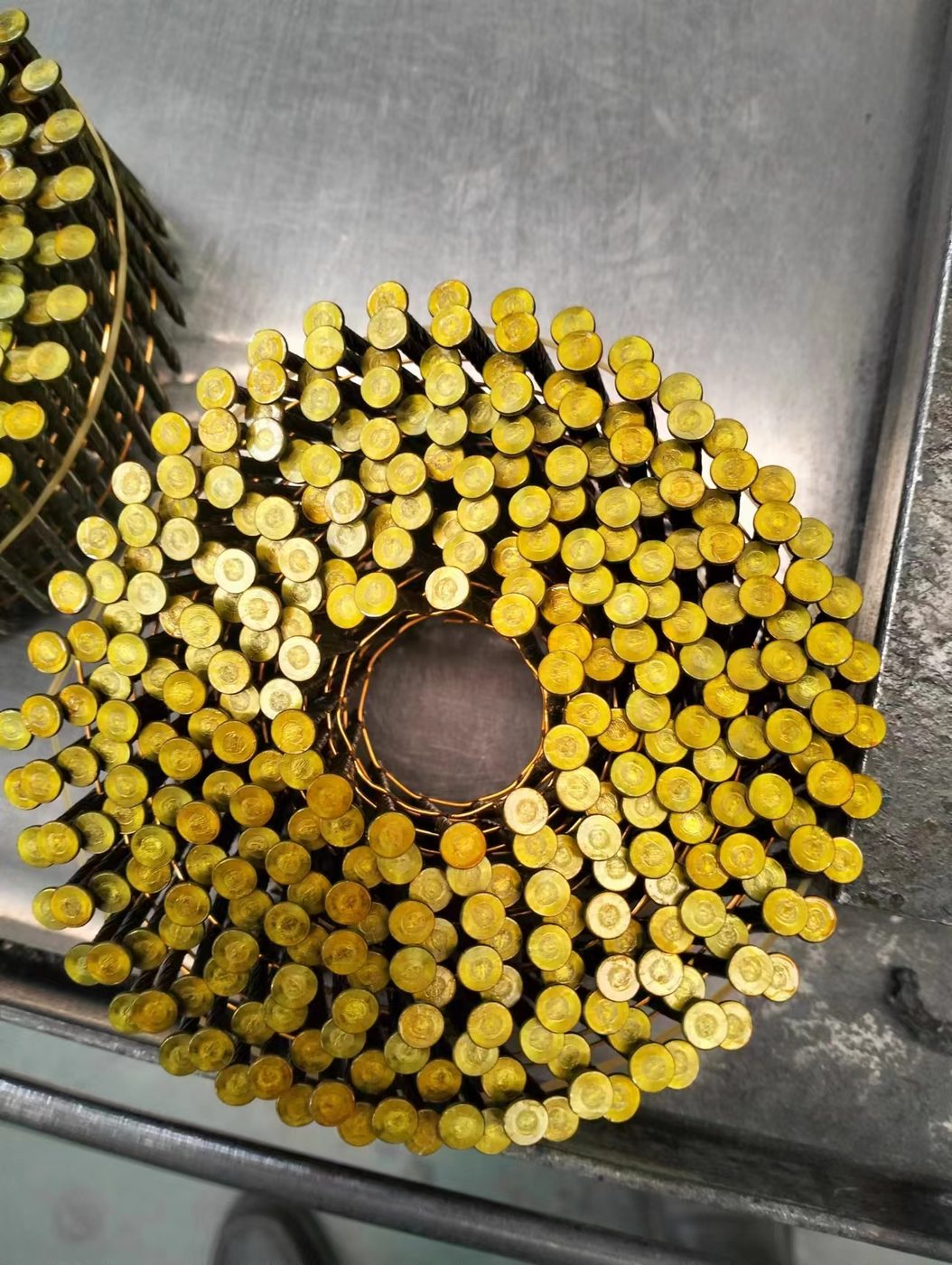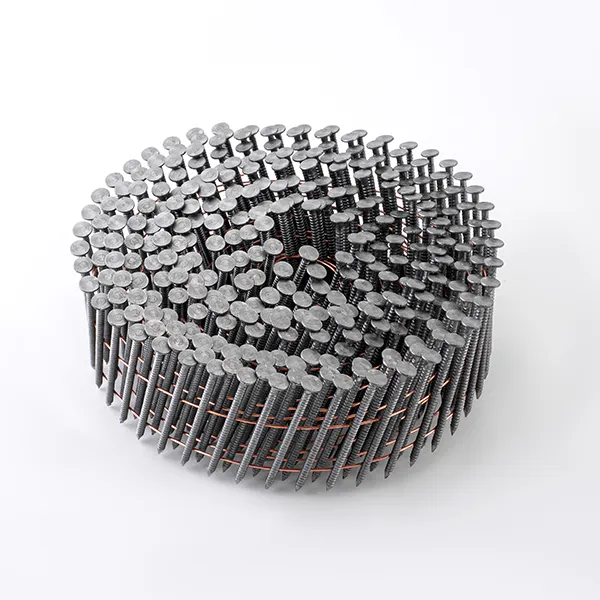
Most people treat nails as simple hardware: the only things that differ are length and thickness. In practice, the quality, durability and real-world performance of a nail have very little to do with its size. They depend on the raw material it is made from.
Two nails of identical dimensions — plain or coil — can differ widely in strength, rust resistance, driving behaviour and service life when they are made from different steel. That is why the same size can suit one job and fail in another, whether the work is construction or pallet making.
Quality varies widely on the market, and most of that variation comes down to material and production method. There is no one-size-fits-all nail; the right choice depends on the job.
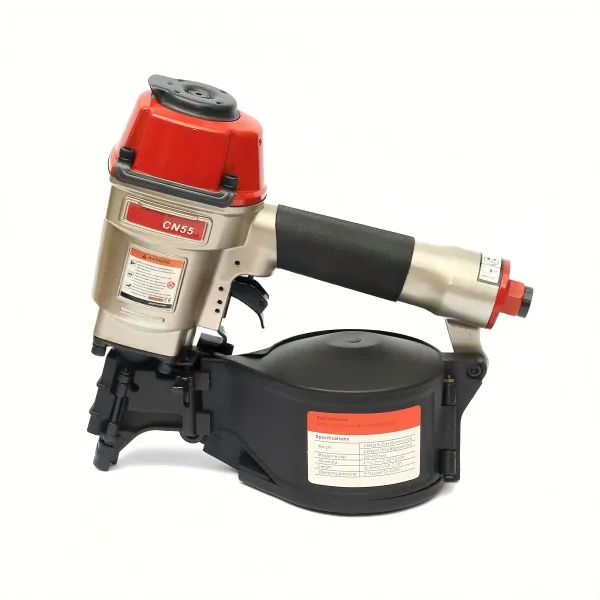
West Yosen exports steel nails, coil nails and pallet nails. We use Q235 steel from large local steel factories. Major steel mills follow strict quality standards, and their material changes very little from batch to batch. That consistency keeps West Yosen steel nails and coil nails stable: they drive without breaking easily and hold up over a long service life.
West Yosen manufactures this range in its own factory rather than sourcing finished nails from other producers, so material control and forming stay in one place.
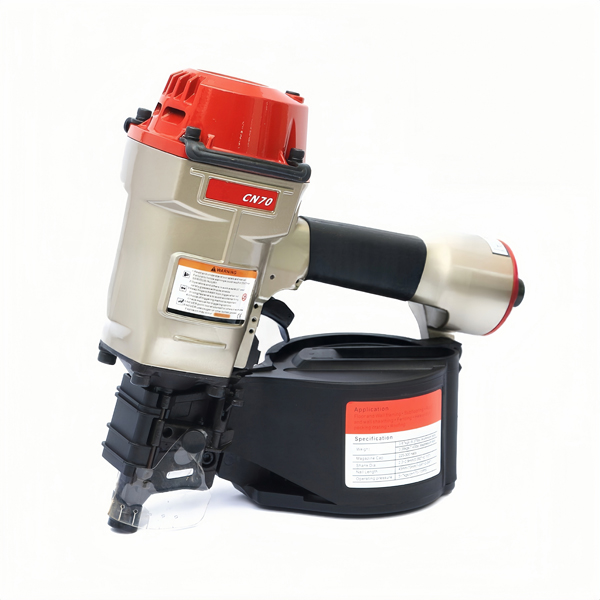
Steel from smaller mills often contains unstable impurities. Even when it is marked Q235, nails made from it frequently break, crack when bent, or jam nail guns during use.
West Yosen buys steel blocks directly from major steel mills, where harmful sulphur (S) and phosphorus (P) levels are kept well below the official limits.
| Large-mill steel (used by West Yosen) | Small-mill steel | |
|---|---|---|
| Sulphur and phosphorus | Well below the official limits | Close to the standard limits |
| Welding and bending | Hard to crack | Can crack or break suddenly during welding, bending or pressing |
| Batch consistency | Every steel nail and coil nail has consistent quality | High waste rate |
Even within Q235, carbon and manganese levels sit anywhere within the permitted ranges, and differences in heating and cooling during production change the finished nail. The result is variation in bending bounce, surface roughness, metal scale and dimensional stability — across steel nails and coil nails alike.
Many buyers compare unit price only and overlook the hidden costs of poor steel. Low-quality nails and coil nails break more often, slow the work down and damage tools, so they end up costing more.
Choose West Yosen steel nails, coil nails and pallet nails. We control steel quality at the source, and good raw material is what keeps pallet production and construction work running without trouble.