Shijiazhuang West Yosen International Trading Co., Ltd.

​Top Questions Answered: Best Nails and Methods for Cement Walls

Navigating the world of masonry fasteners can be confusing, especially with the variety of concrete types and tool options available today. At West Yosen, we believe that a well-informed customer is a successful one. Based on our 10+ years of exporting experience to over 30 international service outlets, we have compiled the most frequently asked questions about nailing into cement and concrete walls.

What Nails Go into Concrete? (Material and Hardness Standards)

Not all steel is created equal. The standard nails used for wood are far too soft for masonry. Understanding material science is the first step. See how these materials perform in real-world scenarios in our Master Guide on Nailing into Concrete Safely.

High-Carbon Steel vs. Standard Iron Nails

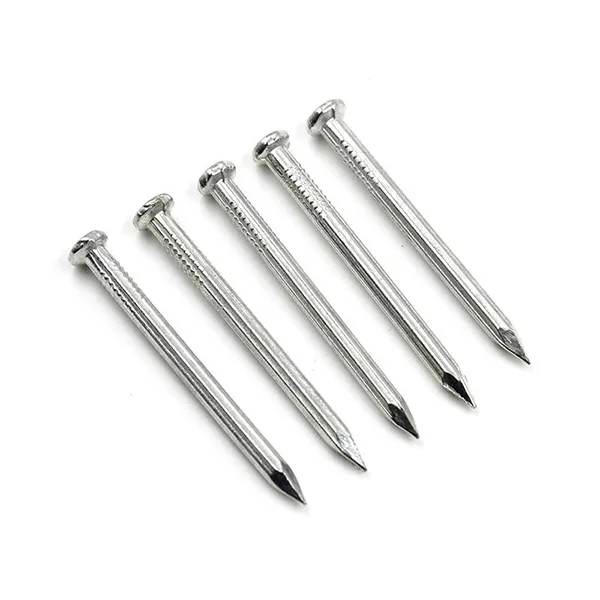
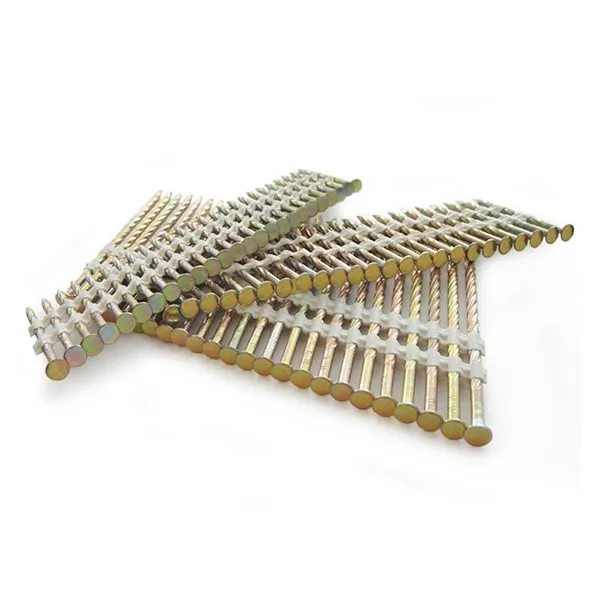
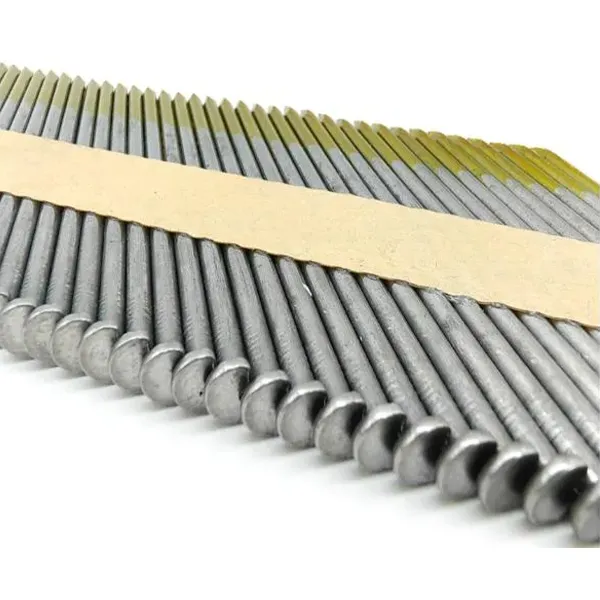
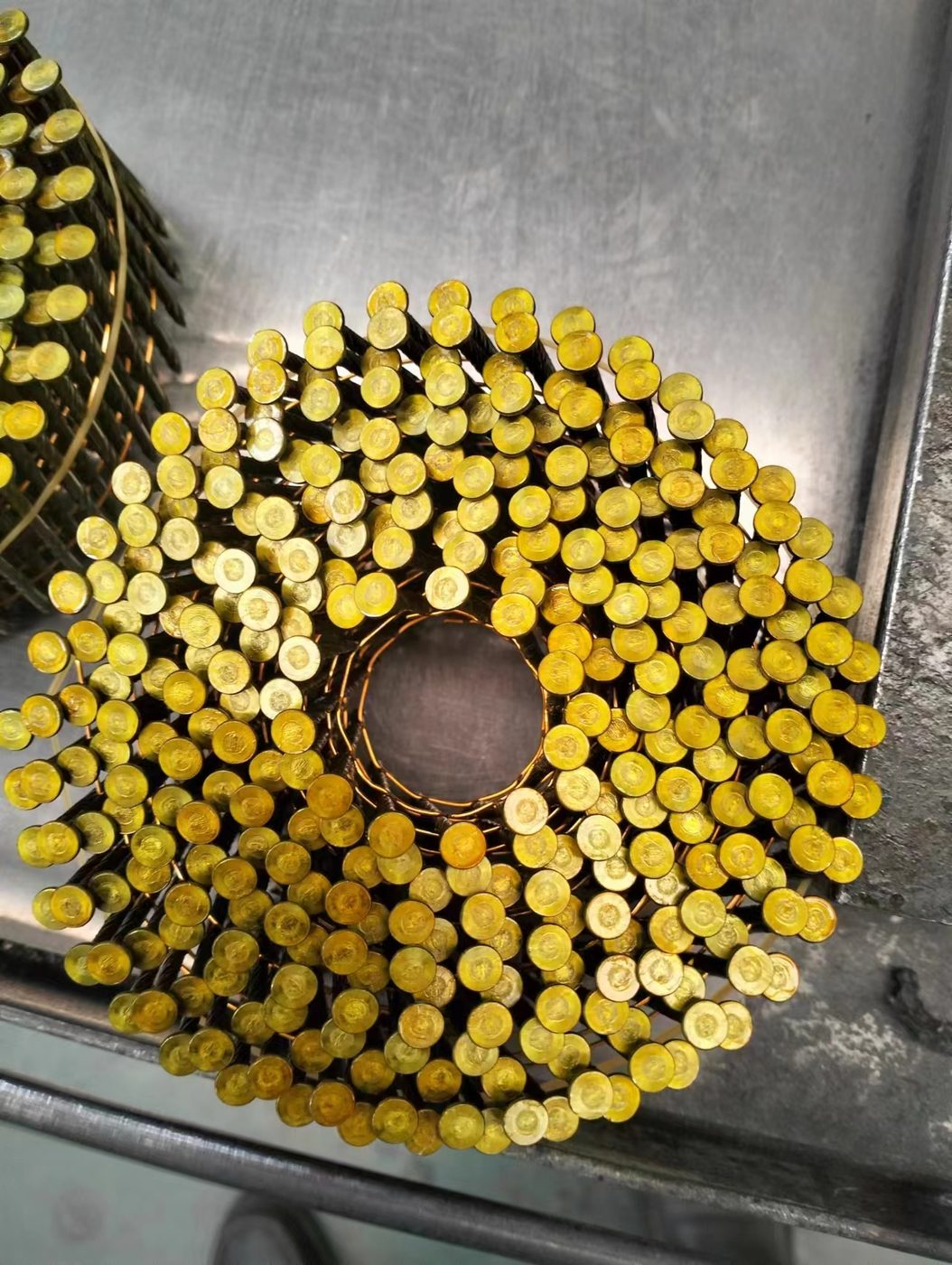
Concrete nails must be made of high-carbon steel. This material undergoes a quenching and tempering process to reach a specific Rockwell hardness (usually HRC 45-52). At West Yosen, our Steel Nails are engineered to be hard enough to penetrate cured cement while maintaining enough “toughness” to prevent snapping under lateral pressure. 

Will Brad Nails Go into Concrete? (The Hard Truth)

This is a common question from DIYers looking to attach thin trim to basement walls. The answer is a definitive no.
Brad nails are typically 18-gauge, very thin, and made of soft steel. If you attempt to fire a brad nail into concrete, it will either:

  • Instantly crumple into a “U” shape against the surface.

  • Kick back toward the operator, creating a safety hazard.

  • Jam your nail gun, potentially damaging the driver blade.
    Recommendation: For thin trim on concrete, use a small amount of construction adhesive paired with a hardened masonry pin or a Concrete T-Nailer. 

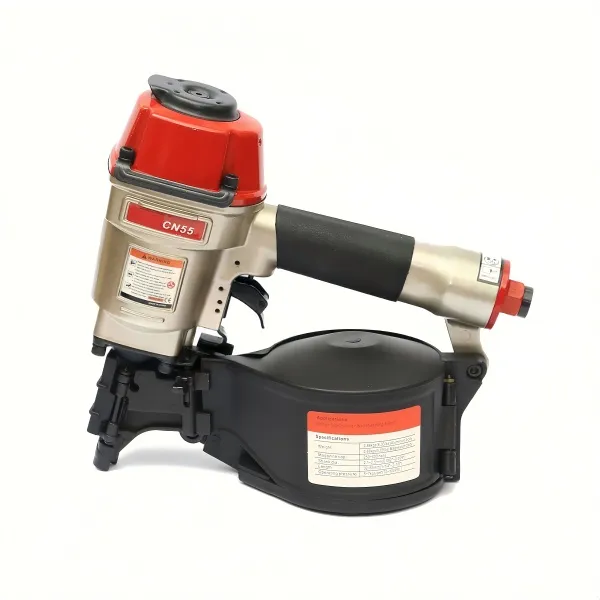
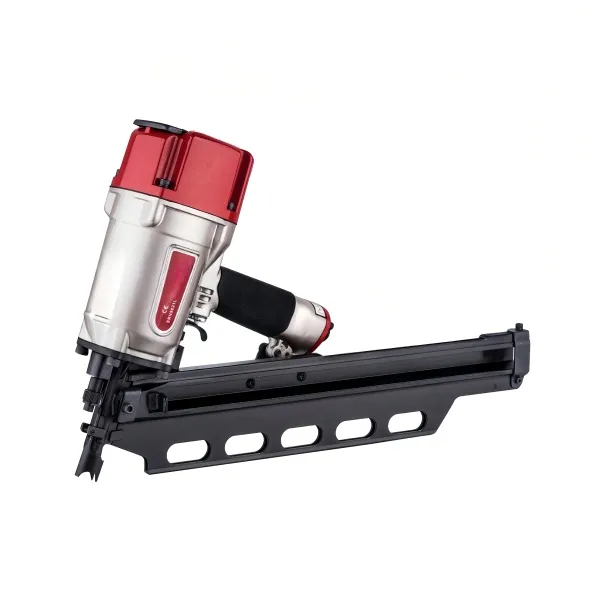
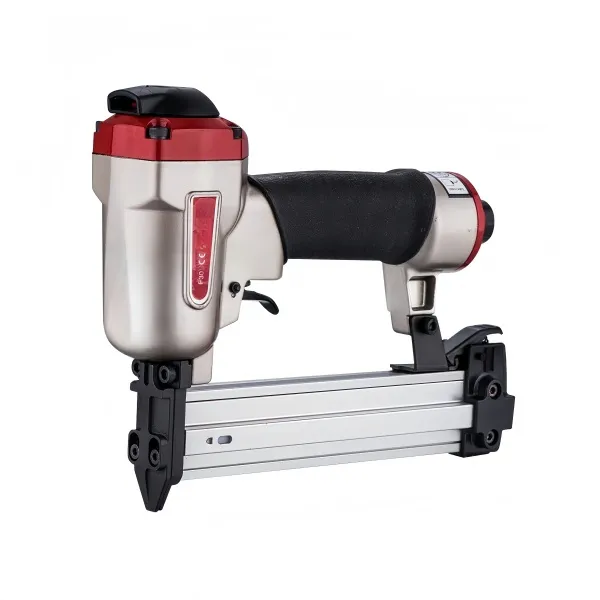
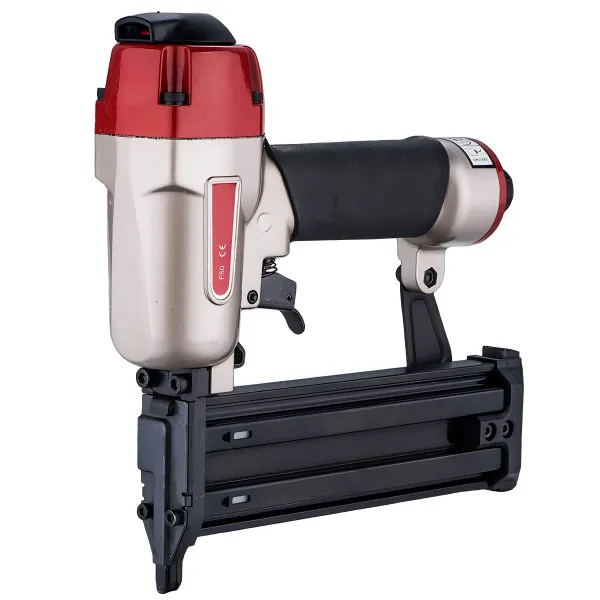
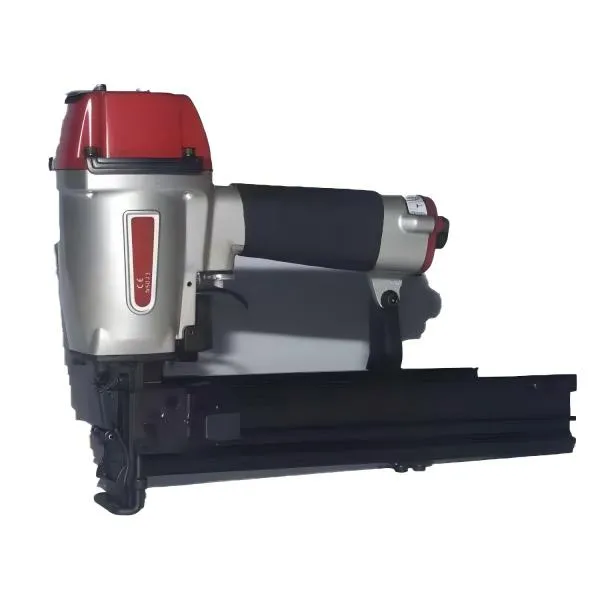
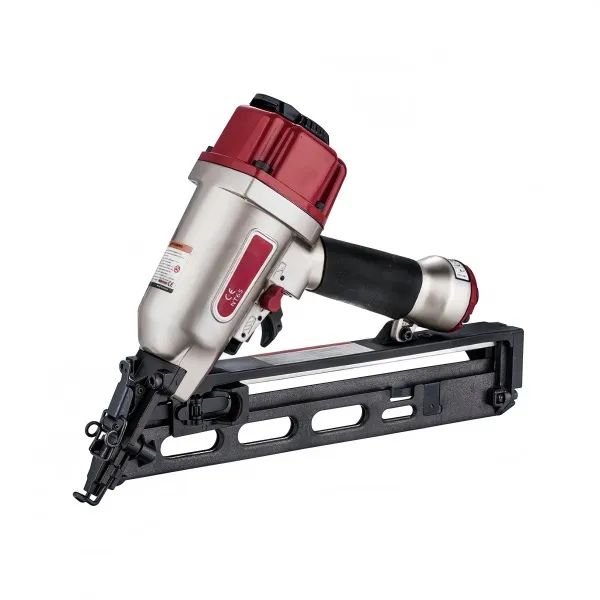
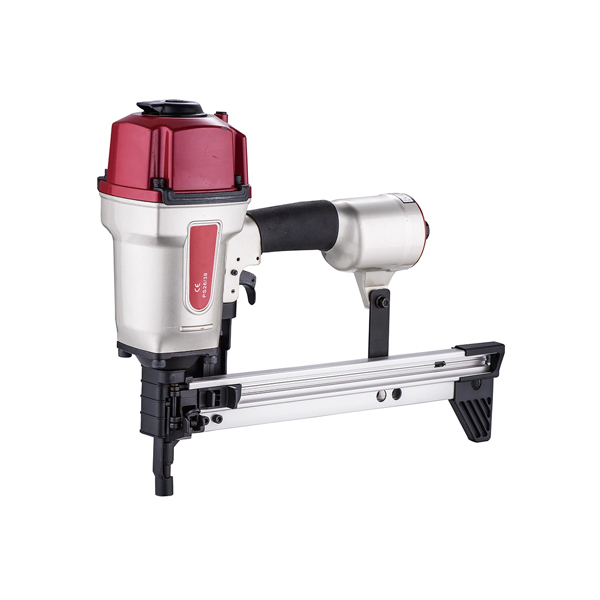
Since brad nails are unsuitable, professional contractors often switch to pneumatic T-nailers. Compare these power tools in our Pneumatic vs. Manual Tools Guide.

How to Put a Nail in a Concrete Wall Without a Drill?

Many people assume a hammer drill and anchors are the only way. However, you can achieve a secure hold without a drill using two methods:

  • Heavy-Duty Masonry Nails: Using a 3-lb hammer and hardened steel fluted nails.

  • Powder-Actuated Tools (PAT): These tools use a small chemical charge (similar to a blank cartridge) to drive a high-strength fastener into the concrete instantly.

Can You Nail into Cinder Blocks vs. Solid Poured Concrete?

Yes, but the technique differs:

Poured Concrete: Requires more force and higher-quality steel. Focus on the center of the wall to avoid edge cracks.

Cinder Blocks: These have hollow cores. For the best grip, try to nail into the “web” (the solid vertical part of the block). If nailing into the hollow section, use a shorter, thicker nail to grip the outer shell.

Technical Specifications Table: West Yosen Steel Nail Parameters

For our industrial clients and distributors, understanding the technical limits of a fastener is essential. Below are the specifications for our standard concrete nail range:

PropertySpecification ValueTesting Standard
Material Grade#45 / #60 High Carbon SteelASTM A510
Hardness (HRC)48 - 54ISO 6508
Tensile Strength750 - 950 N/mm²DIN EN 10002
Coating OptionsZinc Plated, Black, GalvanizedASTM B633
Point StyleDiamond Point / Needle PointIndustry Standard

Maintenance and Longevity: Preventing Rust in Concrete Fasteners

Because concrete can hold moisture, the longevity of your fastener depends on its coating. For interior walls that stay dry, a basic black or bright finish is sufficient. However, for “below-grade” applications (basements) or exterior walls, we recommend Hot-Dip Galvanized or Stainless Steel fasteners to prevent rust-jacking, which can eventually crack the concrete from the inside out.

Expert Advice: Nail or Screw into Concrete? When to Use Which?

While we specialize in nails, we often advise clients on the best choice for their specific load requirements:

  • Use Nails (Concrete T-Nails/Steel Nails): For shear-load applications where speed is vital, such as framing walls, fixing furring strips, or temporary forms.

  • Use Screws (Tapcons/Expansion Bolts): For “tension-load” applications where the object is pulling away from the wall, such as heavy cabinetry or machinery mounting.

If you’ve decided that nails are the right choice for your wood-to-concrete project, follow our Step-by-Step Wood Fastening Guide for the best results.

Conclusion: Partner with an Expert Manufacturer

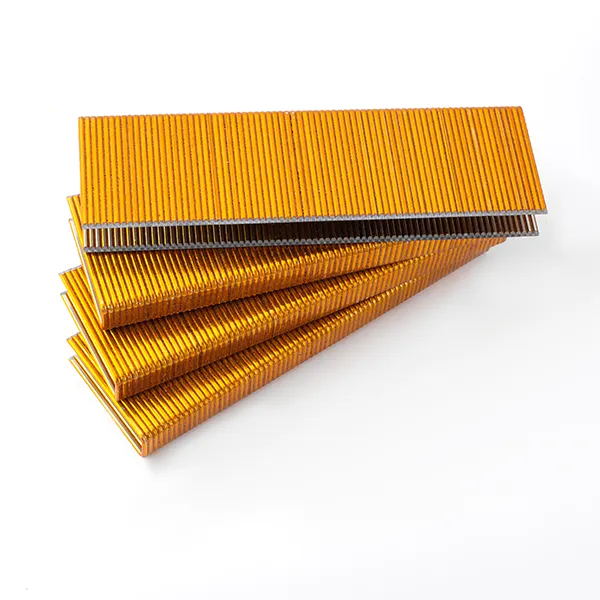
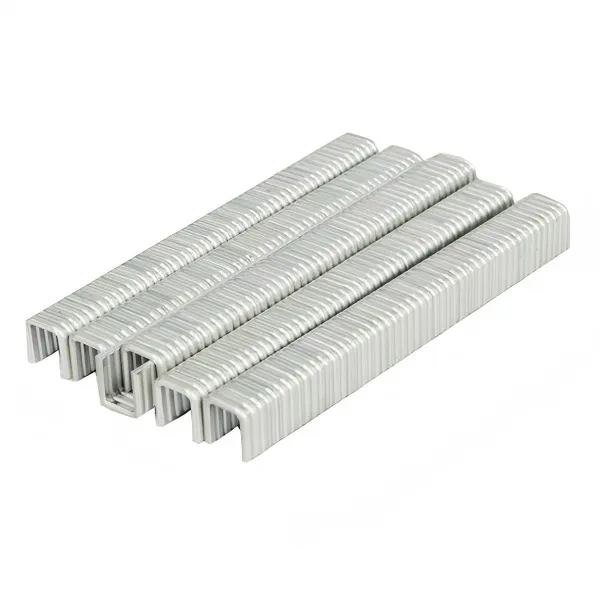
Choosing the right fastener is a science. At West Yosen, we don’t just sell products; we provide solutions backed by a decade of manufacturing excellence. From Industrial Staples to high-velocity Pneumatic Nail Guns, our product range of 500+ items is designed to make your business more competitive in any market.Leveraging our export expertise ensures you receive high-quality fasteners that meet international standards, delivered with the speed your projects demand. Contact West Yosen today for your bulk hardware needs.


PREVv: No information