Fastening materials to masonry surfaces is one of the most challenging tasks for DIY enthusiasts and professional contractors alike. Unlike wood or drywall, concrete is a high-density material that doesn’t yield easily to standard fasteners. Whether you are hanging a picture frame, installing furring strips, or fixing a sill plate, the question remains: How to nail into concrete without cracking the surface or bending the nail?
As a premier hardware products and steel materials manufacturer with over 10 years of experience, West Yosen has helped over 150 global clients select the right tools for the job. In this master guide, we will break down the techniques, tools, and materials required to master nailing into cement and concrete walls, ensuring your construction projects are both durable and professional.
Understanding the Material: Can You Nail into Concrete?
Before picking up a hammer, it is crucial to understand the substrate you are working with. Many people use the terms “cement” and “concrete” interchangeably, but for a construction professional, the distinction is vital for choosing the right fastener and ensuring the structural integrity of the project.
The Difference Between Concrete, Cement, and Cinder Blocks
Cement: It is actually an ingredient—a binding powder—used to make concrete. You don’t “nail into cement” in its pure form; you nail into the cured concrete mixture.
Concrete: A composite of cement, sand, gravel, and water. Once cured, it becomes rock-hard and gains immense compressive strength. Nailing into poured concrete requires high-carbon steel nails specifically hardened for impact.
Cinder Blocks (CMU): These are hollow and often more porous than poured concrete. While it is easier to nail into cinder block walls, the holding power is lower, requiring specialized masonry nails to avoid crumbling the block’s shell.
Why Standard Nails Fail in Masonry
If you have ever asked, “Can I hammer a nail into concrete?” and tried it with a common framing nail, you likely saw the nail bend instantly or the concrete surface shatter. Common nails are made of mild steel, which is too soft for masonry. Concrete nails are manufactured from high-strength, hardened steel (often zinc-coated or galvanized) designed to penetrate the aggregate and cement matrix without snapping or deforming.
For a deeper technical breakdown of fastener materials and hardness standards, see our exhaustive Top 10 Questions Answered: Best Nails for Cement Walls.
Essential Tools for Nailing into Cement Walls
To achieve a professional finish and avoid wasting materials, your tools selection is just as important as your technique. Using the wrong tool can lead to “spalling,” where large chunks of concrete break away from the surface.
Concrete Nails (Masonry Nails) vs. Common Nails
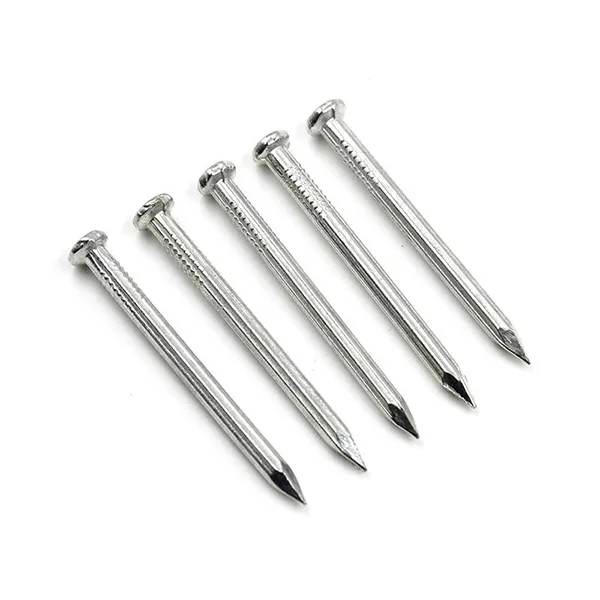
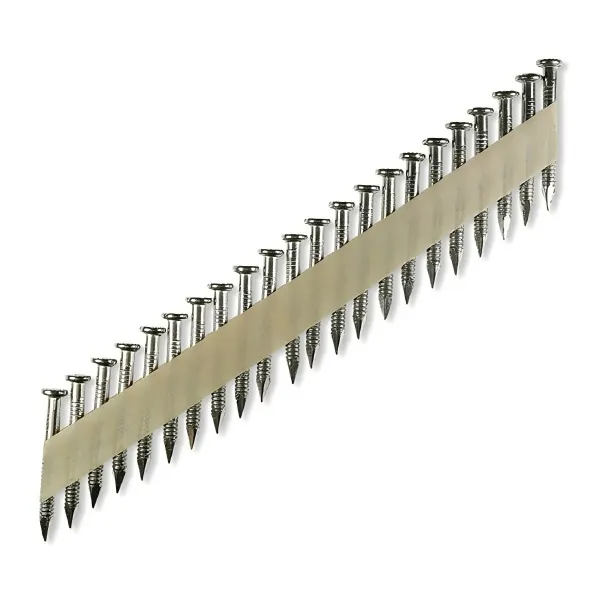
Concrete nails, also known as masonry nails, feature thick shanks and fluted (ribbed) designs. These flutes help the nail “grip” the concrete as it is driven in, providing mechanical friction that a smooth nail lacks. At West Yosen, we provide a wide range of Steel Nails and Concrete Nails designed to withstand high-pressure impact without losing structural integrity.
Choosing the Right Hammer or Pneumatic Tool
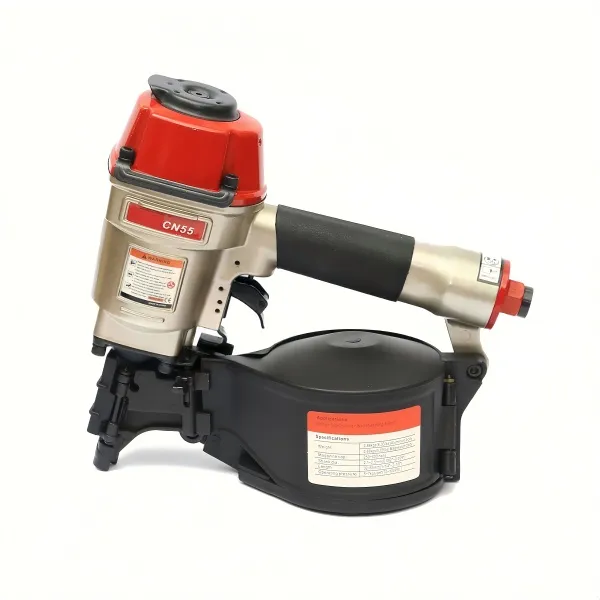
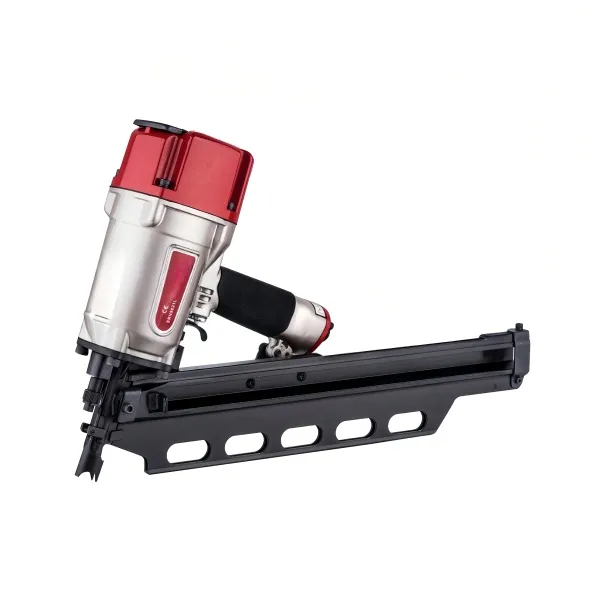
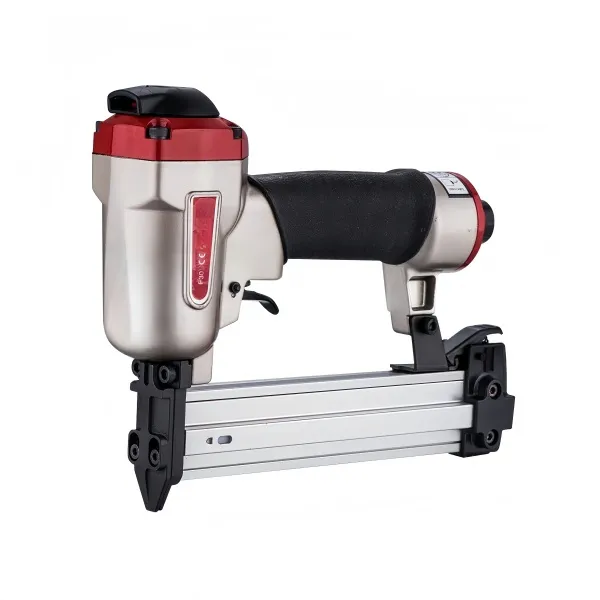
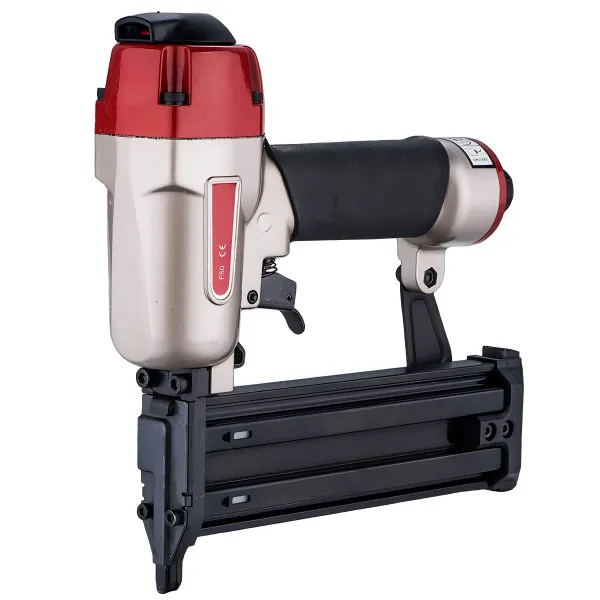
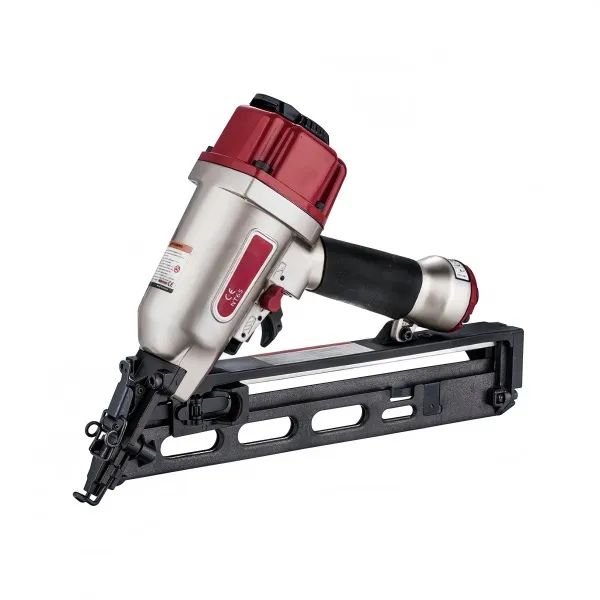
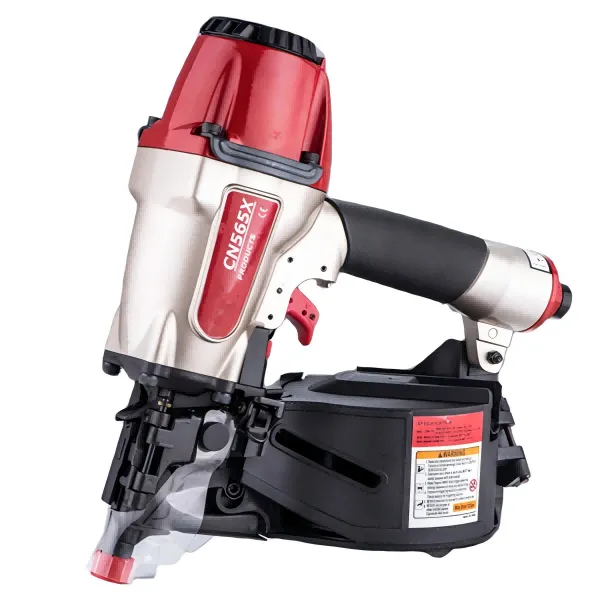
For small tasks, a 3-lb sledgehammer or a heavy-duty framing hammer provides the necessary force. However, for industrial-scale projects, manual hammering is inefficient and leads to higher labor costs.Professional contractors prefer using a specialized Concrete Nailer. Using air-powered tools significantly reduces the risk of concrete damage. If you are looking for high-performance equipment to streamline your workflow, check out our guide on Leading Pneumatic Nail Gun Manufacturers & Suppliers Worldwide to understand how air pressure and tool design optimize the fastening process.
If you’re deciding whether to use muscle or machine for your next project, read our detailed comparison: Manual Hammering vs. Pneumatic Nailing.
Step-by-Step: How to Nail into Concrete Manually (The Professional Way)
While power tools are preferred, many smaller jobs require manual installation. To nail into concrete without a drill, you must follow a precise method to ensure the nail drives straight and stays secure.
Select the Correct Fastener: Use a hardened steel masonry nail. The nail should be long enough to penetrate at least 3/4 inch to 1 inch into the concrete after passing through the material you are attaching.
Safety First: Always wear impact-resistant safety goggles. When a steel nail strikes concrete, small, razor-sharp shards of stone or steel can fly off at high speeds.
Position and Set: Hold the nail with a pair of pliers rather than your fingers. This protects your hand and allows for a steadier grip. Place the point on your mark and give it a few light “set” taps to create a small indentation.
Drive with Authority: Once the nail is set, use heavy, square strikes with your hammer. You want to minimize the number of blows; the fewer the strikes, the less likely the concrete is to vibrate and crack.
Check for Grip: If the nail feels “mushy” or rotates, the concrete has likely crumbled inside. In this case, you may need to move the nail location slightly or switch to a thicker gauge fastener.
Advanced Methods: Using a Concrete T Nailer for Efficiency
When your project involves nailing wood to concrete—such as 2x4 studs for a basement wall or furring strips for insulation—manual hammering becomes exhausting and prone to error. This is where Pneumatic Nail Guns become a game-changer for productivity. When your project specifically involves structural framing or flooring, mastering the How to Nail Wood to Concrete workflow is essential.
Benefits of Air Concrete Nailers in Heavy Construction
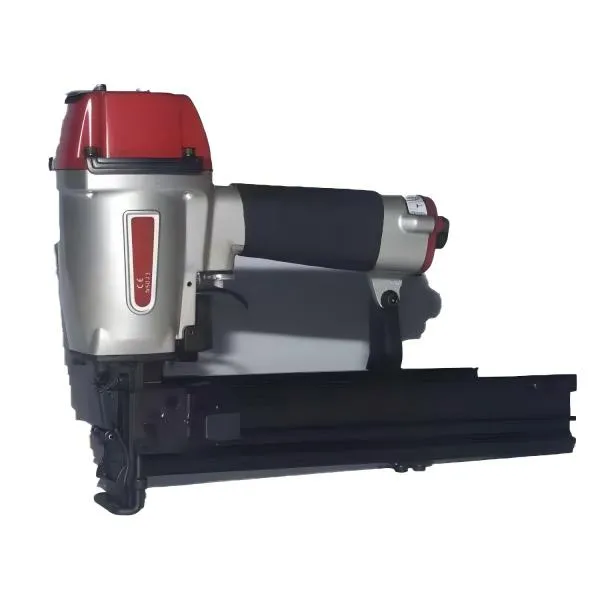
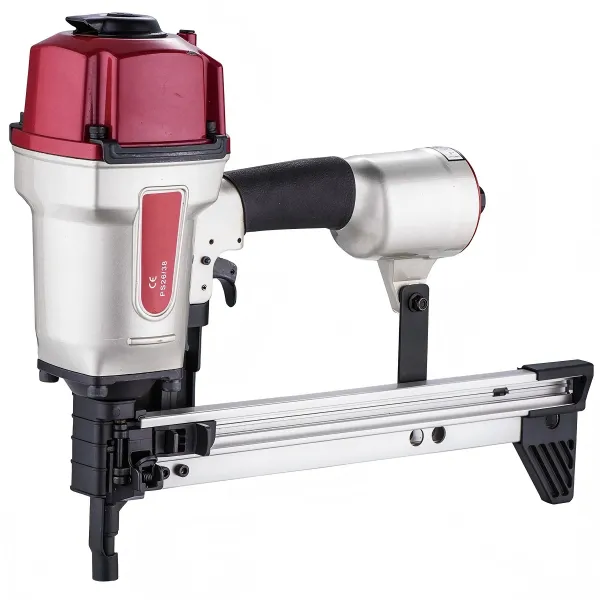
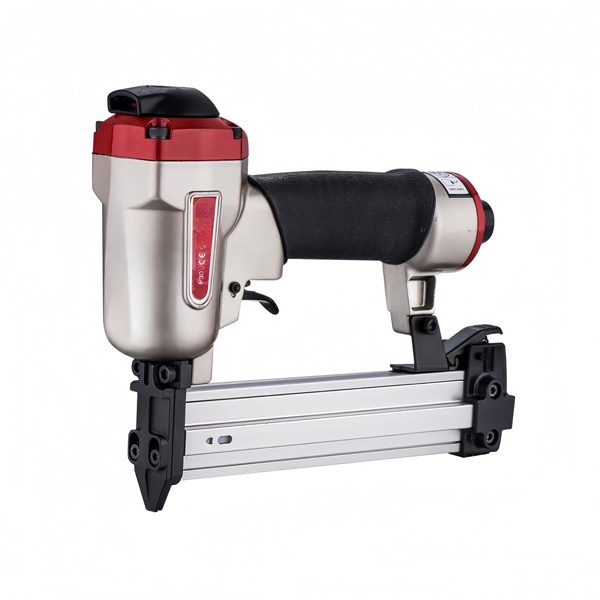
For high-volume work, an Air Concrete T Nailer (such as our ST64 model) is indispensable. These tools use compressed air to “shoot” the nail into the substrate in milliseconds.
Speed and Scale: A pneumatic gun can drive fasteners 10x faster than manual hammering, which is critical for meeting tight construction deadlines.
Precision and Depth Control: Most professional nailers allow you to adjust the drive depth, ensuring the nail head sits flush without over-penetrating.
Structural Integrity: The rapid, singular impact of a pneumatic nailer minimizes the vibration that usually causes concrete walls to crack or “blow out.”
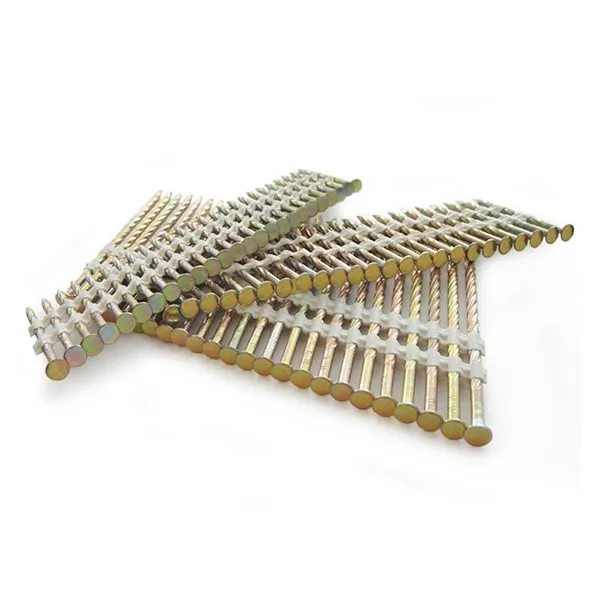
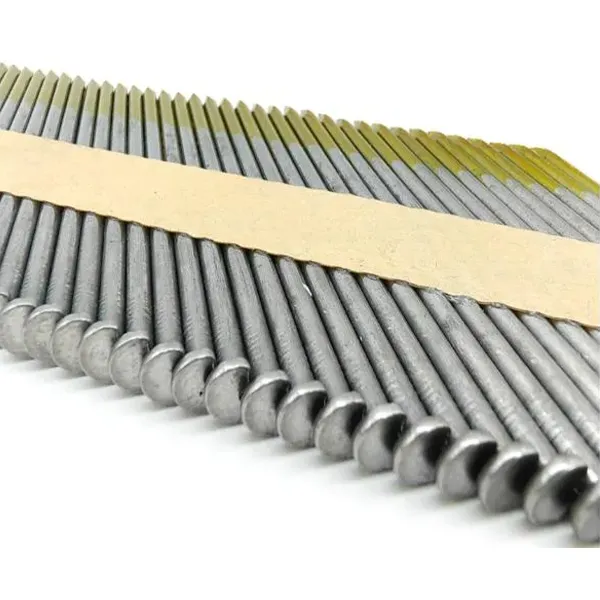
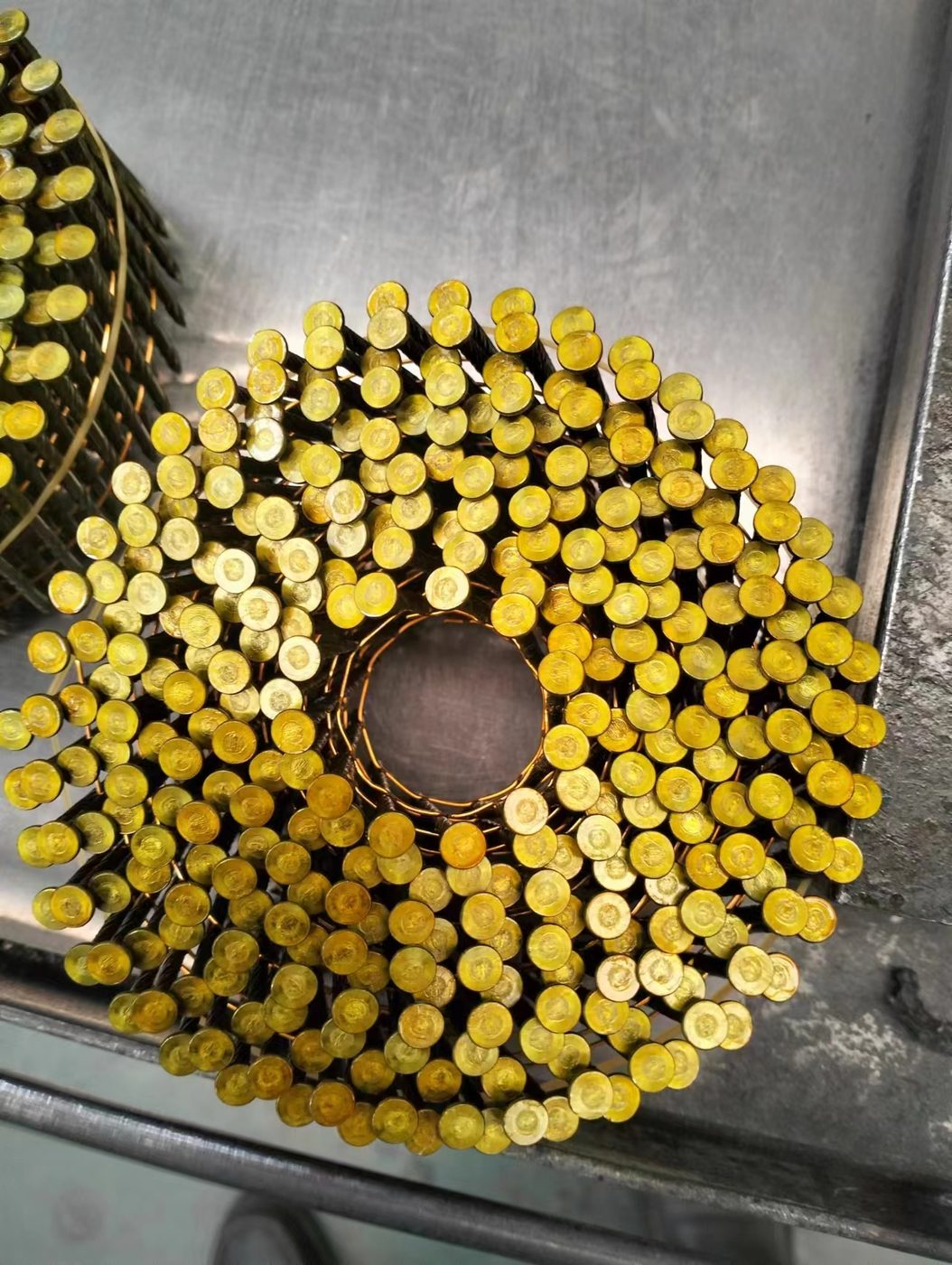
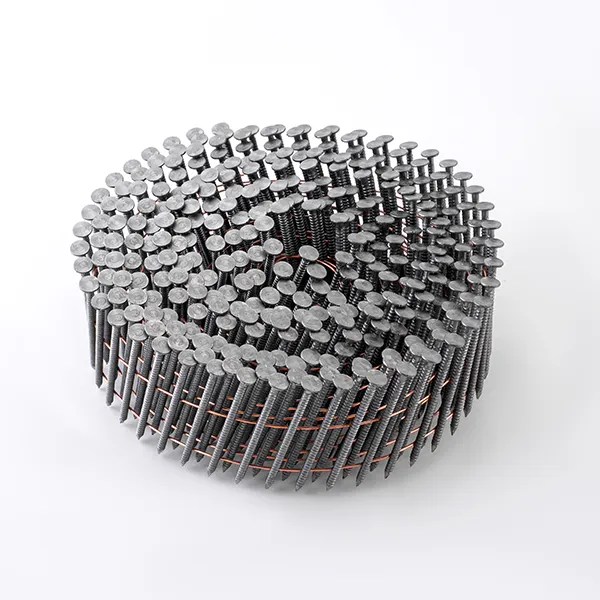
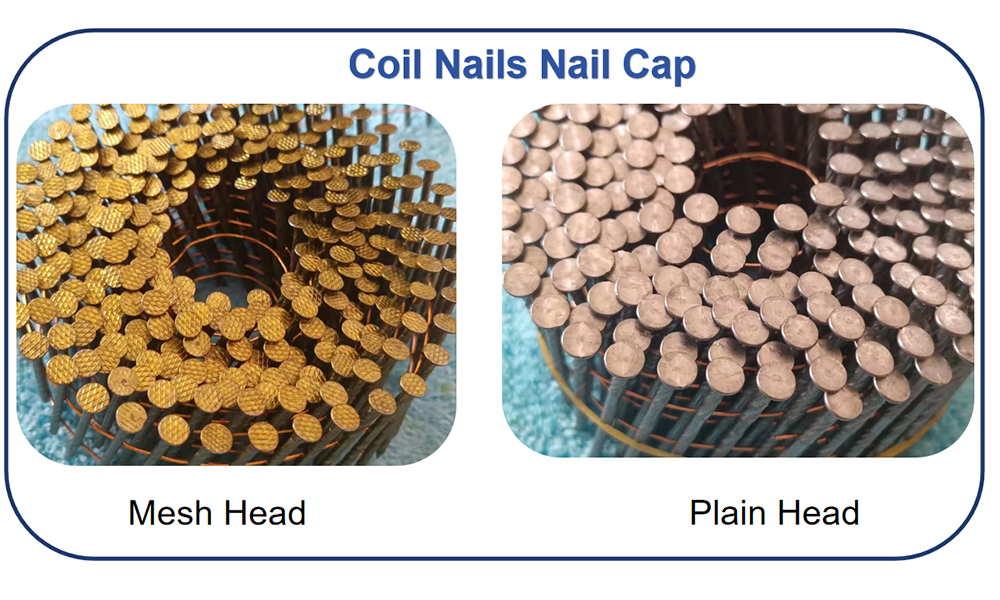
For those managing large-scale pallet or building construction, pairing these guns with high-quality products from Top Coil Nails Manufacturers & Suppliers ensures a seamless workflow with zero jamming and maximum holding power.
Comparison Table: Choosing the Right Fastener for Different Concrete Types
Selecting the wrong fastener can lead to structural failure or surface damage. Use the technical table below to guide your fastener selection based on your specific project needs.
| Fastener Type | Best Application | Substrate Type | Key Advantage |
|---|
| Hardened Steel Nails | Hanging light fixtures, trim | Cinder block, soft concrete | Cost-effective; no power required |
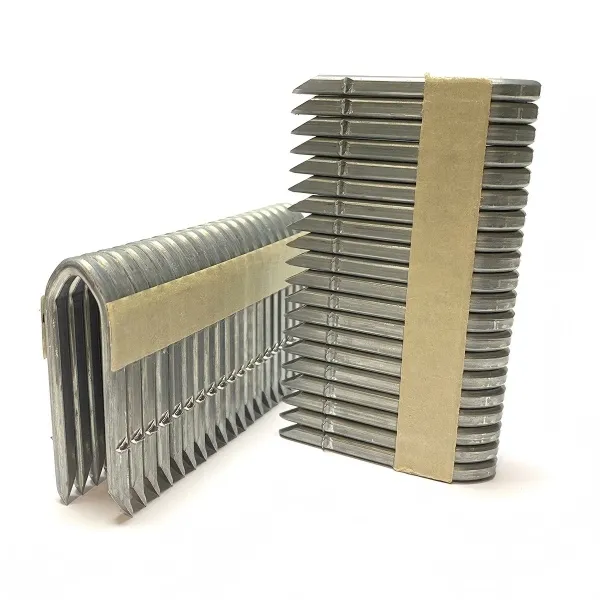
| Concrete T Nails | Wood-to-concrete framing | Poured concrete, slabs | Extreme holding power; high speed |
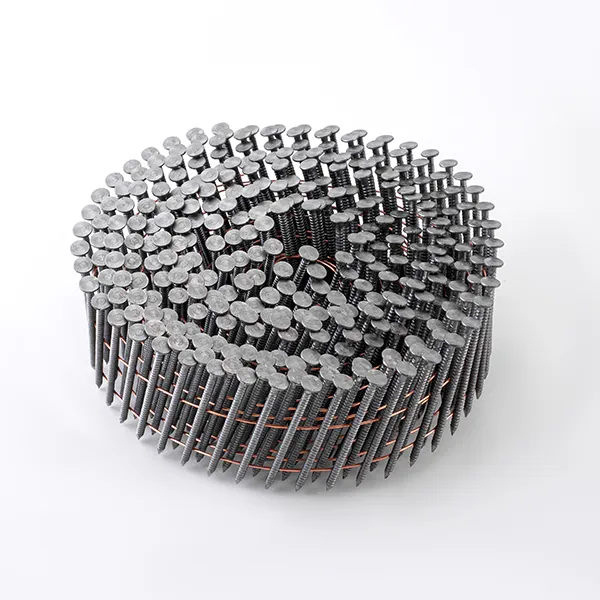
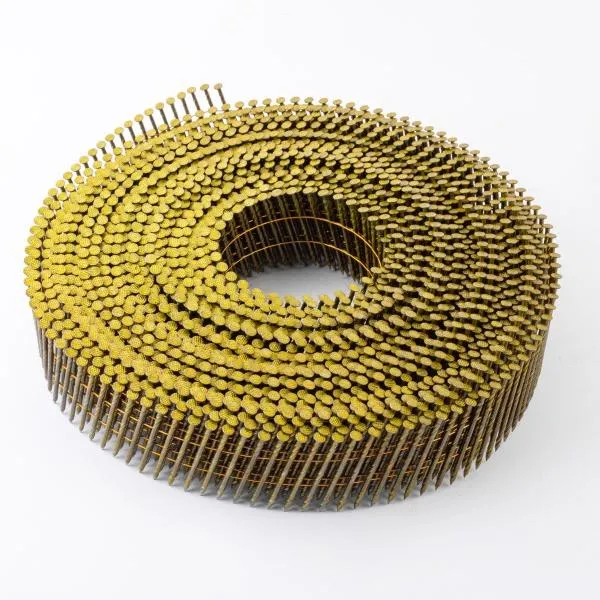
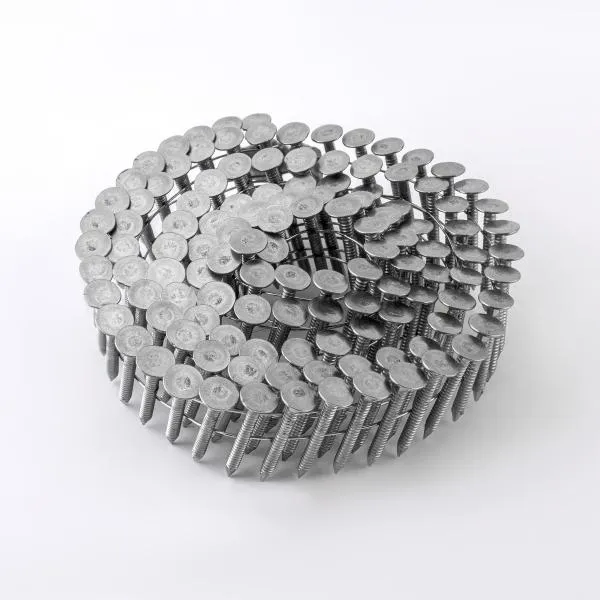
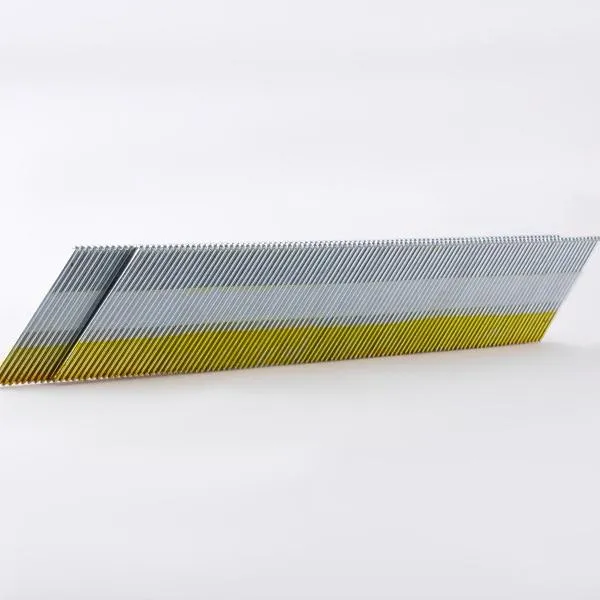
| Galvanized Coil Nails | Outdoor construction | Road and bridge wood forms | Corrosion resistant; high volume |
| Expansion Bolts | Heavy machinery, shelving | Solid stone, aged concrete | Maximum weight capacity; removable |
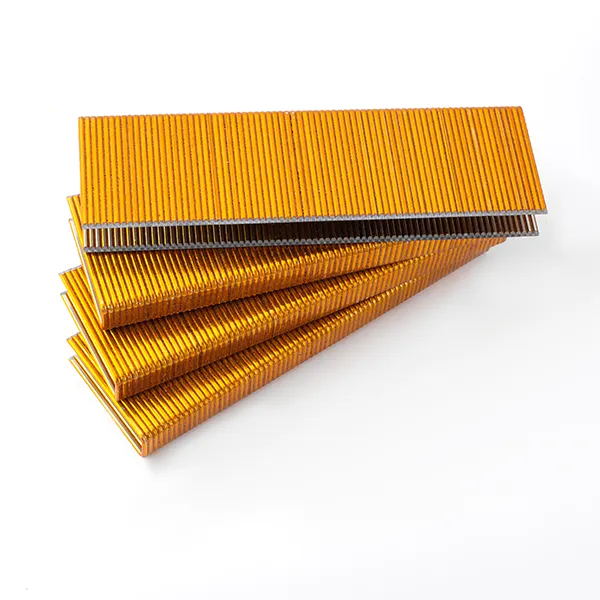
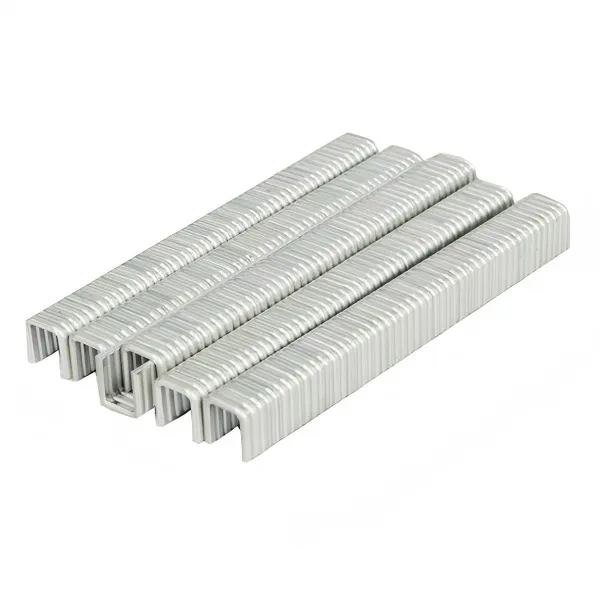
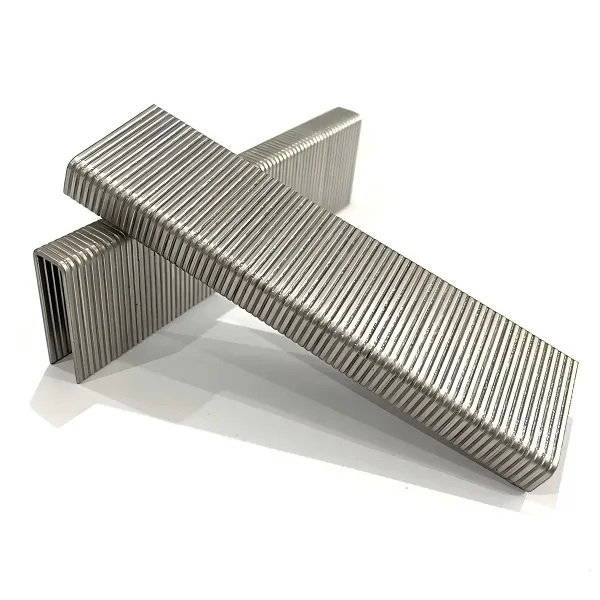
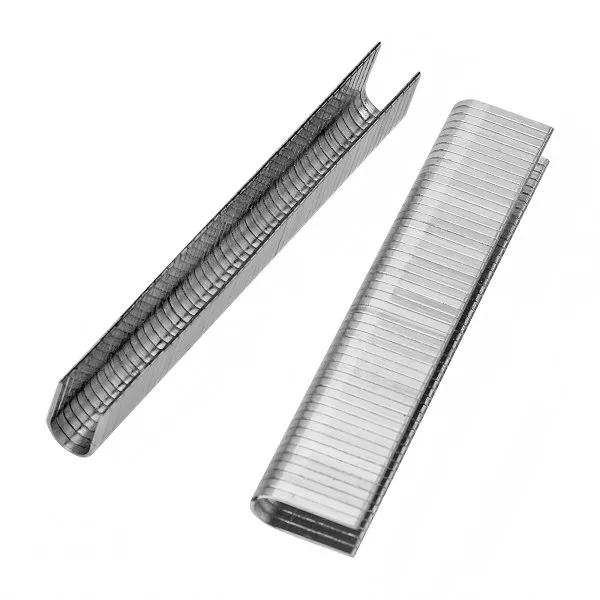
| Stainless Steel Staples | Upholstery, thin cladding | Lightweight concrete | Rust-proof; discreet finish |
Pro Tips for Preventing Concrete Cracking and Ensuring Grip
Even with the best Steel Nails, concrete can be temperamental due to its brittle nature. Here are three professional tips from the West Yosen engineering team to ensure your project stays intact:
Respect the Edge Distance: Never drive a nail within 3 to 4 inches of the edge of a concrete slab or wall. The lateral pressure will almost certainly cause the corner to “spall” or blow out, ruining the aesthetics and the grip.
Understand the “Cure” Time: Attempting to nail into “green” concrete (concrete that has been poured but not fully cured for 28 days) is easier but can lead to the nail loosening as the concrete finishes shrinking. For the best grip, wait until the concrete is fully cured.
The Wood-to-Concrete Sandwich: When nailing a 2x4 to a floor, the nail must penetrate deep enough to reach the solid aggregate. If you are using a 1.5-inch thick board, use a 2.5-inch to 3-inch nail. This ensures at least an inch of “bite” into the concrete.
Conclusion: Why Quality Fasteners Matter for Your Business
Successfully nailing into concrete requires more than just muscle; it requires the right metallurgy and engineering. Low-quality nails lead to bent steel, wasted time, and potential safety hazards on the job site. Since 2010, West Yosen has been at the forefront of the hardware industry, supplying high-quality steel nails, industrial staples, and pneumatic tools to over 150 cooperative clients globally.
Our mission is to make your business more competitive by providing fasteners that don’t fail under pressure. Whether you need bulk Common Nails, Concrete T Nailers, or specialized Coil Nails, West Yosen ensures fast delivery and top-tier quality through our 30+ international service outlets.
Ready to upgrade your construction supplies? Explore our full range of hardware products and see why we are the trusted partner for building, road, and bridge construction projects worldwide.