Shijiazhuang West Yosen International Trading Co., Ltd.

How to Nail Wood to Concrete: From Framing to Finishing

One of the most frequent challenges in construction is creating a secure bond between two vastly different materials: wood and concrete. Whether you are framing a basement, installing subfloors, or attaching decorative trim to a cement wall, the success of the project relies on selecting the right fastening system. As a specialized manufacturer of steel materials and hardware, West Yosen provides the industrial-grade fasteners needed to bridge the gap between wood and masonry. This guide details the professional steps for a permanent, secure installation.

Common Challenges: Why Nailing 2x4s to Concrete is Tricky

Wood is organic and flexible; concrete is mineral-based and rigid. Over time, wood expands and contracts with humidity, which can loosen traditional fasteners. Additionally, nailing 2x4s manually often leads to “bounce back,” where the energy of the hammer blow is absorbed by the wood rather than being transferred to the nail point, resulting in a nail that is only halfway driven.

Step-by-Step: How to Nail Studs into Concrete Floors

While this guide focuses on wood applications, you can review the fundamental safety precautions and material differences in our Definitive Guide to Concrete Fastening. Framing walls on a concrete slab (slab-on-grade) requires a specific workflow to ensure the “sill plate” (the bottom wood piece) is immovable.

Preparing the Surface

Before nailing, ensure the concrete is clean and dry. In many regions, building codes require a sill sealer (a thin foam gasket) or pressure-treated lumber for any wood-to-concrete contact to prevent moisture wicking and rot.

Using Coil Nails and Framing Nailers for Subfloors

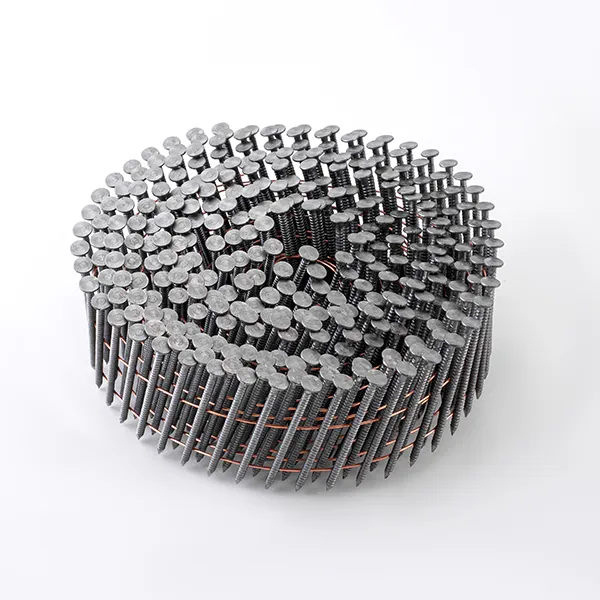
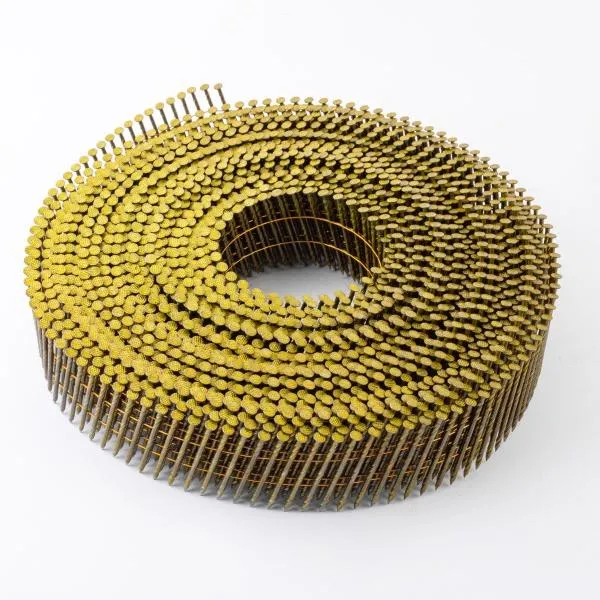
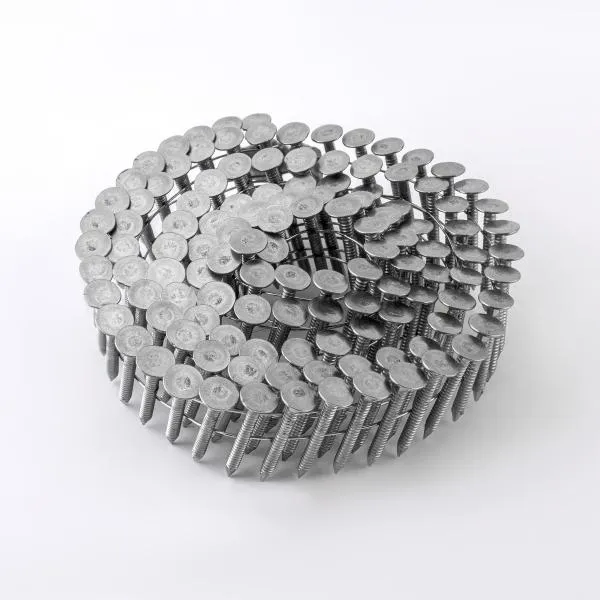
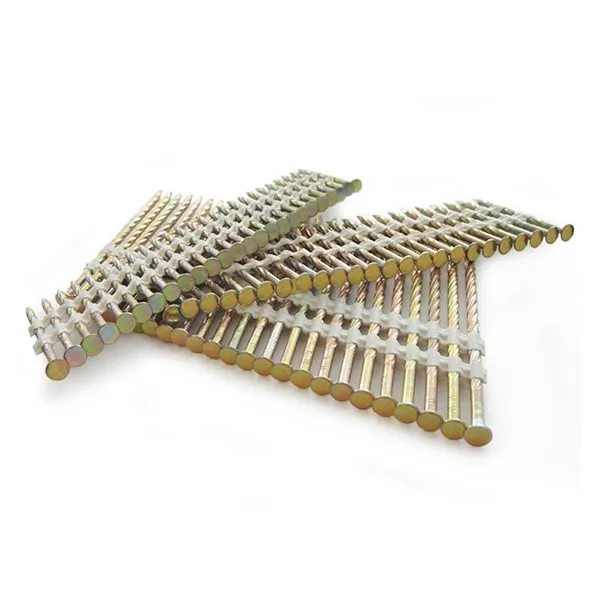
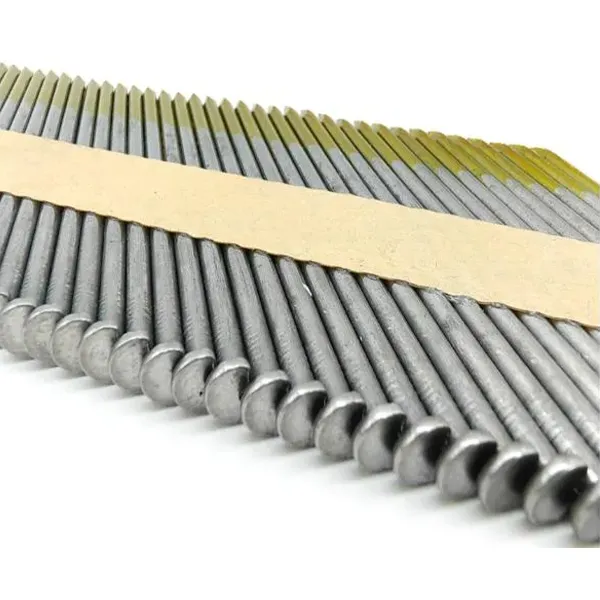
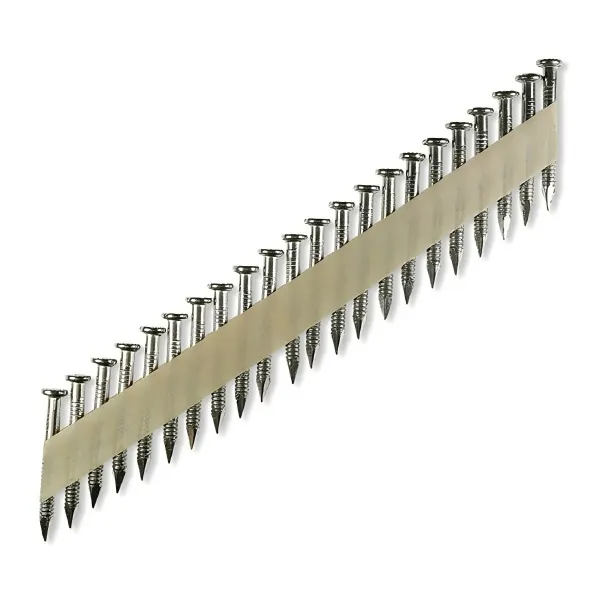
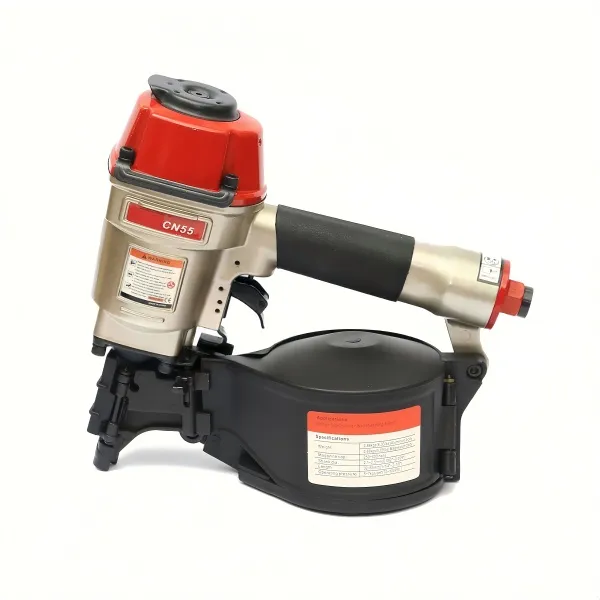
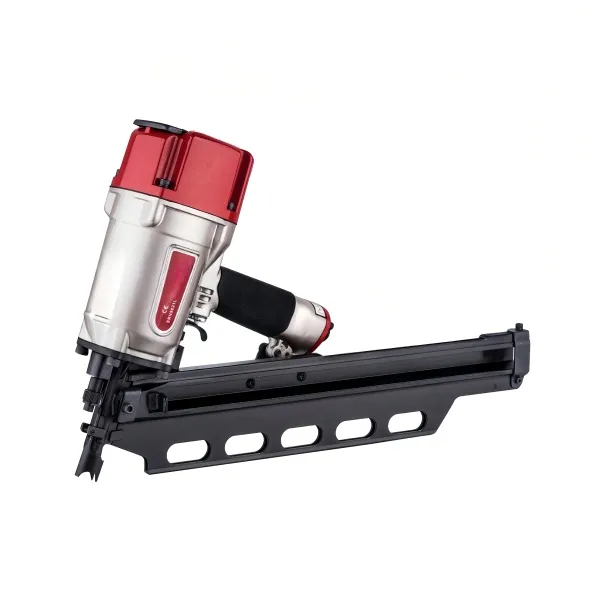
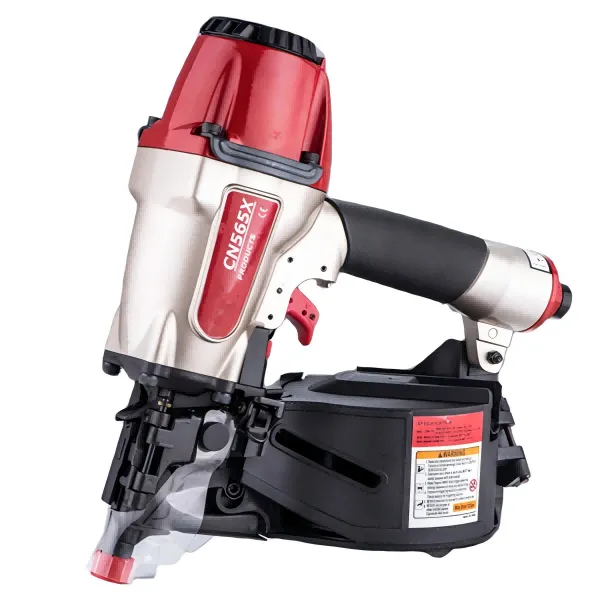
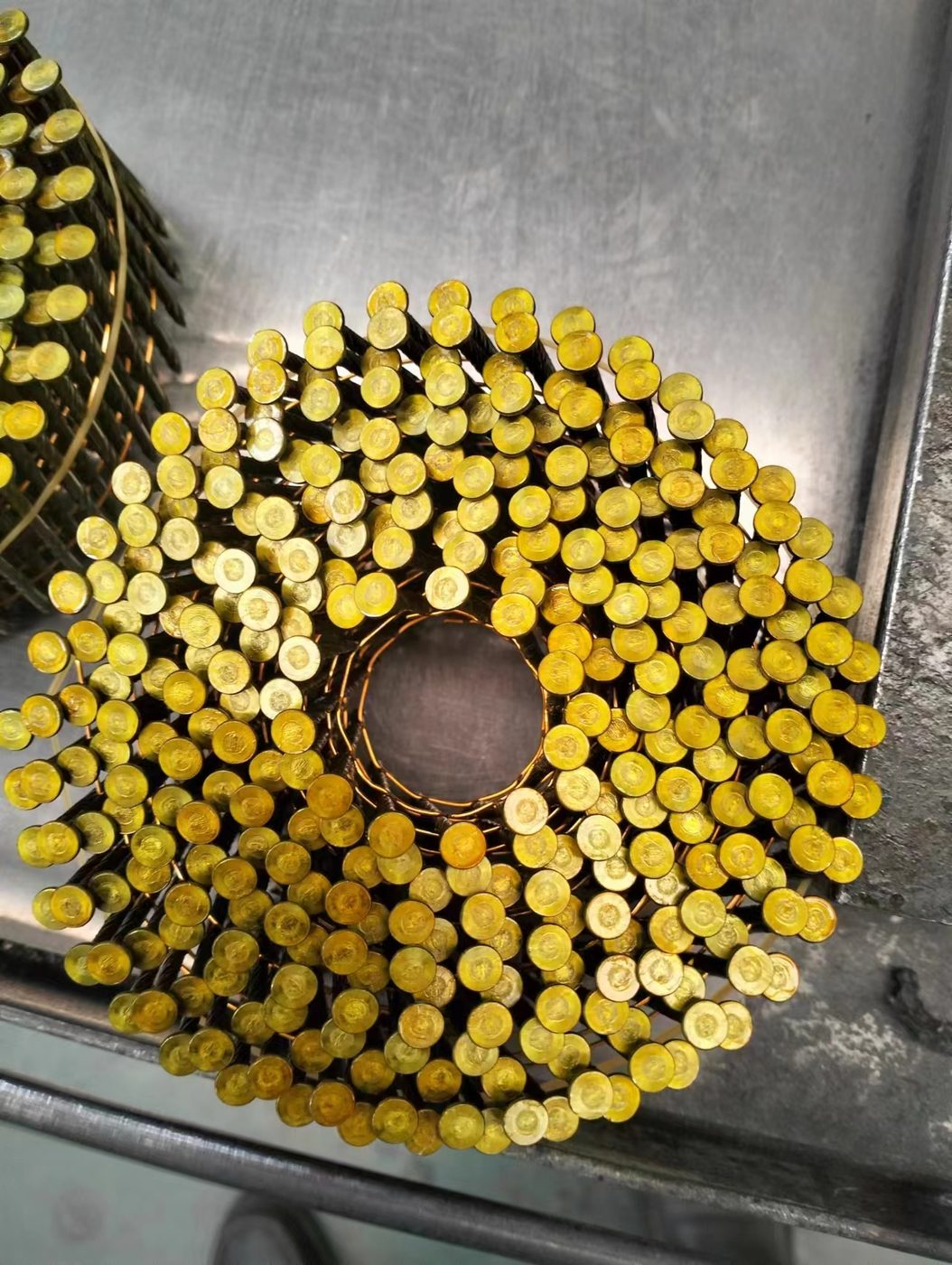
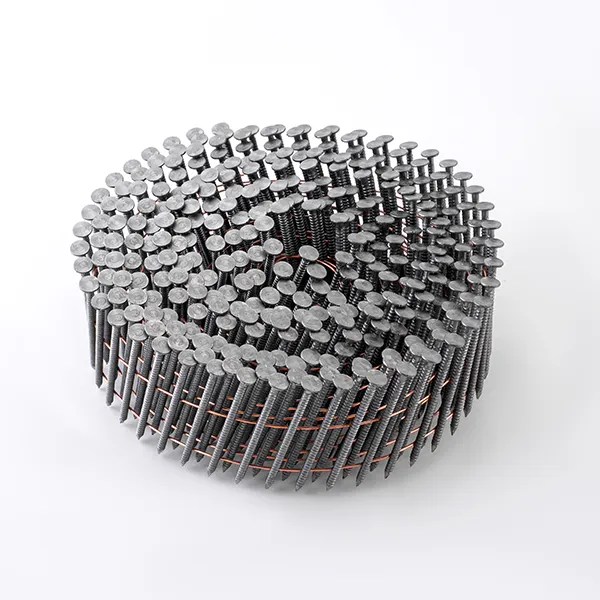
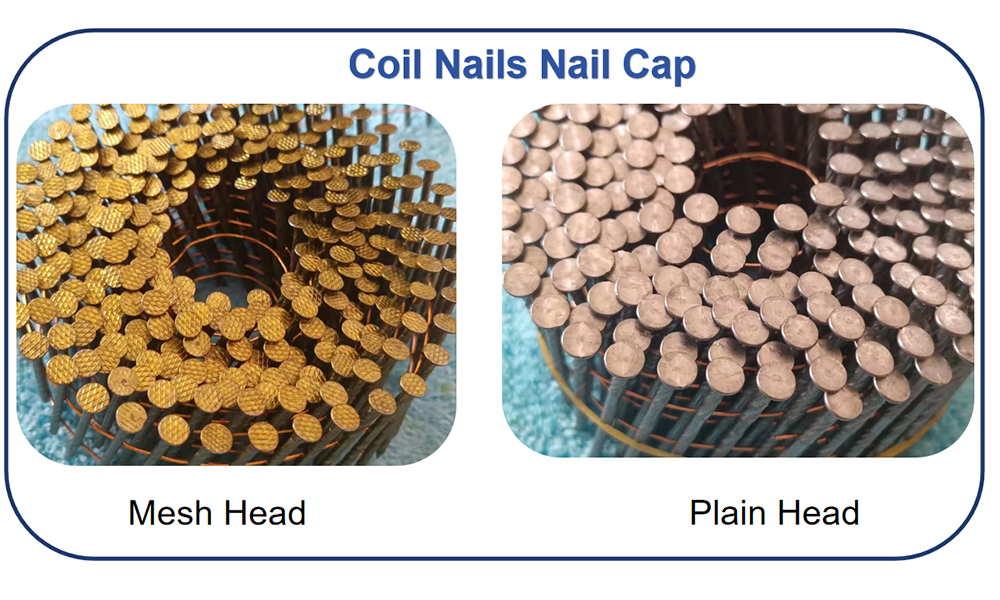
For large subflooring projects, manual work is out of the question. High-volume contractors use Coil Nails because they allow for hundreds of shots before reloading. When choosing a supplier, it is vital to source from Top Coil Nails Manufacturers & Suppliers who offer galvanized options, as the chemicals in pressure-treated wood can corrode standard steel nails. To drive coil nails efficiently into hard slabs, you will need to choose between manual and pneumatic options. We compare these in-depth in Manual vs. Pneumatic Nailing for Concrete.

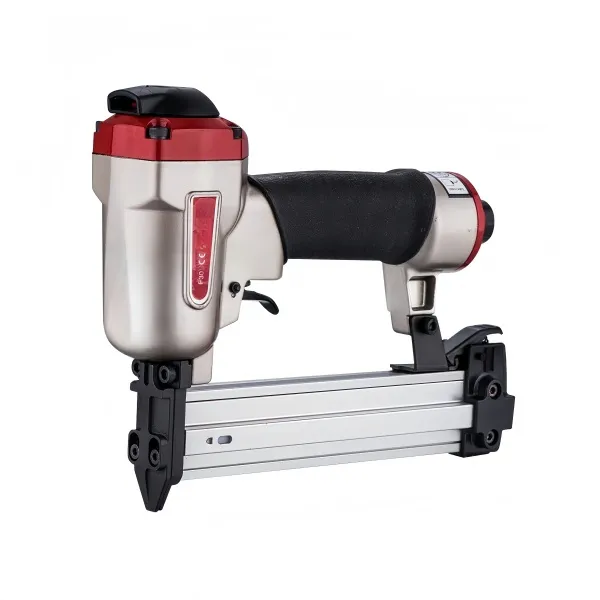
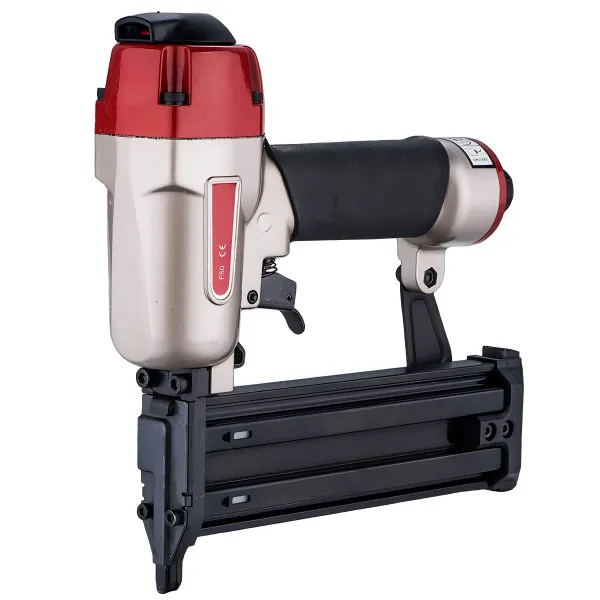
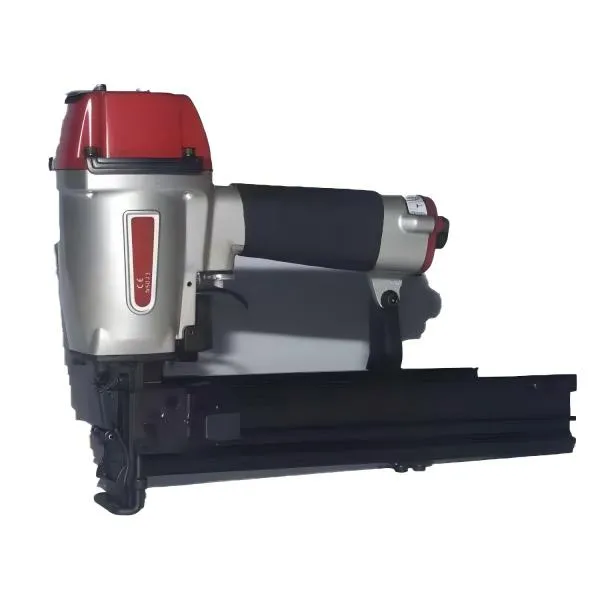
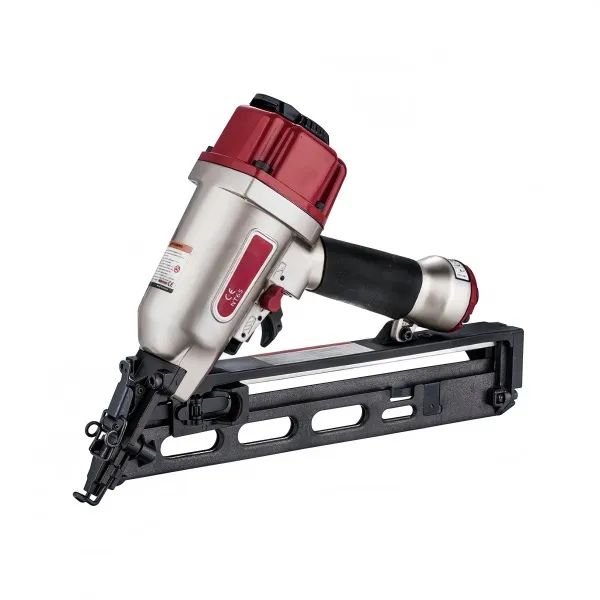
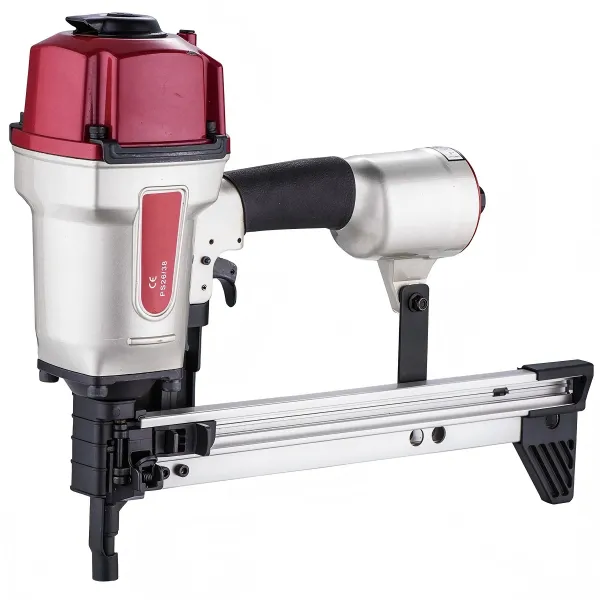
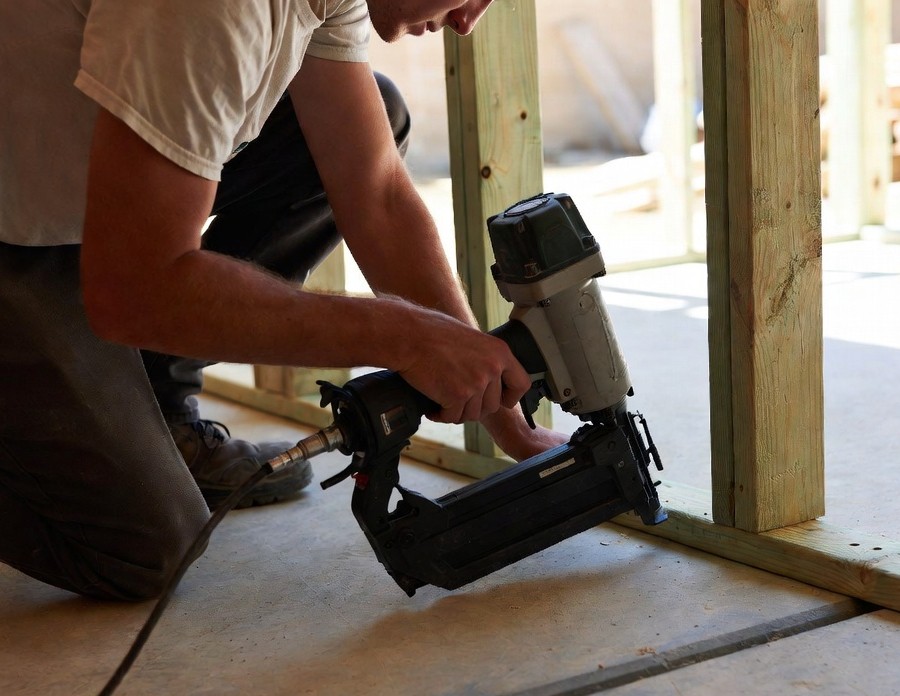
nailing wood to concrete with a pneumatic nail gun
Special Applications: Nailing Carpet Tack Strips to Concrete

Not all wood-to-concrete jobs involve heavy lumber. Installing carpet tack strips requires a more delicate touch. These strips are thin, and using a heavy concrete T-nailer would likely split the wood.

Tools for Delicate Concrete Nailing Tasks

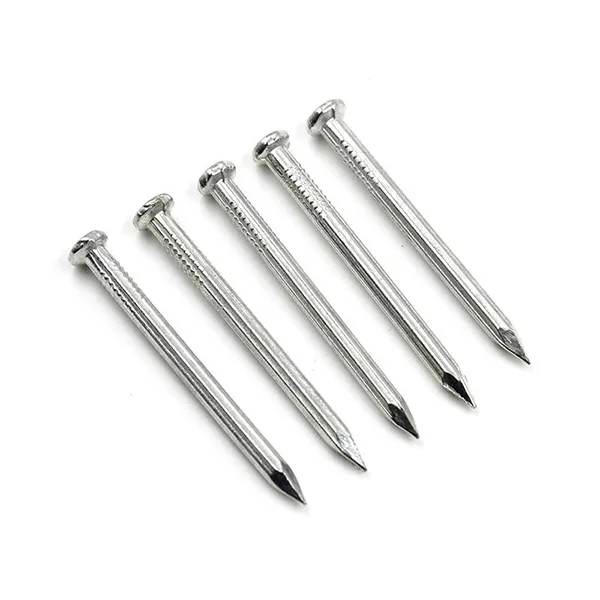
For these applications, professionals use a small masonry hammer and specialized 1/2" to 5/8" concrete nails. The goal is to drive the nail through the pre-drilled holes in the tack strip and into the concrete floor with short, controlled taps.

Material Selection Table: Best Nails for Wood-to-Concrete Connections

To help you choose the right fastener for your specific wood thickness, use the following guide:

Wood Thickness (Nominal)Wood TypeRecommended Nail TypeRecommended Length
1/2" (Furring Strips)Softwood/PlywoodConcrete T-Nail / Masonry Nail1-1/2"
3/4" (Subflooring)OSB / PlywoodCoil Nails (Ring Shank)1-3/4" - 2"
1-1/2" (2x4 Studs)Pressure TreatedConcrete T-Nail (Galvanized)2-1/2" - 3"
1/4" (Tack Strips)Plywood StripHardened Mini Masonry Nail5/8"

Troubleshooting: What to Do When the Nail Won’t Go In

If you find that your nails are bending or the concrete is shattering:

  • Check Concrete Age: Very old concrete (50+ years) becomes extremely hard. You may need to pre-drill a pilot hole or use a powder-actuated tool.

  • Check Aggregate: If the nail hits a large piece of granite aggregate, it will stop. Move the fastener 1 inch in any direction and try again.

  • Check Air Pressure: If using a pneumatic gun, ensure your compressor is maintaining at least 100 PSI at the tool.

Still facing issues with nail penetration? Our Top 10 Questions Answered section covers edge-case scenarios and specialized material challenges.

The Role of Corrosion Resistance (Galvanized vs. Stainless Steel Nails)

When nailing wood to concrete, moisture is your enemy. Concrete is porous and often holds “vapor pressure.” Standard steel nails will eventually rust, leading to “nail sickness” where the wood becomes stained and the fastener loses its grip.

Conclusion

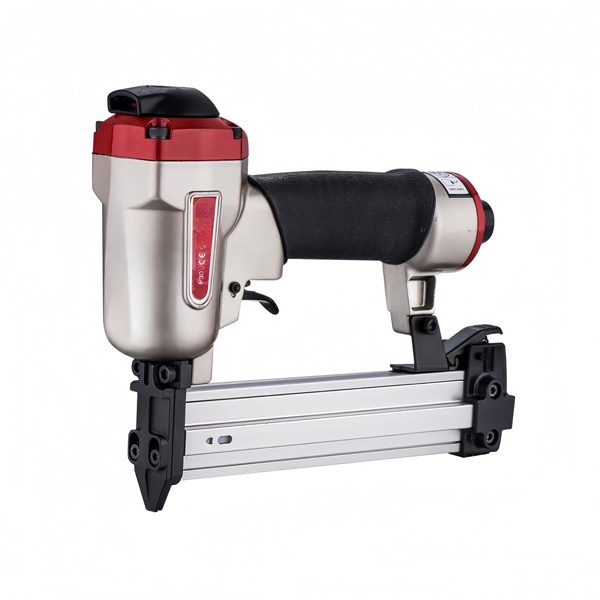
Mastering the connection between wood and concrete is a hallmark of a skilled builder. By utilizing West Yosen’s specialized wood-to-concrete fasteners—including our range of Steel Nails and Pneumatic Nail Guns—you ensure that your structures remain stable for decades. Optimize your building projects by choosing the hardware that professionals trust.