When it comes to fastening into masonry, the debate between traditional methods and modern technology is ongoing. For many contractors and DIYers, the choice between manual hammering and pneumatic nailing often comes down to the scale of the project, the budget, and the required precision. In 2024, as construction timelines tighten, understanding the efficiency of your tools is more critical than ever. At West Yosen, with over 10 years of experience as a leading hardware manufacturer, we have seen how the right tool selection can transform a project’s profitability. This guide explores the mechanics, risks, and rewards of both methods. Before diving into tool selection, ensure you understand the base material by checking our Master Guide to Nailing into Concrete and Cement Walls Safely.
Driving a steel nail into concrete is fundamentally different from driving one into wood. Wood fibers part and then grip the nail; concrete, however, is a non-elastic aggregate. To enter concrete, a fastener must displace the material through sheer force.The mechanics involve overcoming the compressive strength of the concrete (often measured in PSI). A manual strike relies on the mass of the hammer and the velocity of the swing. In contrast, pneumatic tools use compressed air to deliver a consistent, high-velocity impact that penetrates the surface before the surrounding material has time to fracture or “spall.”

The short answer is yes, but with caveats. Success in manual hammering depends entirely on the type of nail and the hardness of the concrete.
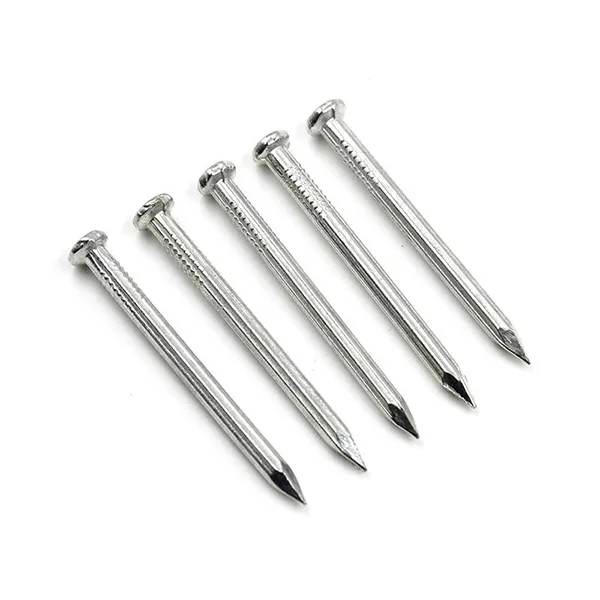
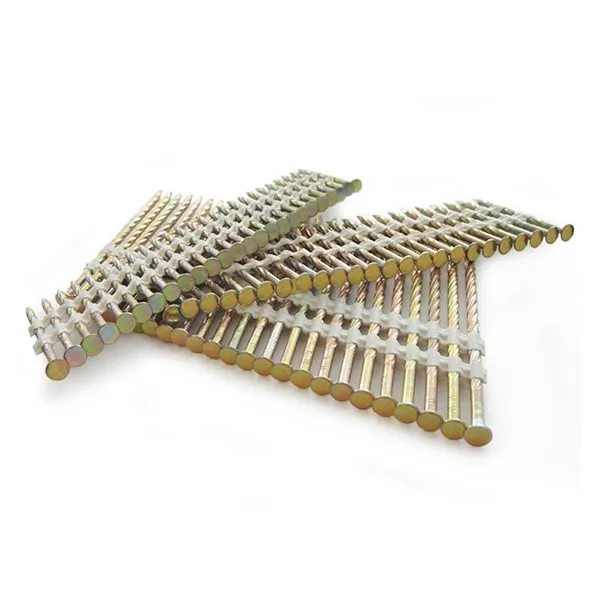
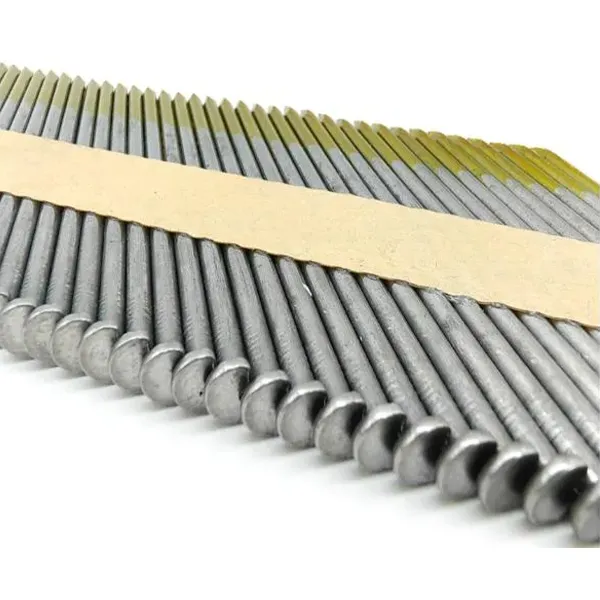
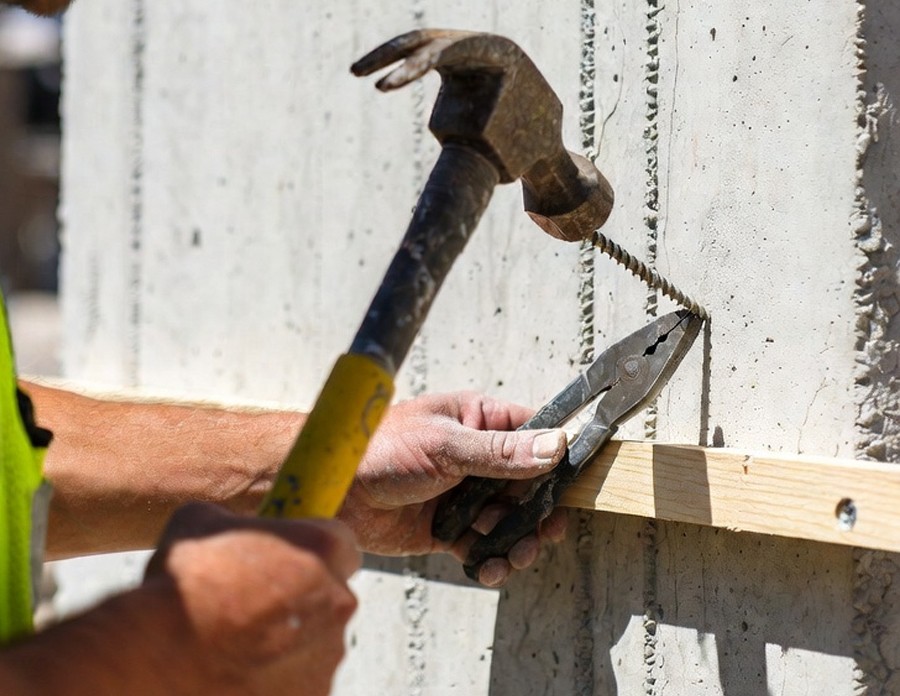
Manual hammering is suitable for small-scale residential tasks, such as hanging a single bracket or securing a piece of trim to a cinder block wall. For these tasks, hardened steel masonry nails are essential. These nails undergo a specific heat-treatment process that increases their carbon content, allowing them to withstand heavy hammer blows without bending.
The primary drawback of the manual approach is inconsistency. A “glancing blow” (hitting the nail at an angle) often causes the nail to fly off or bend. Furthermore, repeated striking creates vibrations that lead to spalling—where the concrete surface chips away in large chunks, leaving an unsightly and weak connection point.
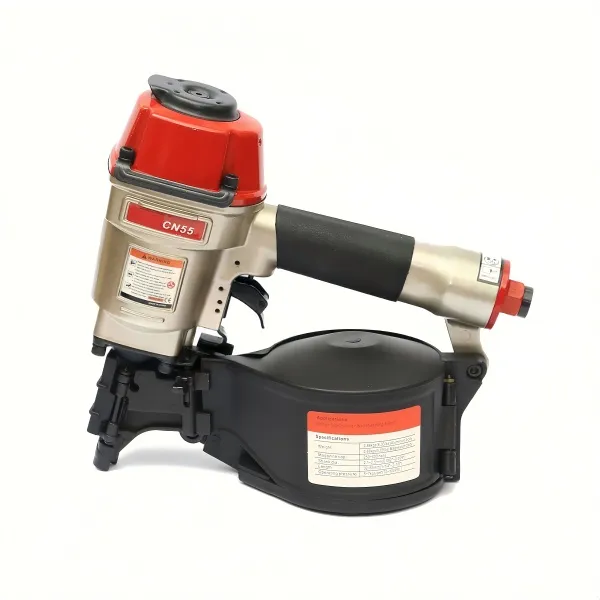
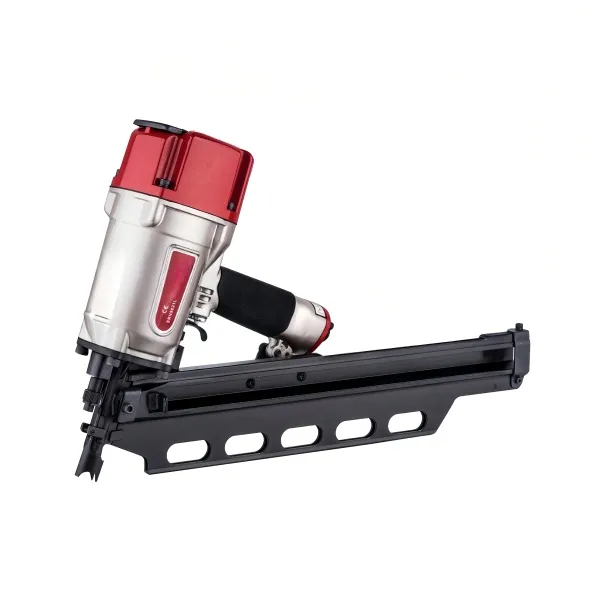
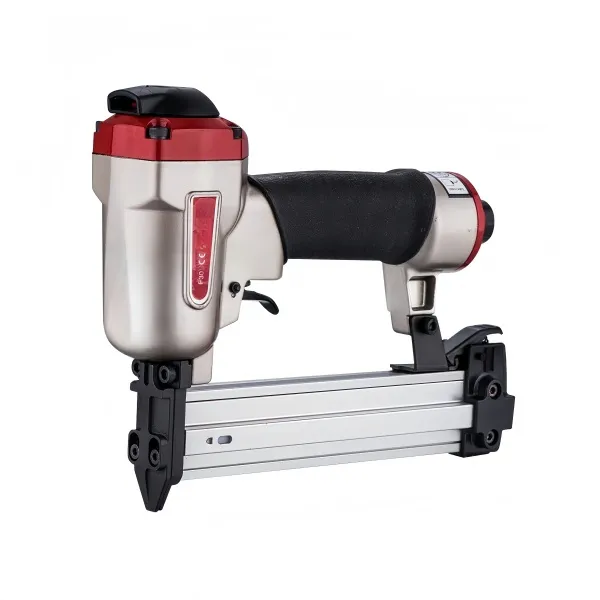
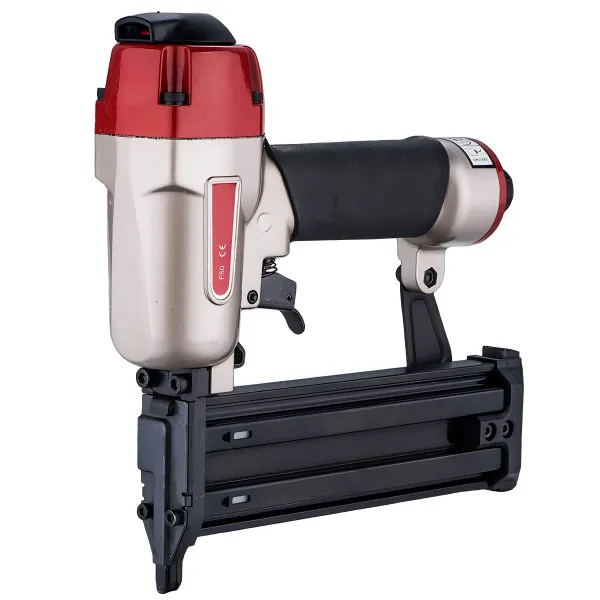
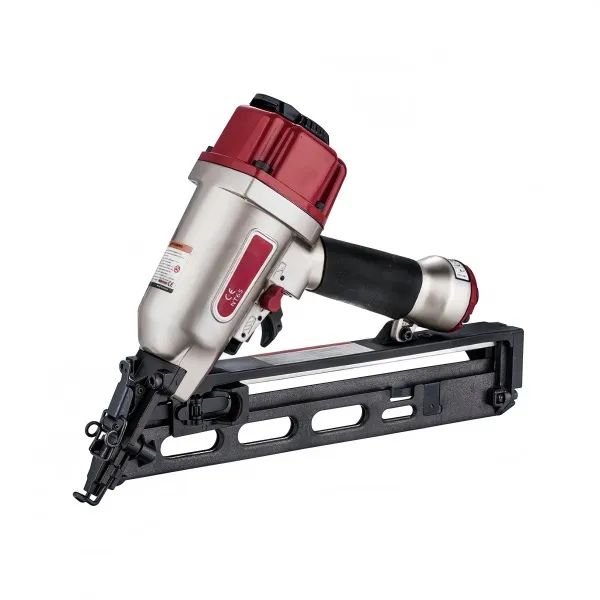
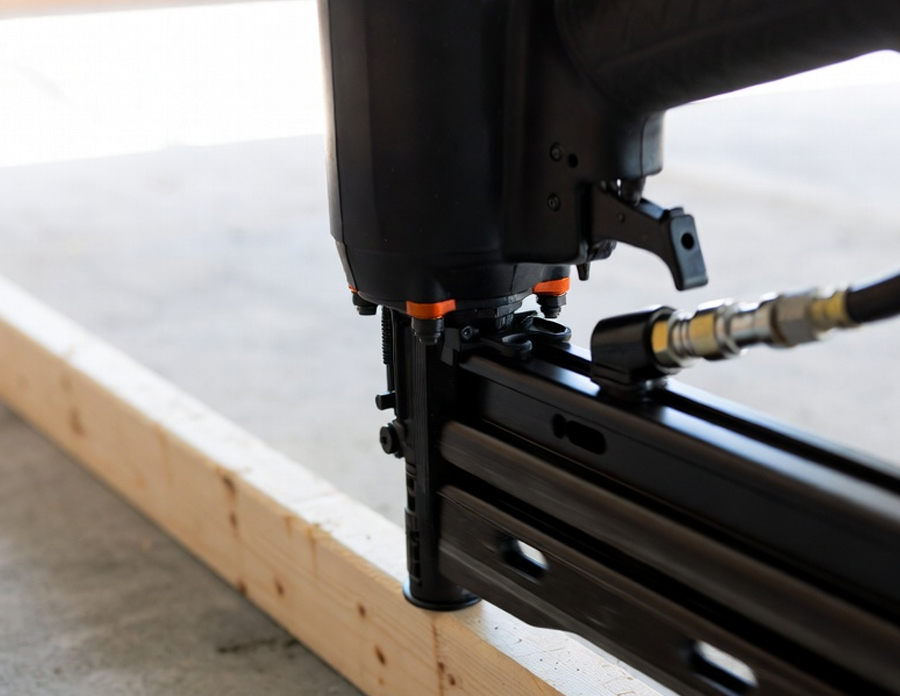
For industrial and commercial applications, pneumatic tools have become the industry standard. These tools offer a level of power and repeatability that manual labor simply cannot match.

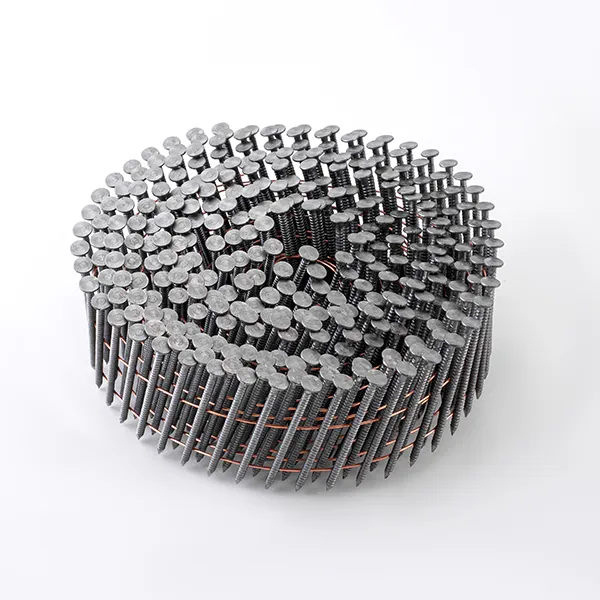
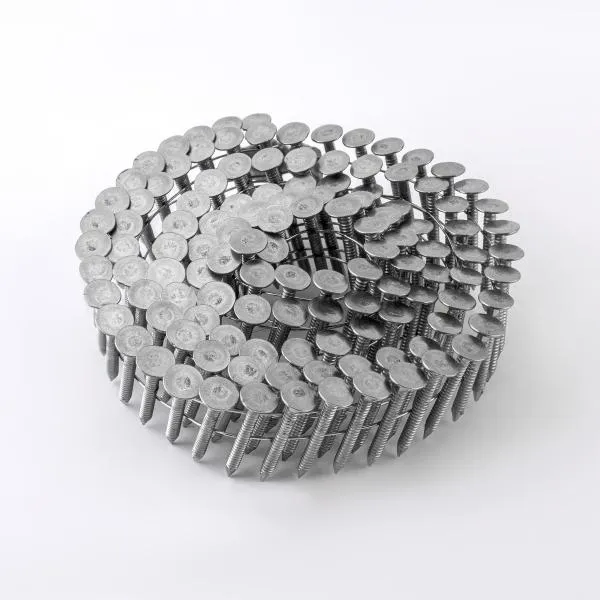
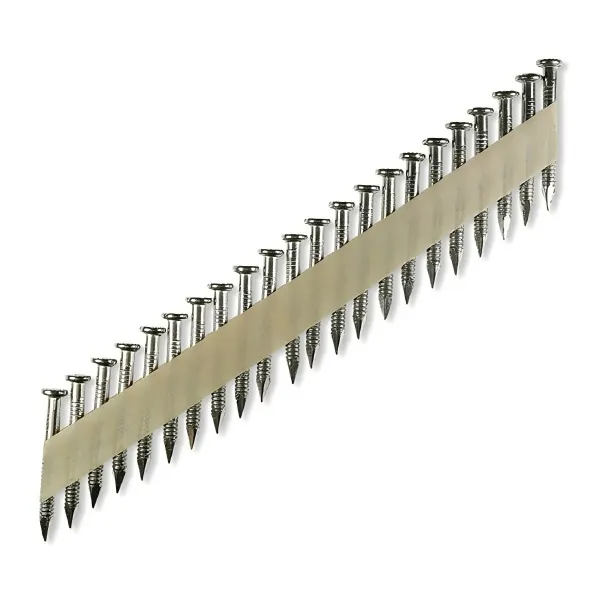
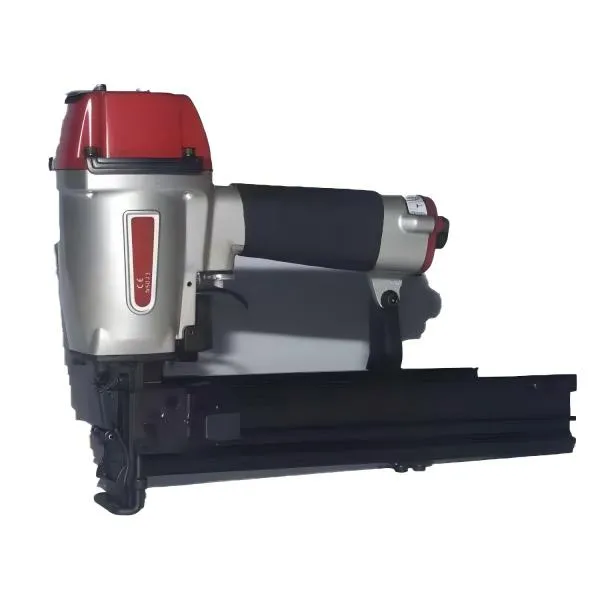
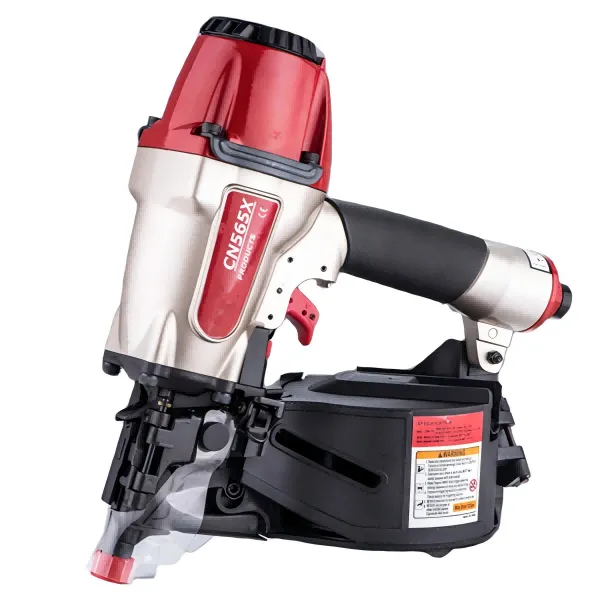
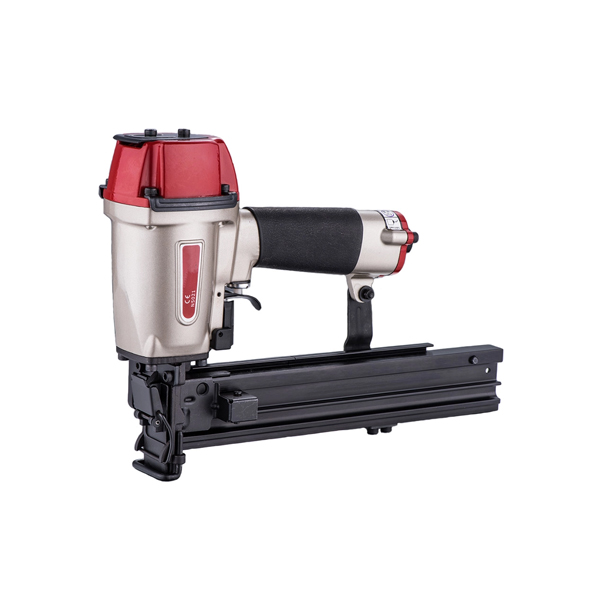
The Concrete T Nailer, such as the West Yosen ST64 Concrete T Nailer, is a specialized tool designed specifically for heavy-duty masonry work. Unlike standard wood nailers, these guns are built with reinforced internal drivers to handle the resistance of cement. If you are looking to invest in professional-grade equipment, exploring Leading Pneumatic Nail Gun Manufacturers & Suppliers Worldwide can help you identify the technical specs required for your specific market.
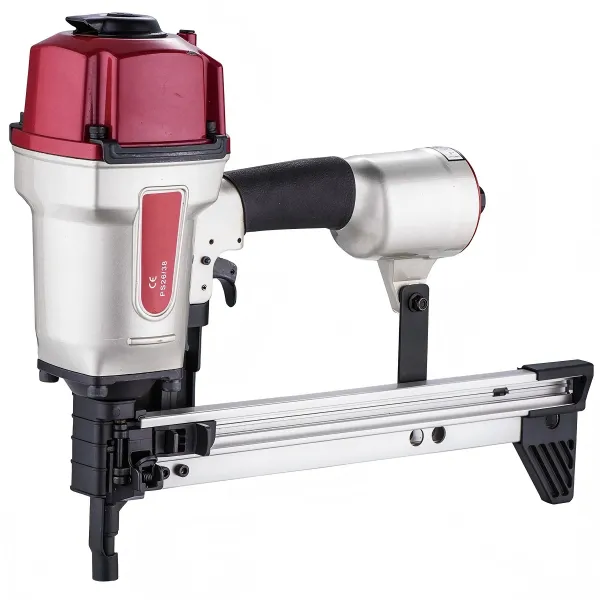
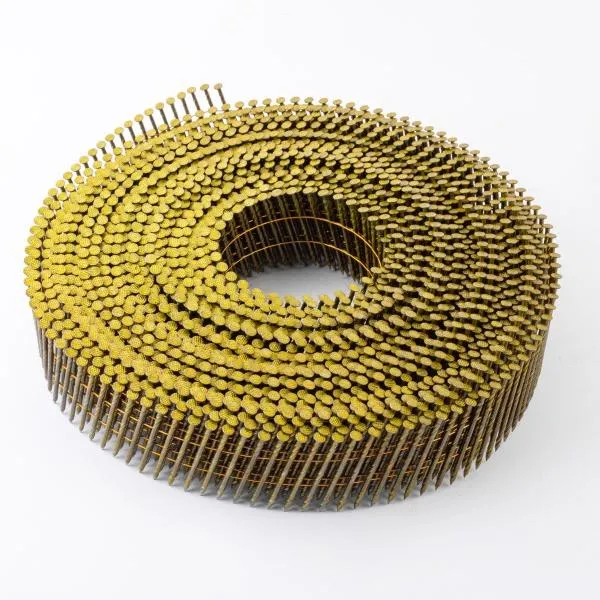
A pneumatic nailer drives a fastener in a fraction of a second. This rapid entry prevents the concrete from cracking. Moreover, for a worker installing hundreds of fasteners a day, the reduction in physical strain is immense, directly leading to better safety outcomes and higher work quality. Pneumatic systems are especially effective for heavy-duty applications like subflooring. Learn more about the specific fasteners used in these systems in our guide on How to Nail Wood to Concrete.
To help you decide which method fits your business model, consider the following performance comparison based on standard construction site data:
| Metric | Manual Hammering | Pneumatic Nailing (ST64) |
|---|---|---|
| Installation Speed | 1 nail per 15-30 seconds | 1 nail per 1 second |
| Success Rate (No Bending) | 70% - 85% | 98% - 99% |
| Labor Cost per 100 Nails | High (Labor Intensive) | Low (Fast & Efficient) |
| Surface Damage Risk | High (Frequent Spalling) | Low (Clean Penetration) |
| Ideal Project Scale | Small DIY / Repairs | Framing / Subflooring / Industrial |
Regardless of the tool used, selecting the correct nail length is the most common point of failure. A general rule of thumb for concrete is:
Penetration Depth: The nail should penetrate the concrete by at least 3/4" to 1".
Total Length: Calculate the thickness of the material being attached (e.g., a 2x4 stud is 1.5" thick) and add the penetration depth. For a 2x4, you would typically need a 2.5" to 3" concrete T-nail.
For a full specification list of available nail lengths and tensile strengths, refer to our Technical Specifications and FAQ.
Operating at high PSI (90-110 PSI) requires strict safety protocols. Because concrete is brittle, small shards can become projectiles.
Eye Protection: Always use Z87+ rated safety glasses.
Depth Adjustment: Ensure the nail gun is set to the correct depth to prevent “over-driving,” which can shatter the concrete.
Clearance: Never fire a nail gun within 3 inches of a concrete edge.
While manual hammering still has its place in a homeowner’s toolbox, professional efficiency demands pneumatic solutions. West Yosen supports over 150 cooperative clients worldwide by providing the high-durability steel nails and air tools necessary to get the job done right the first time. By choosing quality-engineered fasteners, you protect your reputation and your bottom line.